Ford Maverick Owner Cuts $11,000 Transmission Quote in Half With Rebuild
An independent rebuild reportedly reduced one Ford Maverick owner’s transmission bill from an approximately $11,000 dealer quote to about $5,500. The completed repair preserved the truck’s original transmission rather than replacing the entire assembly, creating a roughly $5,500 difference in an already expensive out-of-warranty case.

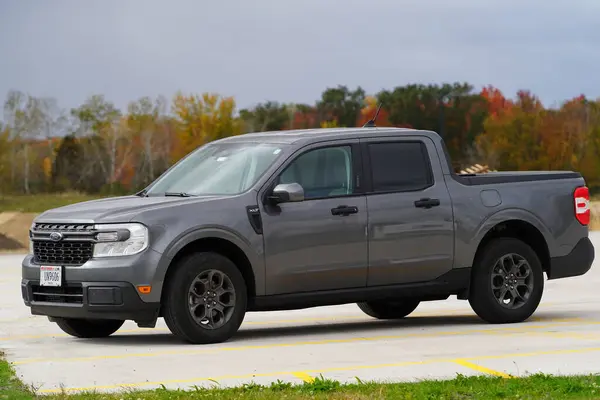
The vehicle was a used 2022 Ford Maverick XLT with all-wheel drive, Ford’s 2.0-liter EcoBoost engine and an 8F35 eight-speed automatic transmission. The owner bought it with 100,000 miles and said the transmission failed at 109,000 miles. This configuration is important because the Maverick Hybrid uses a different transmission and is not implicated in this case.
According to the owner, the Maverick began jerking and hesitating while being driven, then shifted into Park at about 50 mph. He reported no preceding warning lights or fault codes. A subsequent teardown reportedly identified broken internal shift and parking-pawl components, although the truck’s earlier fluid-service record, towing use and broader operating history were unknown.
Why the two repair prices were so different
The Ford dealer reportedly proposed replacing the transmission for roughly $11,000. That type of estimate can combine the replacement assembly with removal and installation labor, transmission fluid, shop supplies and control-module programming. The Maverick’s transverse engine and transmission also occupy a tightly packaged unibody engine bay, making removal a substantial part of the job rather than a minor accessory operation.
Instead, the owner had the truck towed to a Mr. Transmission location. The independent shop rebuilt the original 8F35 for approximately $5,500, cutting the immediate expense roughly in half.
Replacement and rebuilding are materially different repair paths. A replacement installs another complete transmission assembly. A rebuild requires removing and disassembling the existing unit, inspecting its internal components, replacing damaged and worn parts, and reassembling it. The Automatic Transmission Rebuilders Association’s overview of repair options distinguishes a shop rebuild from a factory remanufactured unit and from a limited repair that addresses only a specific component.
The lower price therefore did not come from performing the identical job at a lower hourly rate. The independent shop selected a different technical scope: recover the original housing and serviceable components while replacing the parts judged unsuitable for continued operation. That approach can avoid the cost of a complete replacement assembly, but its suitability depends on teardown findings, parts availability, technician capability and the warranty attached to the finished work.
A second quote needs more than a bottom-line number
Owners comparing estimates should ask each shop to identify whether it is proposing a targeted repair, an in-house rebuild, a factory-remanufactured transmission or a used assembly. The estimate should also state what internal parts, fluids, programming and removal labor are included, along with the warranty’s duration, mileage limit and coverage of labor if another problem develops.
Training and process control matter because modern automatic transmissions combine mechanical assemblies, hydraulics, sensors and electronic controls. ATRA, for example, offers separate training paths for removal, diagnosis and bench rebuilding. Membership or certification is not a guarantee of a particular result, but documented qualifications and a written warranty give an owner more useful information than price alone.
Warranty and recall status should also be checked before authorizing major work. Ford’s factory powertrain warranty is identified as five years or 60,000 miles, placing this 109,000-mile truck beyond the mileage limit. Obtaining the dealer’s diagnosis in writing can help an independent specialist understand what was tested and allow the owner to compare the proposed repair scopes accurately.
One expensive failure, not a fleet-wide conclusion
This case does not establish a widespread problem with the 8F35 or the Maverick. It involves one high-mileage used truck whose first 100,000 miles of maintenance, towing and operating conditions were unavailable. Those missing records prevent a reliable conclusion about why its internal components failed when they did.
Ford’s normal-driving maintenance schedule lists a 150,000-mile transmission-fluid interval, while vehicles exposed to severe operating conditions may have different guidance in the applicable manual. The fact that this transmission failed before that normal-service figure does not resolve the cause, particularly without knowing its previous duty cycle or service history.
What the completed repair demonstrates is narrower but financially significant: a five-figure dealer replacement quote was not the only available response. Once an independent specialist determined that the original unit could be rebuilt, the owner’s cost fell to about $5,500 still a major repair, but approximately half the quoted replacement price.
| More aerospace and engineering stories, right in your MSN feed. Follow AMI on MSN |
By Thomas Caldwell — AMI’s senior editor for mechanical and mobility engineering, covering vehicle electronics, systems integration, electrification, chassis systems, propulsion, and safety policy.