


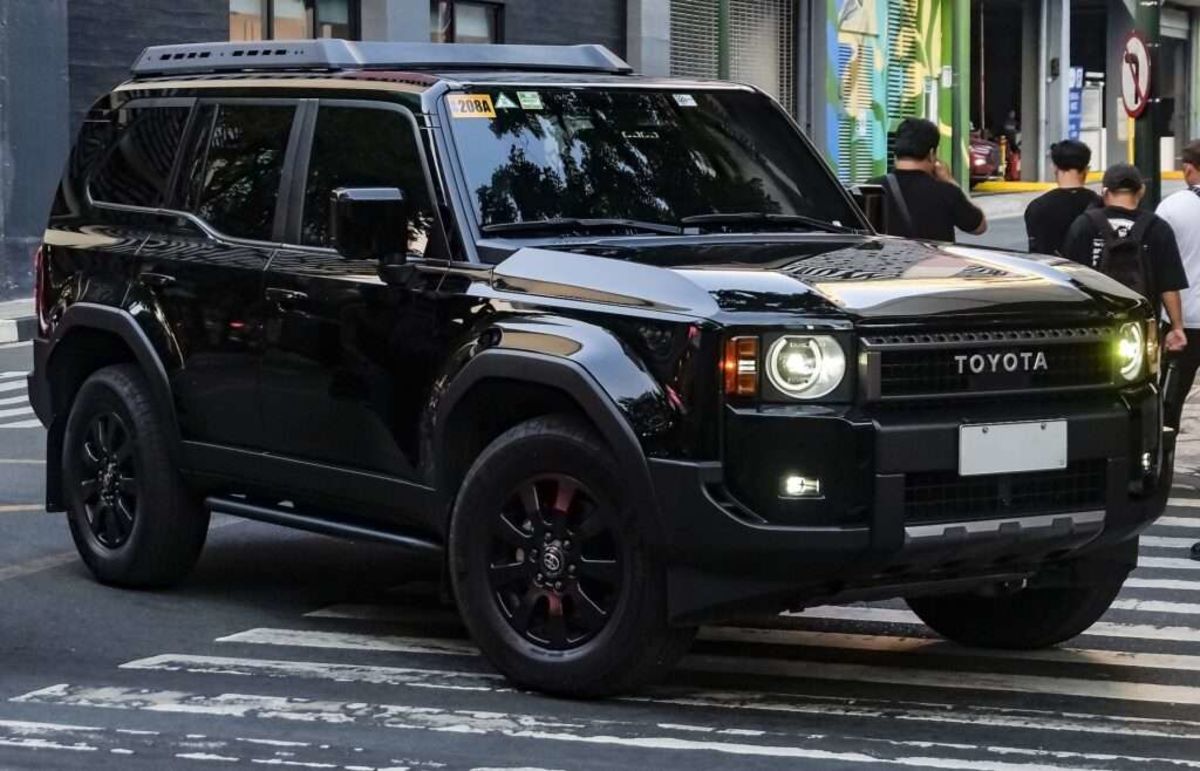
Toyota Recalls 105,794 Land Cruiser Hybrids Over Fuel-Leak Fire Risk
A connection near the fuel tank is designed to join two different sections of the Toyota Land Cruiser Hybrid’s fuel-delivery system. In 105,794 vehicles, however, the connector between a resin tube and a metal tube can lift and separate. Fuel can then escape, the gasoline engine can shut down, and contact between the leaked fuel and an ignition source can increase the risk of fire.
Toyota is recalling affected Land Cruiser Hybrids from the 2024 through 2027 model years. The recall was posted through the National Highway Traffic Safety Administration on Oct. 14 and covers every model year listed in the campaign. NHTSA identifies it as recall 26V673, while Toyota uses campaign numbers 26TB23 and 26TA23.
Why one connection can stop the hybrid engine
The affected assembly carries fuel from the tank toward the engine. Toyota says movement at the connector can break the fuel path where the resin and metal tubes meet. If the joint disconnects, fuel leaks until the engine in the hybrid system shuts off.
That shutdown is an important consequence in a hybrid vehicle. Although the Land Cruiser combines an internal-combustion engine with an electric drive component, Toyota specifically identifies an engine shutdown following a leak. The recall information does not characterize the vehicle’s subsequent driving capability, so owners should not assume the hybrid system can provide normal propulsion after the engine stops.
The defect is specific to the connection identified in this campaign. It does not indicate that resin fuel tubes as a broad category are inherently defective. The federal framework for motor-vehicle fuel-system integrity focuses on keeping fuel contained because leakage adds both fire risk and an immediate operational problem.
Toyota investigated reports with vehicle and bench testing
Toyota began receiving field reports of fuel leaks in mid-July 2024. Its investigation included inspections of at least 600 vehicles along with vibration and pressure testing. By early October 2026, the company had identified 23 U.S. Field Technical Reports and 64 U.S. warranty claims that may be associated with the condition.
Those figures describe reports and claims potentially connected to the problem, not a confirmed failure rate across the recalled population. Toyota declined to comment when asked on Oct. 21 whether any injuries had occurred in connection with the recall.
The affected total breaks down to 25,041 Land Cruiser Hybrids from model year 2024, 41,955 from 2025, 21,274 from 2026 and 17,524 from 2027. Together, those groups account for all 105,794 vehicles in the campaign.
The repair adds a mechanical backup
Dealers will inspect the fuel-tube connection and install a supplemental clamp intended to keep the joint from disconnecting. If inspection shows that replacement is required, the dealer will replace the resin fuel tube before fitting the clamp. The repair is provided without charge to owners.
The remedy addresses the physical separation risk directly rather than relying on a warning or software response. Inspection determines whether the existing tube can remain in service, while the added clamp reinforces the connection against the movement Toyota identified. Replacing the tube when necessary also prevents the clamp from being treated as a substitute for a component that does not pass inspection.
Toyota plans to notify affected drivers between Nov. 29 and Dec. 13. That leaves owners with two identifiers to use when checking the campaign or arranging service: NHTSA recall 26V673 and Toyota campaign 26TB23/26TA23. The next practical milestone is the start of owner notifications, followed by dealer inspections of a small connection carrying consequences for fuel containment, engine operation and fire safety.
| More aerospace and engineering stories, right in your MSN feed. Follow AMI on MSN |
By Thomas Caldwell — AMI’s senior editor for mechanical and mobility engineering, covering vehicle electronics, systems integration, electrification, chassis systems, propulsion, and safety policy.



