


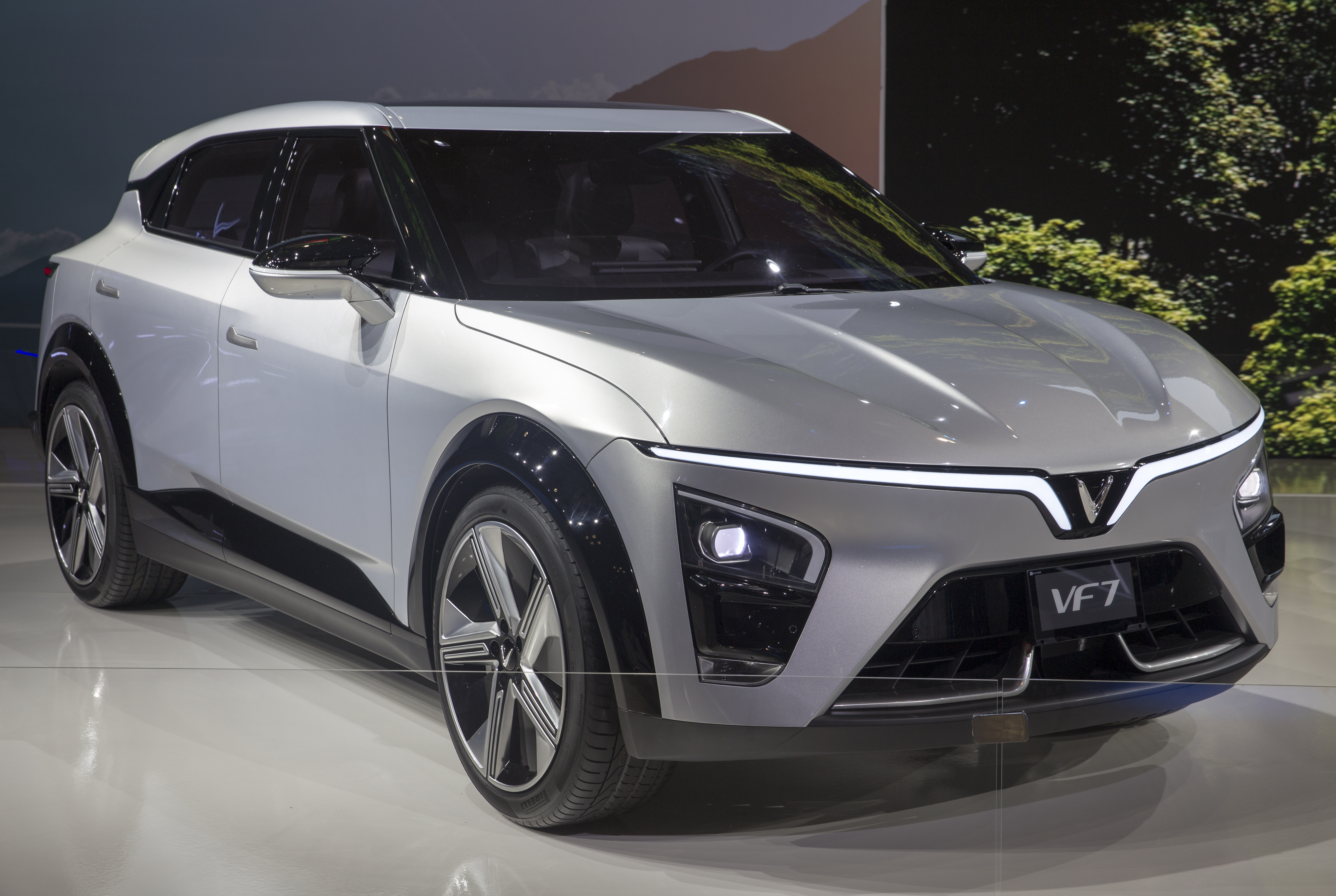
VinFast Philippine Sales Rise From 115 to 5,417 Amid Service Complaints
VinFast’s rapid growth in the Philippines is colliding with a basic test for any expanding electric-vehicle business: keeping customers able to charge and use their cars. The company sold 5,417 vehicles during the first nine months of 2026, up 4,610% from 115 in the corresponding period last year, while some owners reported charging restrictions, failed equipment and delays in after-sales support.

The complaints are individual accounts involving different systems, so they do not establish a fleet-wide defect rate. They do, however, illustrate how an electric car can become difficult or impossible to use when billing records, charging authorization, home hardware or service logistics break down even if its propulsion battery and drivetrain remain functional.
A VF 7 owner using the Facebook name Aspen Kurtis claimed that a battery-subscription problem prevented the vehicle from charging for at least a week despite timely payments and repeated dealership follow-ups. VinFast Philippines had not responded to a request for comment when the earlier account was published. A separate, secondhand Reddit account alleged that a delay in recording a subscription payment produced charging and speed restrictions, while acknowledging that the issue might have been resolved.
Those accounts point to the operational dependency built into a payment-linked battery model. VinFast’s Philippine subscription policy covers battery maintenance and repairs, along with replacement when capacity falls below 70%. Separating the battery from the vehicle transaction can shift degradation and maintenance risk from the driver to the provider, but it also makes accurate account processing and dependable authorization part of the vehicle’s practical operating chain.
That distinction separates an access-control problem from a physical failure. A billing or account issue can restrict charging without demonstrating that the battery is defective. Conversely, functioning subscription records cannot compensate for failed charging hardware. VF 3 owner Jun Auza said his supplied home charger stopped working after four uses; he reported receiving a replacement after 10 days. For an owner without a convenient alternative charger, that replacement interval can translate directly into reduced vehicle availability.
Another owner, Jose Miguel Dy Jr., is seeking replacement of a VinFast Limo Green under the Philippine Lemon Law after reporting stalling, air-conditioning trouble and a faulty door-locking mechanism. The law covers qualifying new vehicles during the first 12 months after delivery or 20,000 kilometers, whichever comes first. It provides a process for unresolved nonconformities, including repair attempts, written notice and potential proceedings before the Department of Trade and Industry. Dy’s request remains an individual claim rather than a finding that the model has a common defect.
The scale of VinFast’s expansion makes service capacity consequential. The company accounted for 34% of the 16,006 battery-electric vehicles reported sold by participating industry groups from January through September. Tesla recorded 3,460 units, while Omoda and Jaecoo recorded a combined 2,443. VinFast also sold 865 vehicles in September, 15.5% more than August’s 749, and ranked ninth overall in the September report from the Chamber of Automotive Manufacturers of the Philippines and the Truck Manufacturers Association.
VinFast’s share of total nine-month vehicle sales rose from 0.03% to 1.76%. Those figures do not distinguish fleet purchases from individual retail transactions, an important limitation when estimating how many separate owners may eventually require charging support, parts or workshop appointments. Fleet sales can concentrate demand in fewer accounts, but fleets can also impose intensive utilization and uptime requirements.
The broader Philippine charging network is expanding alongside vehicle adoption. As of August, the country had 1,876 registered EV charging stations and 949 recognized EV models, according to figures attributed to the Department of Energy. Public-station growth provides alternatives, but it does not eliminate the importance of reliable home equipment, compatible access and prompt customer support.
VinFast has pledged to expand its Philippine charging and service networks through local partners. Its sales rise means that expansion now has to support a much larger installed base: 5,417 reported vehicles in nine months, compared with just 115 a year earlier. The next measure of progress will be whether charging access, replacement hardware and workshop response can scale at a comparable pace.
| More aerospace and engineering stories, right in your MSN feed. Follow AMI on MSN |
By Thomas Caldwell — AMI’s senior editor for mechanical and mobility engineering, covering vehicle electronics, systems integration, electrification, chassis systems, propulsion, and safety policy.




