Lockheed, Pentagon Set 850-Jet F-35 Framework, but No Firm Order
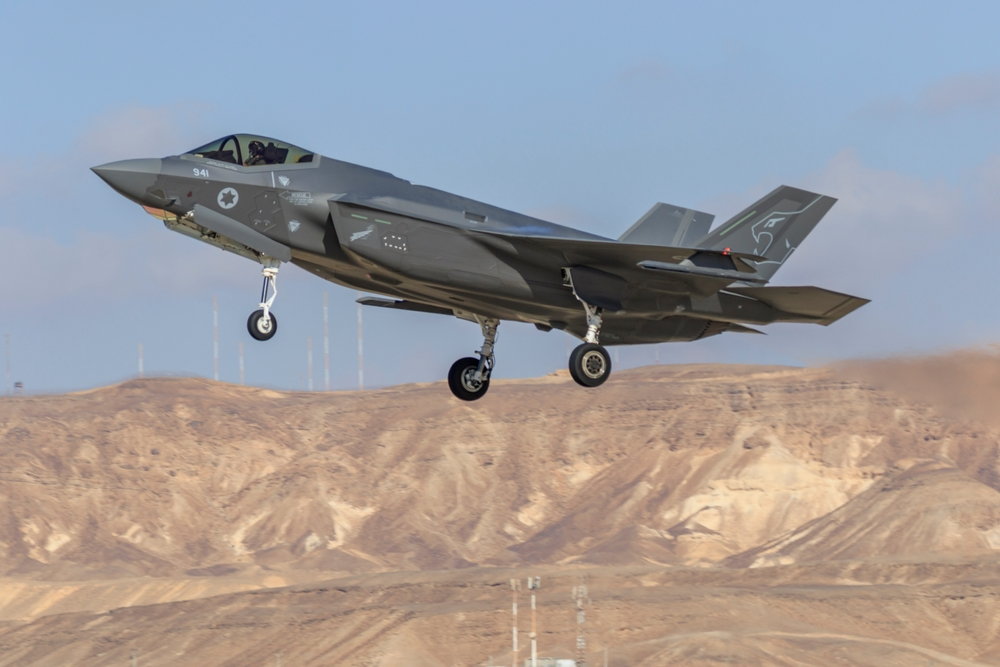
An 850-aircraft commitment would rank as an immense procurement decision. What Lockheed Martin and the Pentagon have established, however, is a conditional 10-year framework not a firm order with binding prices and delivery dates. The proposed arrangement announced October 22 covers 850 U.S. F-35 fighters, associated support items and additional international demand, but it still requires multiyear authority, appropriations, negotiations and a formal contract award.

If that authority is granted, the F-35 Joint Program Office and Lockheed would finalize contract terms, prices and schedules. Until then, the headline number describes the intended scope of a future contracting structure rather than 850 aircraft the government has irrevocably purchased.
The framework spans production Lots 21 through 30 and includes initial spare parts, 10 years of modification kits and sustainment, and orders from international customers. Lockheed says it is designed around continued output of 156 aircraft per year. That annual rate is larger than the average represented by 850 U.S. aircraft over a decade because the production system also serves foreign customers.
What a decade of visibility could change
Aircraft production depends on a supplier network making long-lead components, hiring specialized workers and reserving manufacturing capacity well before final assembly. Annual contracting can make those decisions harder because demand beyond the next budget cycle is less certain. A multiyear structure gives suppliers a longer planning horizon and can support larger material purchases, steadier staffing and investment in tooling.
That is the framework’s strongest industrial argument. Holding production near 156 aircraft annually would provide a clearer demand signal from raw-material suppliers through companies delivering finished parts. Pairing aircraft with spares and modification kits could also align new production with the support hardware needed after delivery, rather than treating those requirements as disconnected purchases.
Predictability is not the same as guaranteed performance. A long planning horizon may help reduce supply-chain friction, but it cannot by itself establish that every supplier will meet its schedule or that negotiated prices will deliver the savings being forecast. The final contract terms will determine how risks, incentives and cancellation exposure are divided between the government and industry.
For taxpayers, the missing price is the central limitation. Lockheed expects volume discounts and long-term supplier agreements to save billions of dollars over the F-35’s lifecycle, but no binding aircraft prices have been published for this framework. Without finalized quantities by year, schedules and contract terms, the government’s eventual financial commitment cannot be calculated from the 850-aircraft figure alone.
The scale of the wider program raises the stakes. A 2024 Government Accountability Office assessment found that the Pentagon estimated F-35 development, modernization, operation and sustainment for 2,470 planned aircraft through 2088 would exceed $2 trillion. That lifecycle estimate covers much more than buying new jets, but it shows why savings claims must be evaluated across production and long-term support rather than through an aircraft count alone.
Stability comes with reduced flexibility
Multiyear procurement can lower costs by allowing economic ordering and reducing the inefficiency of repeatedly negotiating annual purchases. It also asks the government to make longer-range commitments in a program where budgets, international orders, modernization requirements and operating costs can change. Greater certainty for suppliers therefore comes at the price of less freedom to adjust purchases without financial or industrial consequences.
The affected groups face different sides of that tradeoff. Suppliers and workers gain better visibility into future demand. Military services and international customers could benefit from a more stable production line and coordinated access to spares. Taxpayers could receive lower prices if negotiated discounts exceed the costs and risks of making a longer commitment. None of those outcomes is secured by the framework itself.
Lockheed estimates the arrangement would support 317,000 U.S. jobs and generate nearly $79 billion in annual economic activity over the next decade. Those are company projections, not independently established results, and they depend on the framework advancing into funded contracts and sustained production.
The next consequential step is multiyear authority and associated appropriations, followed by negotiations over pricing and schedules and a formal award. Only then will the 850-aircraft framework become a priced procurement commitment and only then will taxpayers and customers be able to measure what production stability actually costs.
| More aerospace and engineering stories, right in your MSN feed. Follow AMI on MSN |
By David Whitaker — Associate editor for AMI’s aerospace and drone systems desk, translating flight systems, aircraft programs, spaceflight, and UAV developments into accessible technical stories.