


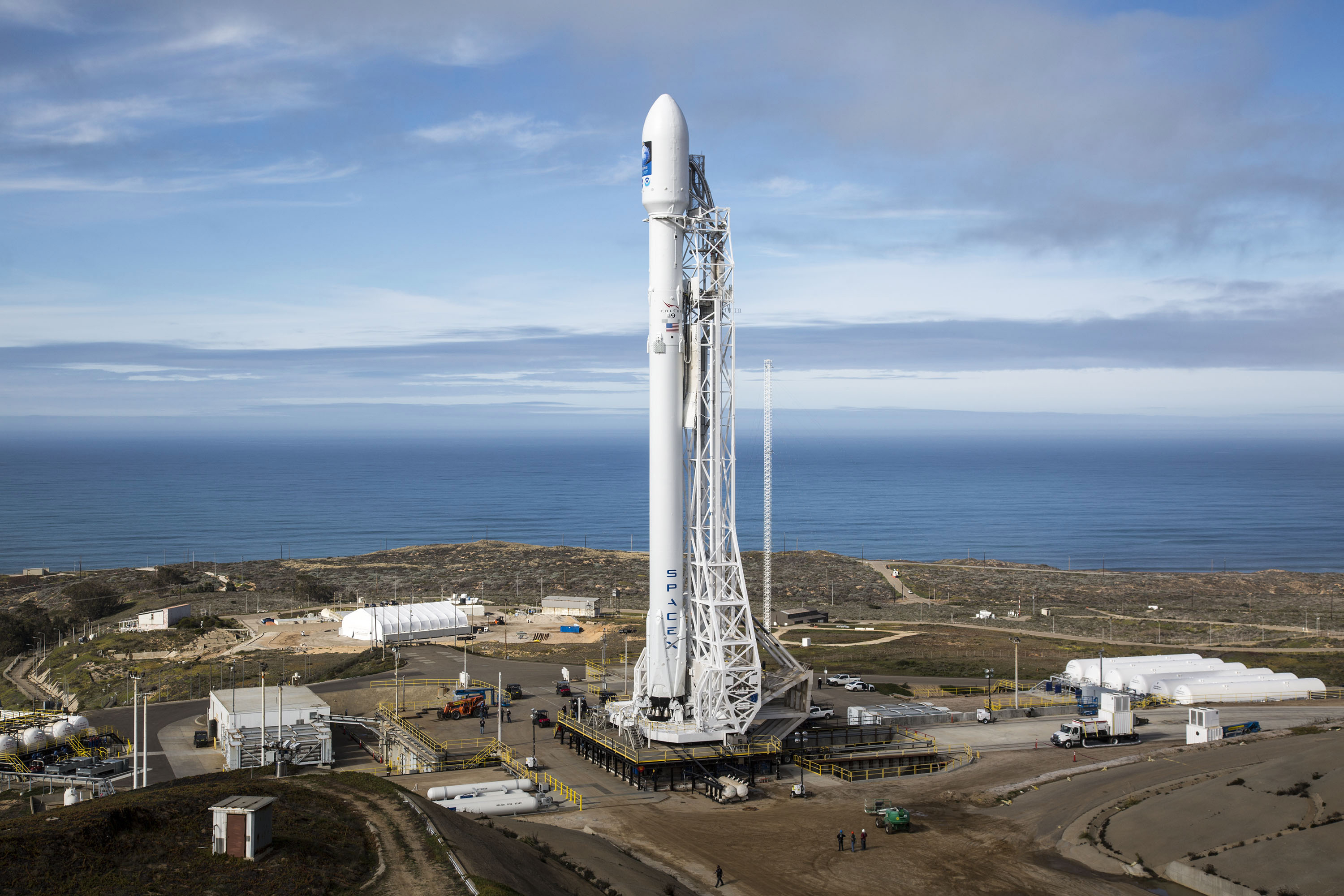
SpaceX Reportedly Closes Falcon 9 Reservations, Narrowing Satellite Launch Choices
Prospective satellite operators reportedly can no longer place new commercial reservations for SpaceX’s Falcon 9, potentially removing a familiar launch option from future mission planning. Officials from about six companies separately described being unable to make new bookings. SpaceX has not publicly confirmed the restriction, explained its reach or connected it to a transition toward Starship.

The immediate consequence is narrower than a Falcon 9 shutdown but still significant for customers without contracts. Missions already booked are not reported canceled, and the restriction has not been shown to cover government launches, SpaceX’s internal missions or every category of commercial payload. The identities of the affected companies, when they sought launches and whether SpaceX offered exceptions also remain undisclosed.
A closed order book creates work long before launch
Launch procurement is tied into the spacecraft’s broader engineering schedule. Satellite operators must coordinate manufacturing, environmental testing, payload integration, insurance, regulatory approvals and the intended orbit with an available rocket and launch window. A company unable to reserve Falcon 9 may need to approach another provider, delay its spacecraft or reconsider mission design and timing.
How much disruption follows depends on details that remain unavailable. SpaceX could have stopped accepting all new commercial Falcon 9 missions, limited particular mission types or simply closed booking periods already filled by existing commitments. Payload mass, destination and schedule will determine whether another rocket is a practical substitute for each customer.
Closing reservations would therefore be a capacity decision rather than proof of retirement. Falcon hardware, launch sites and mission-assurance organizations remain tied to contracted work. Space Systems Command projected seven to nine annual Falcon missions on the National Security Space Launch manifest during 2025 and into 2026, according to its account of Falcon launch operations.
The military’s support model also shows why an established launch service cannot be replaced by changing a sales policy. Space Force teams adapted their reviews to reusable boosters and high flight rates, concentrating more attention on refurbishment, maintenance integrity and launch-pad modifications. Those procedures, along with range schedules and payload-integration work, support missions already moving through the pipeline.
Florida’s launch-site changes point toward transition, not replacement
SpaceX has shifted Florida Falcon 9 missions to Cape Canaveral’s Space Launch Complex 40 while reserving Kennedy Space Center’s Launch Complex 39A for Falcon Heavy launches this year. At the same time, it has continued Starship construction and operational testing at nearby facilities. That allocation shows physical preparation for the newer system while preserving dedicated infrastructure for the Falcon family.
Starship, however, is not yet a confirmed commercial substitute for customers reportedly blocked from Falcon 9 bookings. A cited Starship test plan still called for controlled ocean splashdowns of both stages rather than their recovery and reuse, illustrating the distance between testing a launch system and offering repeatable commercial service on established contractual terms.
Regulatory work is also unfinished at one proposed Florida site. Under the Federal Aviation Administration’s Space Launch Complex 37 review, the Air Force environmental decision permits specified construction, prelaunch activity, and a potential operating envelope of up to 76 launches and 152 landings annually, but SpaceX still needs an FAA license modification before conducting commercial Starship operations at SLC-37.
Those upper limits are planning boundaries, not a promised launch rate or evidence that Starship can absorb Falcon 9 customers on a particular date. The FAA review includes public safety, environmental effects, insurance and national-security or foreign-policy considerations. Hardware progress, licensing, payload integration and schedule reliability must all converge before customers can treat Starship as an interchangeable booking option.
The reported reservation cutoff leaves three facts especially important: how far the existing Falcon 9 manifest extends, whether any commercial mission categories remain open and when Starship will be offered as a dependable service rather than a developmental program. Until SpaceX defines those boundaries, prospective customers face a concrete procurement constraint without a confirmed replacement timetable.
| More aerospace and engineering stories, right in your MSN feed. Follow AMI on MSN |
By David Whitaker — Associate editor for AMI’s aerospace and drone systems desk, translating flight systems, aircraft programs, spaceflight, and UAV developments into accessible technical stories.




