2026 Tesla Model Y Scores 8.2, but Touchscreen Compromises Remain
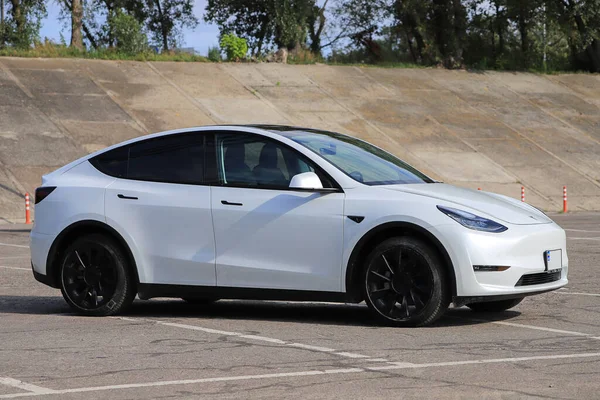
The refreshed 2026 Tesla Model Y addresses two of the vehicle’s most consequential refinement weaknesses: ride comfort and cabin noise. In Edmunds testing, the $41,380 electric SUV earned 8.2 out of 10 after suspension and cabin changes produced a smoother, quieter experience. Yet the design still concentrates most controls on the central touchscreen, while its optional third row remains a constrained solution for families.

That 8.2 rating ties the Model Y with the 2027 Rivian R2 for second place among 16 small electric SUVs evaluated by Edmunds. The Hyundai Ioniq 5 leads the cited group by one-tenth of a point at 8.3. Edmunds automotive expert Jonathan Elfalan drove, tested and rated the Tesla.
Comfort improves without sacrificing performance
The refresh includes redesigned front and rear styling, a more comfortable suspension, additional cabin refinement and a new touchscreen for rear passengers. Edmunds gave the Model Y 8.0 for comfort and 8.5 for its driving experience, indicating that the softer, quieter vehicle retains the responsive performance expected from the model.
The tested Long Range All-Wheel Drive Launch Series accelerated from zero to 60 mph in 4.2 seconds. That fully loaded version costs just over $60,000, considerably more than the listed starting price, but it demonstrates that the comfort-oriented changes have not required a substantial performance tradeoff.
Range results were similarly direct. Equipped with 19-inch wheels, the tested vehicle carried an EPA estimate of 327 miles and traveled exactly 327 miles in the Edmunds EV Range Test. Measured energy consumption was 26.8 kilowatt-hours per 100 miles.
Charging performance adds another practical dimension. The Model Y supports a peak charging rate of 250 kilowatts, and Tesla estimates that the all-wheel-drive version can recover 169 miles under optimal conditions in 15 minutes. In Edmunds’ test, it added 100 miles in just under 15 minutes on average. The latter figure is the more useful planning reference because it describes an independently measured average rather than an optimal peak scenario.
The control layout remains a human-factors tradeoff
Most vehicle functions continue to depend on the central touchscreen, and neither Apple CarPlay nor Android Auto is offered. The small rear window also restricts direct visibility, although camera-based assistance helps compensate. These choices contributed to a lower in-cabin technology score of 7.6.
Touchscreen concentration is becoming a more prominent human-factors issue across the industry. Under its 2026 protocols, Euro NCAP rewards direct physical controls for essential functions, including indicators, windshield wipers, hazard lights, the horn and the emergency-call button. Its position is that well-placed physical inputs can reduce distraction compared with functions hidden in menus. The Model Y’s interface therefore remains a meaningful design compromise even as its ride and cabin improve.
Strong cargo capacity, limited third-row utility
Storage is one of the Tesla’s clearest strengths. Edmunds awarded it 9.4 for storage and cargo. Total capacity is 33.1 cubic feet when the front trunk and compartment below the rear load floor are included, expanding to as much as 76 cubic feet with the rear seats folded. Maximum towing capacity is 3,500 pounds when the vehicle uses a Tesla-approved hitch.
The optional third row is less convincing. Edmunds found it cramped, difficult to access and suitable mainly for children or occasional use. It also lacks LATCH anchors. Limited air-conditioning airflow and limited ultraviolet protection beneath the rear glass allow the area to heat quickly, making the extra seats less useful than the seven-seat designation might suggest.
For five occupants and their cargo, the refreshed Model Y combines substantial space with verified 327-mile range, rapid acceleration and a more settled cabin. For buyers who regularly need seven usable seats or prefer immediate physical controls, the same test exposes boundaries that the smoother suspension cannot resolve.
| More aerospace and engineering stories, right in your MSN feed. Follow AMI on MSN |
By Thomas Caldwell — AMI’s senior editor for mechanical and mobility engineering, covering vehicle electronics, systems integration, electrification, chassis systems, propulsion, and safety policy.