


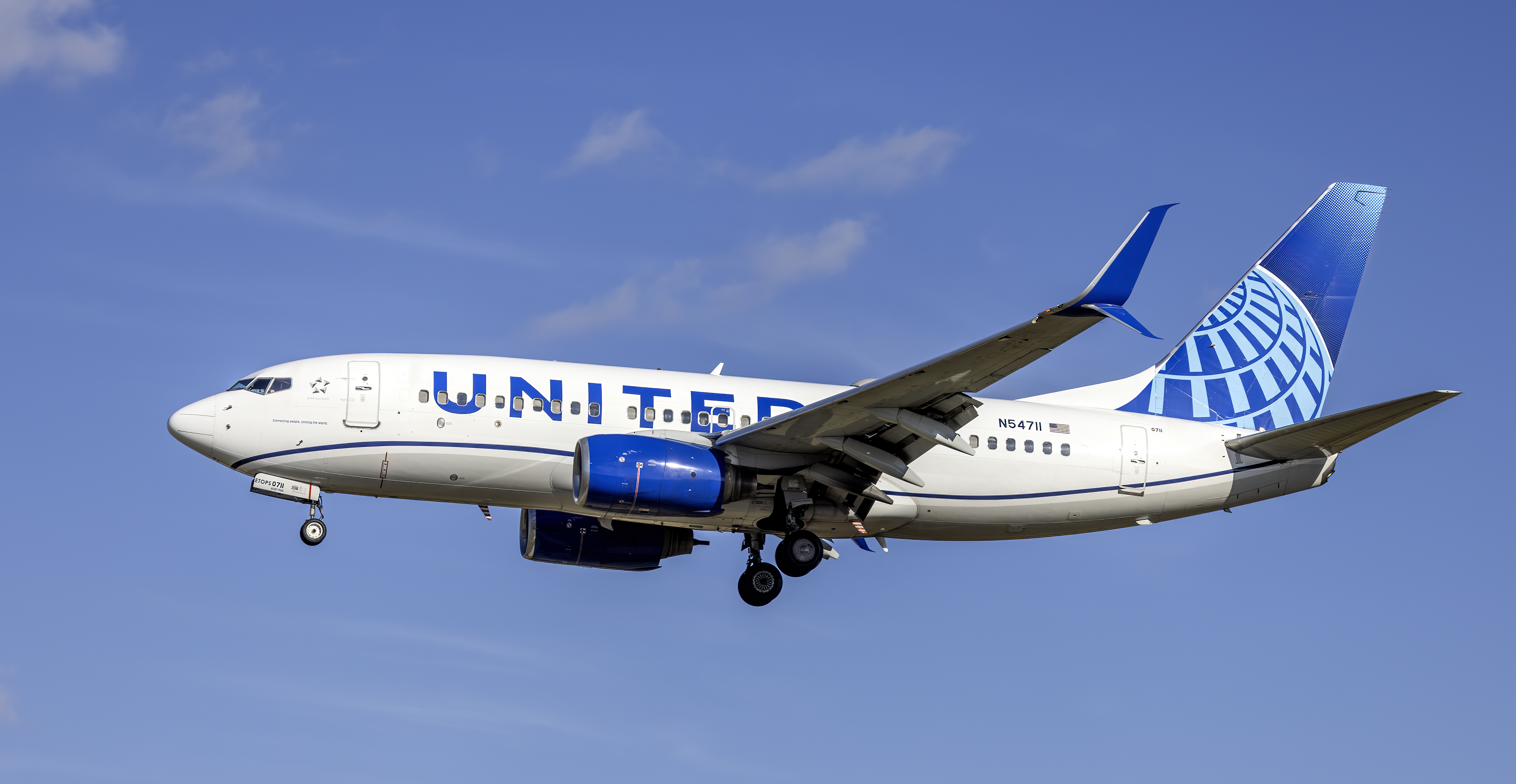
FAA Orders 1,987 Boeing 737 Stabilizer Checks After Pitch Oscillations
Airlines wanted more flexibility to place the work into existing maintenance schedules. The Federal Aviation Administration kept the required timetable instead, ordering stabilizer inspections across an estimated 1,987 U.S.-registered Boeing 737 Next Generation aircraft after multiple operators reported unwanted pitch oscillations. The final airworthiness directive, published October 19, 2026, takes effect November 23.

The FAA attributed the reported oscillations to excessive freeplay mechanical looseness in the horizontal stabilizer system. If that condition is not found and corrected, the agency warned, it could lead to aerodynamic flutter and potentially loss of control. The mandatory work covers certain 737-600, -700, -700C, -800, -900 and -900ER aircraft. It does not apply to the 737 MAX.
Why a small amount of movement warrants fleetwide attention
The horizontal stabilizer is the tail surface that helps control an aircraft’s nose-up or nose-down attitude. Its supporting mechanism must move as designed while remaining within defined limits at its attachment and drive points. The FAA’s directive requires mechanics to measure freeplay at the left and right stabilizer pivot hinges and at the jackscrew, the mechanism used to position the stabilizer.
Freeplay is not merely a question of whether a component feels loose during a general inspection. Mechanics must obtain measurements that can be compared with specified limits. Those results determine the next step: calculating total stabilizer freeplay, repeating measurements, conducting additional inspections, or repairing or replacing worn parts. A post-repair or post-replacement inspection is also required to verify that the measured values have returned to the acceptable range before the aircraft goes back into service.
The concern is the interaction between mechanical clearance and aerodynamic loading. Excessive clearance can permit unwanted tail-surface motion rather than holding the stabilizer precisely where the control system commands it. Repeated motion under airflow can develop into an oscillatory aeroelastic response. The FAA identified flutter as the ultimate unsafe condition addressed by the rule, rather than treating the reported pitch movement solely as a ride-quality or crew-workload issue.
The directive does not specify how many oscillation events occurred, identify affected flights or indicate how many aircraft currently exceed the freeplay limits. It establishes the reported condition, its link to excessive stabilizer freeplay and the potential consequence if that looseness remains uncorrected. The inspections are intended to determine the condition of individual aircraft across the covered fleet.
The schedule reflects uncertainty about how wear develops
Canadian North asked the FAA to extend the initial inspection threshold from 12 months to 36 months, arguing that the longer period would let operators combine the work with heavy maintenance and provide more time to arrange labor and parts. United Airlines separately requested longer repeat intervals for aircraft fitted with replacement hinge bearings.
The FAA rejected both requests. It concluded that the established compliance times provide an acceptable level of fleet safety and said repeat measurements are needed for original, repaired and newly installed parts. In systems terms, replacing a component does not eliminate the requirement to verify the assembled mechanism over time. The measurement monitors the resulting clearance across interacting parts, not simply the age of one bearing.
That decision may prevent some operators from waiting for their most convenient heavy-maintenance visit. It can create additional planning work and, where measurements lead to follow-on action, possible aircraft downtime. The rule does retain a controlled path for flexibility: operators may request an alternative compliance schedule if they submit sufficient data showing that it would maintain an acceptable level of safety.
The known cost is only the first measurement
The FAA estimates that the initial freeplay measurement will require six work-hours per aircraft. At the agency’s assumed labor rate of $85 per hour, that is $510 per airplane and $1,013,370 across the affected U.S. fleet. No parts are included in that initial estimate.
The larger operational and financial effects remain undetermined because the measurements decide what comes next. The FAA could not estimate how many aircraft will need worn components repaired or replaced, and it had no definitive prices for those parts. Consequently, the approximately $1 million figure describes the fleet’s initial screening work, not the final cost of resolving every finding.
The rule follows a proposed directive issued in January 2026 and incorporates procedures from a Boeing requirements bulletin dated June 12, 2025. Once the directive becomes effective on November 23, the key fleetwide result will come from those measurements: how many of the 1,987 U.S.-registered aircraft remain within limits and how many require further inspection, repair or replacement before excessive stabilizer movement can progress into the hazard the FAA is seeking to prevent.
| More aerospace and engineering stories, right in your MSN feed. Follow AMI on MSN |
By Thomas Caldwell — AMI’s senior editor for mechanical and mobility engineering, covering vehicle electronics, systems integration, electrification, chassis systems, propulsion, and safety policy.




