Tesla Shelves Cybertruck in Australia and New Zealand, Refunds Deposits
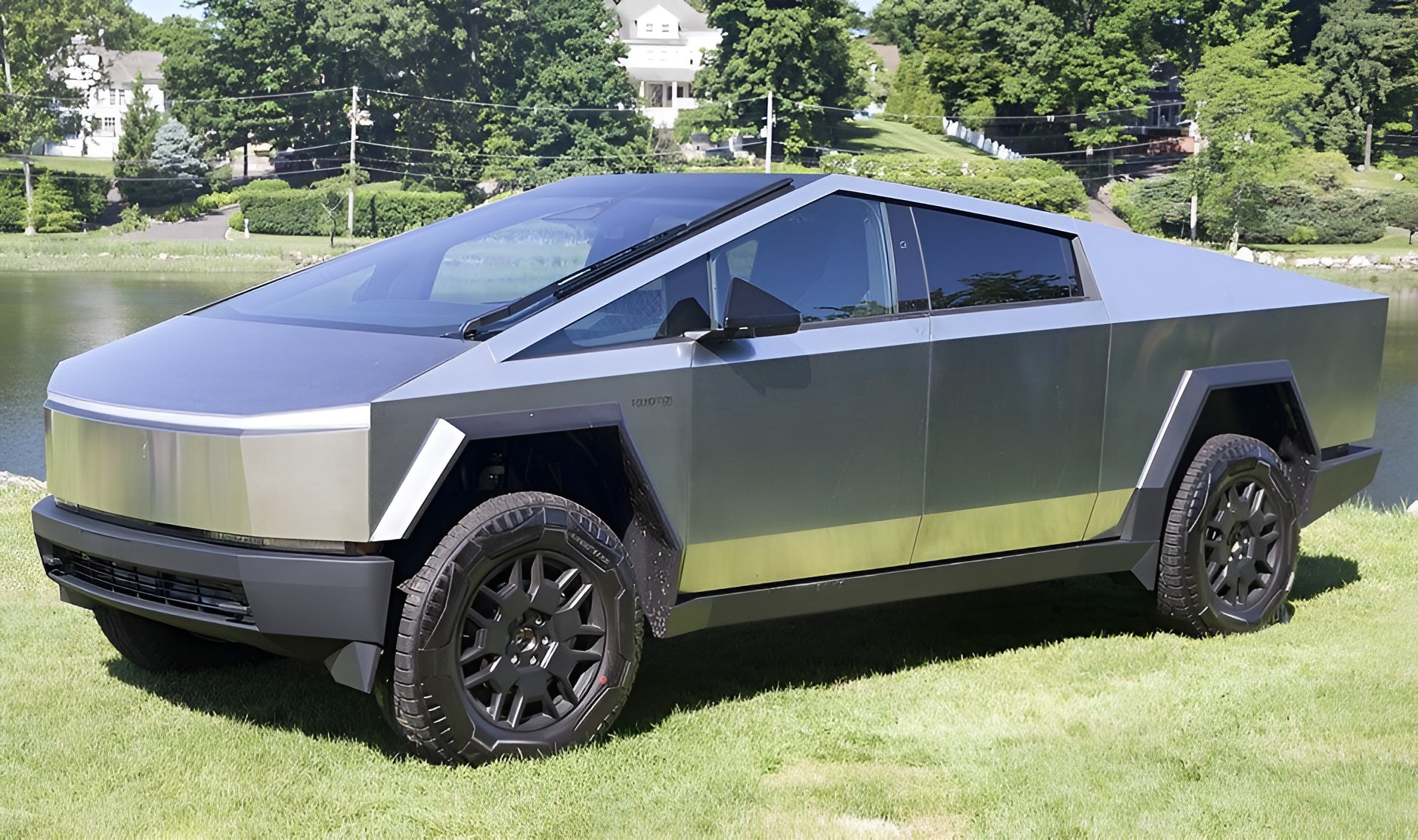
Australians and New Zealanders who reserved a Tesla Cybertruck are reportedly getting their deposits back rather than the electric pickup they expected. In customer emails circulated on October 22, 2026, Tesla said plans to produce the truck for the two countries had been discontinued, according to accounts of the reservation-holder communication.

The replacement offer comes with a substantial condition. Affected customers can reportedly receive one complimentary year of Full Self-Driving (Supervised), but only if they order a new Model 3 sedan or Model Y crossover by December 31, 2026. Those vehicles differ markedly from the large pickup customers originally reserved, making the incentive less a Cybertruck substitute than an attempt to retain buyers within Tesla’s existing right-hand drive lineup.
The emails reportedly promise full refunds for payments associated with the canceled reservations. Tesla had paused Australian Cybertruck reservations in May 2022 without publicly abandoning the regional launch, leaving existing reservation holders with years of uncertainty. No public Tesla press release explaining the cancellation was identified at the time the customer messages emerged.
Right-hand drive requires more than relocating the steering wheel
Tesla has not publicly stated why it shelved the Australia and New Zealand program. The engineering demands of a right-hand drive Cybertruck offer a plausible constraint, but they remain analysis rather than a reason given by the company.
Changing the driving position affects a network of connected systems. The dashboard structure and controls must be rearranged, while the steering column, intermediate shafts and related mounting points require a suitable path through the vehicle. Pedals, brake interfaces, displays, switches and driver-facing cameras may also need new positions or components.
Electrical architecture adds another layer. Wiring harnesses designed around a left-hand drive cabin may need different branches, lengths, attachment points and protection from moving hardware. Changes around the instrument panel can also affect heating and ventilation ducts, interior packaging and assembly procedures. Even when the underlying software is shared, sensors and controls must still be correctly configured and validated in their new physical locations.
Occupant protection is especially consequential. Moving the driver changes the relationship among the seat, steering wheel, dashboard and airbags. Airbag hardware, deployment calibration and restraint performance must be validated for the revised cabin. The work therefore extends beyond producing mirror-image trim pieces; it reaches systems whose performance is assessed during certification and crash testing.
Local compliance was already part of the discussion
Australia also applies its own design rules. Before the cancellation, Tesla Australia had received a briefing on changes that would be needed for a local Cybertruck, including right-hand drive, external lighting and bumper-width revisions. At that stage, the company’s Australian leadership described the truck as remaining on its roadmap, although no launch date had been confirmed, according to a previous account of the compliance briefing.
That history helps explain why the latest communication represents a material change rather than another delay. A manufacturer considering a new regional configuration must weigh engineering, tooling, supplier, validation and certification costs against the number of vehicles it expects to sell. Australia and New Zealand both require right-hand drive vehicles for normal local use, so Tesla could not simply redirect its existing left-hand drive Cybertruck production without addressing that fundamental configuration difference.
The regional decision does not establish that Tesla has canceled a right-hand drive Cybertruck for every market. No worldwide announcement covering other right-hand drive countries has been made public in the material available, and the customer communication concerns Australia and New Zealand specifically.
For reservation holders in those two countries, however, the uncertainty has ended. The Cybertruck they waited for will not be supplied through the planned regional launch, their deposits are being returned, and Tesla’s additional compensation is available only if they replace that pickup reservation with an order for a Model 3 or Model Y before the end of year deadline.
| More aerospace and engineering stories, right in your MSN feed. Follow AMI on MSN |
By Thomas Caldwell — AMI’s senior editor for mechanical and mobility engineering, covering vehicle electronics, systems integration, electrification, chassis systems, propulsion, and safety policy.