Silverado Owner Sues GM Over $41,319 Repair After Alleged Cooler Failure
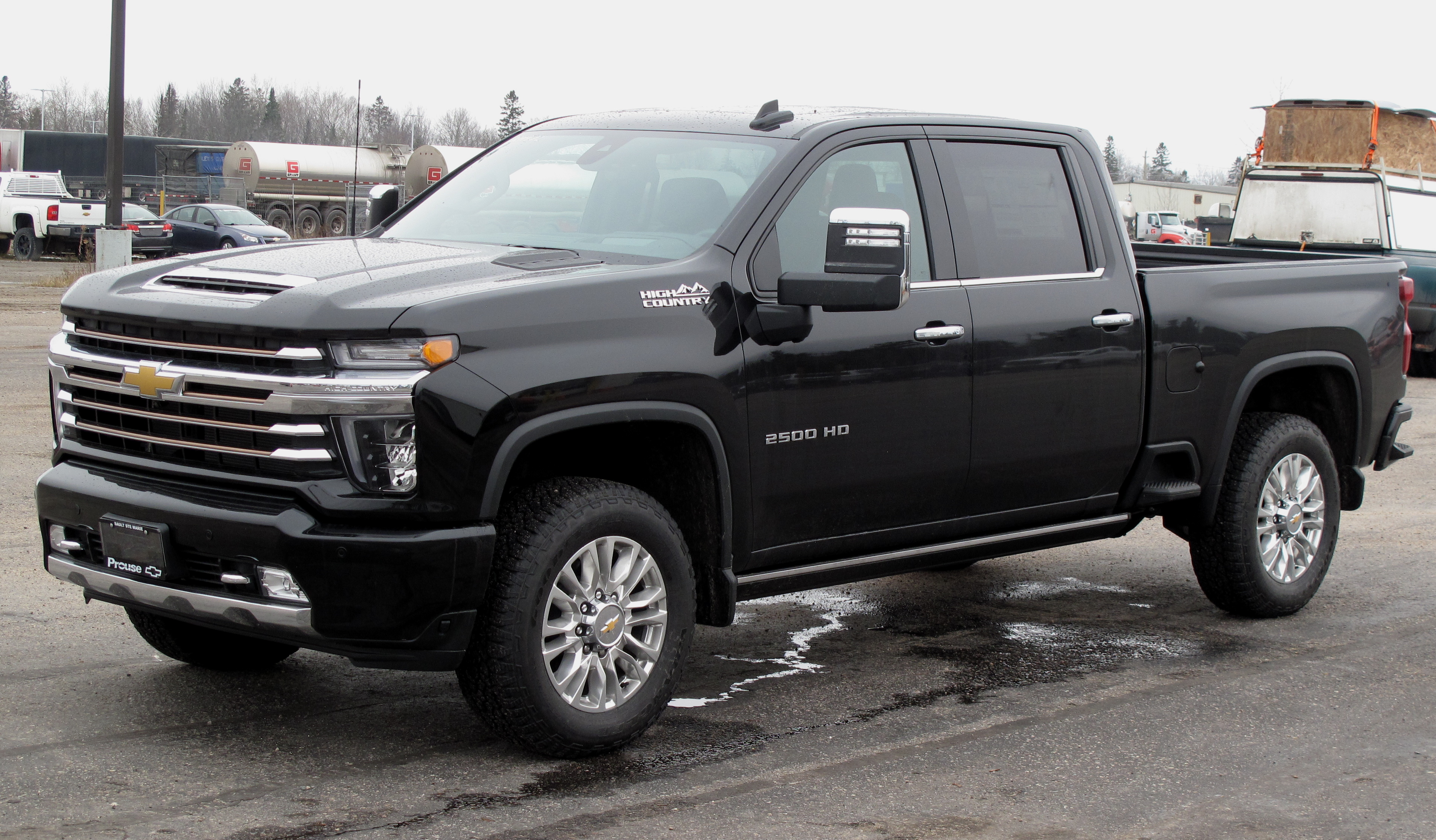
At approximately 16,453 miles, Robert Hubof’s 2024 Chevrolet Silverado 2500 HD allegedly went from a low-mileage heavy-duty truck to a $41,319.79 repair dispute. His proposed class-action lawsuit claims an oil-cooler failure contaminated the truck’s cooling and lubrication systems, damaged its engine and left him responsible for the estimate after General Motors declined full warranty coverage.

Hubof filed the case against GM in federal court in Michigan on September 24, 2026. The complaint alleges that the automaker concealed an oil-cooler defect in certain heavy-duty trucks and improperly blamed resulting engine damage on poor maintenance. Class status has not been granted, and the allegations have not been adjudicated. GM said it generally does not comment on pending litigation.
A small barrier separates two critical fluid circuits
The oil cooler is a heat exchanger: Engine oil and coolant flow through separate internal passages so coolant can carry heat away from the lubricant. The fluids should exchange heat without physically mixing.
Hubof’s case centers on what can happen if the internal barrier cracks. The lawsuit alleges that pressurized oil can then move into the cooling system or leak from the truck. That creates two linked problems. The cooling circuit becomes contaminated, while the lubrication circuit loses oil needed to protect bearings and other highly loaded engine components.
Hubof says he heard a loud bang in June 2025 and subsequently found oil in the coolant reservoir and fluid beneath the Silverado. According to the complaint, a GM technician found engine oil in the cooling system and metal debris in the oil system. Those are the reported findings behind the repair estimate, not a court determination of the initiating failure.
The scale of the estimate reflects the alleged progression beyond one replaceable cooler. If oil has circulated through the cooling system, cleaning the circuit can involve more than draining and refilling it. If lubrication loss has also damaged internal engine components and produced metal debris, replacing the cooler alone would not address that secondary damage. The central warranty dispute is therefore whether inadequate maintenance caused the low-oil condition or whether a covered component allegedly caused the oil loss first.
GM service documents add context, not a fleetwide finding
An August 2024 GM service update instructed dealers to inspect certain 2024 Silverado and Sierra 2500 HD and 3500 HD diesel trucks for possible coolant contamination. A March 2025 repair bulletin also said oil in coolant may be caused by a leaking engine-oil cooler, although that document applied broadly across GM vehicles. Dealer bulletins provide diagnostic and repair direction; they are not equivalent to a safety recall or an admission that every truck using the component is defective.
Hubof alleges that GM often authorizes replacement of the cooler while declining to cover an engine replacement and attributes the larger damage to poor maintenance. GM’s eventual court response and the truck’s service records will be central to evaluating that claim.
The Federal Trade Commission’s vehicle-warranty guidance says coverage cannot be denied merely because routine maintenance was performed somewhere other than a dealership. It also explains that maintenance records can be requested and that coverage may be denied for damage caused by defective or improperly installed aftermarket parts. The guidance does not resolve Hubof’s case, but it shows why receipts, inspection findings and a written reason for denial can become decisive in a warranty dispute.
One lawsuit does not establish a defect trend
A proposed class action can raise a broader allegation, but determining whether a recurring safety defect exists requires population-level information such as complaint frequency, severity, vehicle configuration and manufacturer data. NHTSA evaluates complaints alongside manufacturer, law-enforcement and other data under a risk-based process, and possible defect investigations can proceed through distinct stages including a Defect Petition, Preliminary Evaluation, Recall Query and Engineering Analysis.
The agency publishes searchable investigation records and manufacturer communications through its investigation and recall resources. NHTSA says there is no fixed complaint count that automatically opens an investigation; owners who believe they experienced a possible safety defect may submit a complaint for agency review.
The oil-cooler allegations must also remain separate from the federal investigation of GM vehicles equipped with L87 engines following a different 2025 recall. That inquiry concerns another engine population and defect issue, not the failure mechanism alleged for Hubof’s heavy-duty Silverado.
For Hubof, the unresolved issue is narrower and financially immediate: whether the cooler was merely one failed part or the initiating cause of contamination and engine damage that pushed the claimed repair cost to $41,319.79. GM’s formal response and the court’s treatment of the proposed class claims will determine whether that account develops into a broader warranty case.
| More aerospace and engineering stories, right in your MSN feed. Follow AMI on MSN |
By Thomas Caldwell — AMI’s senior editor for mechanical and mobility engineering, covering vehicle electronics, systems integration, electrification, chassis systems, propulsion, and safety policy.