


Starshield Disruption Reportedly Downed $1 Million in Ukrainian Drones, Halted Operations for Three Days
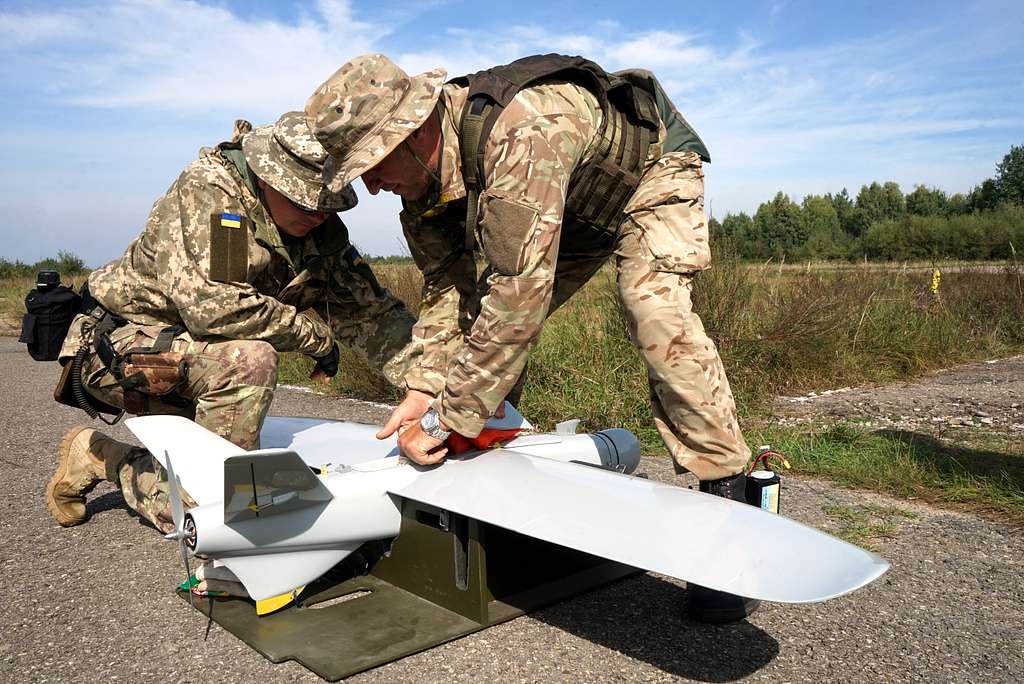
An advanced drone fleet can remain mechanically sound yet become unavailable when its communications service falters. A Ukrainian commander told The New York Times that a Starshield disruption caused many drones to fall, cost his units more than $1 million in equipment and forced them to halt almost all operations for three days.

The account places the immediate losses inside a broader communications disruption reported in mid-October. Starshield is a Pentagon-funded military version of SpaceX’s Starlink satellite network. Ukrainian forces rely on it for some drone operations and other military communications, making service performance part of the effective operating envelope of connected aircraft.
The number and models of drones lost have not been disclosed. The reporting also does not establish the aircraft’s precise lost-link behavior or identify the technical chain that made them fall after their connections degraded. Those details are important because an interruption can affect unmanned aircraft differently depending on their design, configuration and remaining access to navigation or control functions.
Connectivity became an equipment problem
The reported outcome shows why satellite service cannot be treated as a background utility when it sits in a vehicle’s control chain. Airframes, propulsion systems and onboard electronics may all be functional, but the aircraft can still lose mission availability when the external network no longer provides the required connection.
That changes how operators and procurement officials have to measure readiness. Counting serviceable drones is insufficient if those aircraft depend on communications capacity governed and maintained outside the unit. Network availability, service limits, terminal compatibility and contingency behavior become part of the platform’s practical capability even though they are not physically contained in the airframe.
The financial consequence can also arrive faster than a conventional maintenance failure. A defective component might ground one aircraft until technicians replace it. A shared communications interruption can affect multiple connected platforms at once, concentrating equipment losses and operational delays into a short period. In this case, one commander put the equipment cost above $1 million and the near-total stoppage at three days.
Neither figure can be converted into a fleetwide loss estimate. The reporting identifies one commander’s units, not every Ukrainian formation using Starshield. It nevertheless documents the scale that a common service dependency can reach within an affected organization.
Restoration does not erase the dependency
Ukraine said on October 24 that Starlink and Starshield had returned to their previous operating speeds after more than a week of disruptions, according to NPR. Ukraine’s Defense Ministry said its monitoring systems were recording restored speeds and stable connectivity. SpaceX’s chief executive and US officials denied responsibility for the restrictions, while the authority behind the changes remained disputed.
Restored service returns capability, but it does not replace lost aircraft or remove the systems issue exposed by the interruption. Resilience for a connected fleet involves more than durable hardware. It also depends on monitoring service health, defining what aircraft do after a connection is lost, maintaining appropriate alternatives and understanding which outside organization controls each supporting layer.
That concern extends beyond Ukraine. NATO’s communications agency says its approach combines military satellite capability with commercial capacity, including frameworks intended to provide flexible access as requirements change. Such diversification does not guarantee uninterrupted service, but it reflects a broader design principle: a large operational system is only as available as the external services it requires.
The Starshield episode put a hard price and timeline on that principle. According to the Ukrainian commander’s account, a communications change was followed by more than $1 million in lost drones and three days in which his troops could conduct almost none of their normal operations.
| More aerospace and engineering stories, right in your MSN feed. Follow AMI on MSN |
By David Whitaker — Associate editor for AMI’s aerospace and drone systems desk, translating flight systems, aircraft programs, spaceflight, and UAV developments into accessible technical stories.



