U.S. EV Share Falls to 6% as Europe Reaches 23.2%
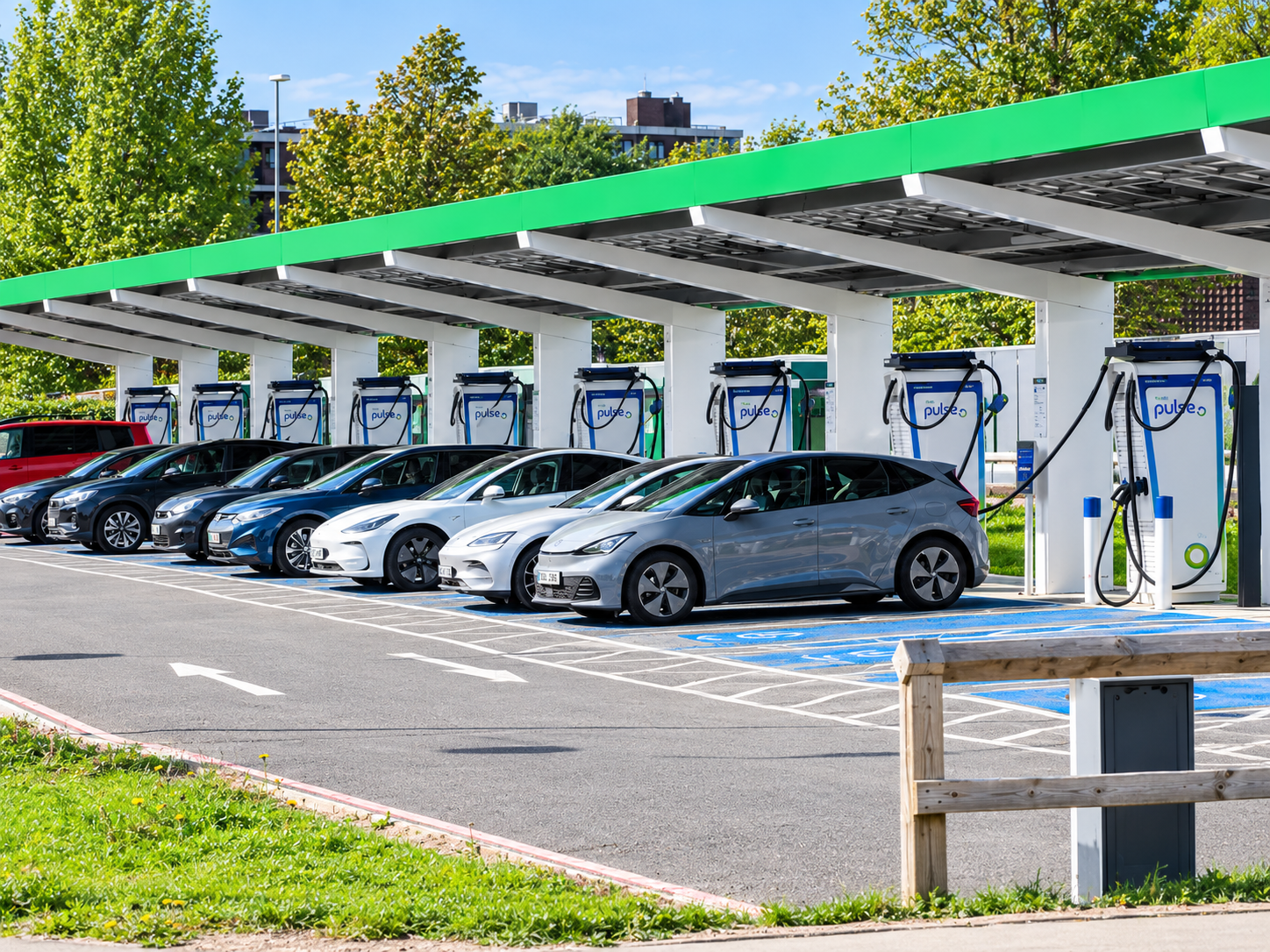
Electric vehicles followed sharply different paths across the Atlantic in 2026. They represented a reported 23.2% of European new-car sales through the first three quarters, compared with about 6% in the United States. The divergence followed the end of U.S. federal purchase credits and coincided with Europe offering more lower-priced electric models, continued tax advantages in some countries and stronger pressure to move away from gasoline.

The U.S. change carried an immediate cost for buyers. Federal credits worth as much as $7,500 for a qualifying new electric vehicle and $4,000 for a qualifying used one ended after Sept. 30, 2025. The Internal Revenue Service confirms that the new, previously owned and commercial clean-vehicle credits are unavailable for vehicles acquired after that date.
The market-share figures do not indicate that European battery or motor technology suddenly became fundamentally different. They show how the surrounding system purchase price, model selection, regulation, fuel costs and competition can determine whether broadly similar powertrain technology reaches mainstream households.
Purchase incentives change the effective price
A tax credit does not improve battery chemistry, charging speed or vehicle efficiency, but it can move an EV across a household’s affordability threshold. Removing a credit of up to $7,500 creates a substantial effective price increase unless automakers or dealers absorb it through discounts. The effect is likely to be greatest among price-sensitive buyers, who have fewer ways to offset the higher upfront cost with future fuel or maintenance savings.
The timing of U.S. demand supports that price-sensitivity reading. EVs reached 8.5% of American sales in September 2025 amid a final surge before the credits expired. The subsequent share near 6% reflects a market operating without that federal support, alongside loosened fuel-economy and greenhouse-gas rules that reduced pressure on manufacturers to accelerate the transition.
Access also depends on which vehicles qualify and who can use an incentive. Before expiration, the new-vehicle credit included income, price, final-assembly, battery-component and critical-mineral requirements. Those conditions linked public support to industrial-policy goals, but they also narrowed the pool of qualifying vehicles and buyers. Europe’s country-level arrangements vary, yet continuing tax advantages in some markets preserve at least part of the purchase-cost benefit.
Europe has more small, lower-cost choices
Product mix is the second major difference. More than 150 mass-market battery-electric models were available in Europe during the first half of 2026, following nearly 40 launches during that period. Some European EVs start below €25,000, described as roughly $28,000. Transport & Environment projects that sales of models starting below €25,000 will be seven times their 2024 level in 2026.
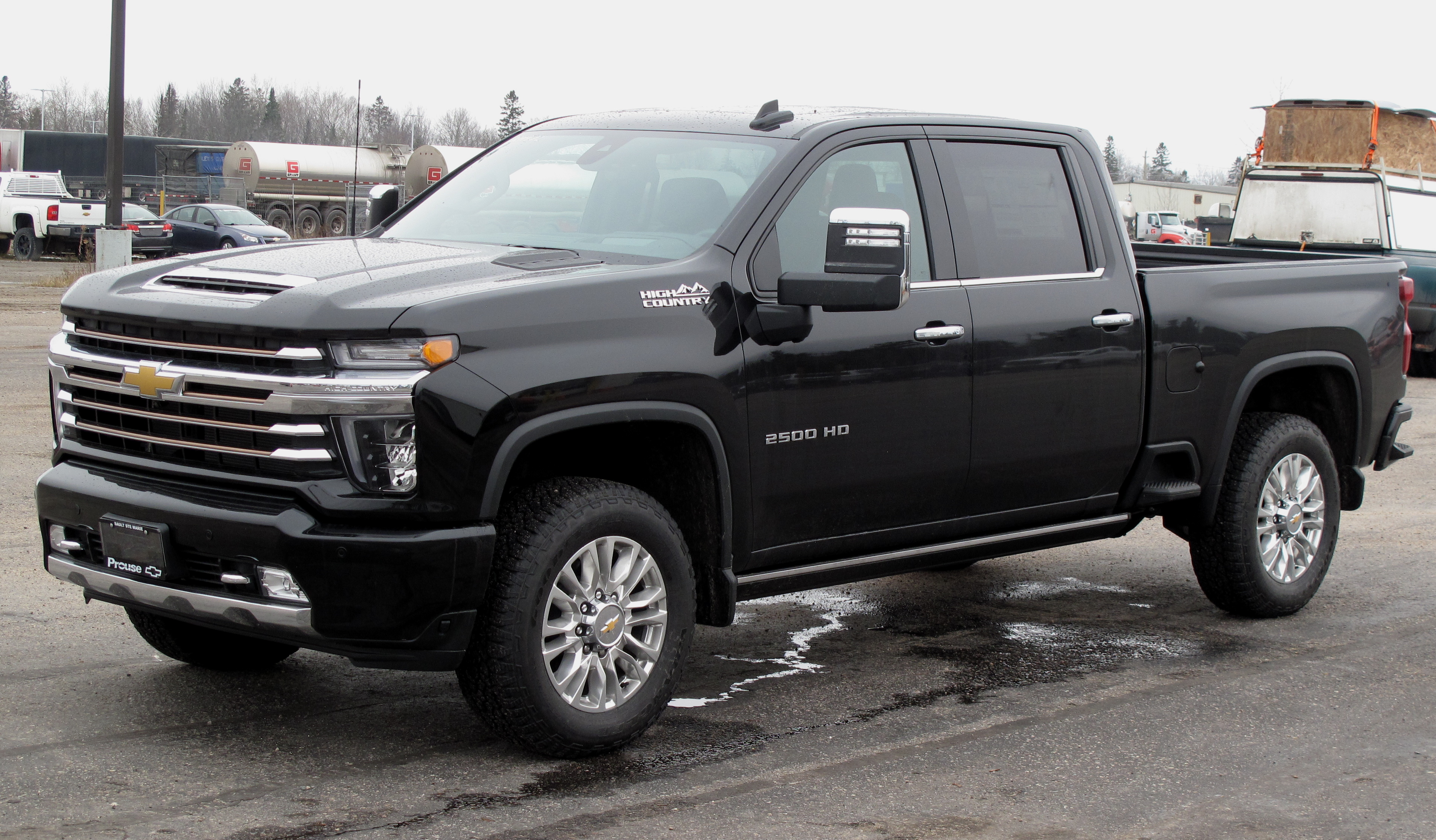
U.S. buyers have fewer choices, particularly among smaller and less expensive vehicles. That is a systems-integration issue as much as a marketing one. A larger vehicle generally requires more battery capacity to deliver an acceptable range, adding mass and cost. A market centered on larger vehicles therefore faces a harder path to producing entry-priced EVs, even as battery manufacturing improves.
Competition reinforces the difference. Chinese manufacturers have expanded Europe’s supply of lower-priced vehicles and increased pressure on established automakers. Trade barriers and software-related restrictions have limited the arrival of China-made vehicles in the United States. Those measures address policy concerns, but one consumer consequence is reduced low-cost competition.
Operating economics favor different powertrains
Higher fuel prices in Europe strengthen the financial case for replacing gasoline with electricity. When fuel is expensive, an EV’s lower energy cost can recover a higher purchase price more quickly. American households generally face a weaker fuel-cost signal, making upfront price, access to charging and expected resale value more influential.
Many U.S. buyers instead moved toward hybrids, which captured 15.6% of the overall market after sales rose 23% during the first three quarters of 2026. A hybrid reduces fuel consumption without requiring routine external charging, making it a lower-friction option for households that lack dependable home or workplace charging. Its continued combustion engine also avoids full dependence on public charging during longer trips, although it retains the complexity and maintenance needs of two propulsion systems.
The used market provides another access route. U.S. used-EV sales were up 19% by September 2026 as depreciation reduced purchase prices. Lower resale values benefit second owners but increase the ownership cost borne by first owners. Buyers must also evaluate remaining battery capacity, because degradation directly affects usable range and resale value.
The 23.2%-versus-6% gap is therefore less a verdict on electric propulsion than a measure of the market built around it. Europe combined more than 150 models, sub-€25,000 choices, fuel-cost pressure and continuing advantages in some countries. The United States removed credits worth thousands of dollars while inexpensive choices remained limited, leaving hybrids and depreciated used EVs to carry more of the transition.
| More aerospace and engineering stories, right in your MSN feed. Follow AMI on MSN |
By Thomas Caldwell — AMI’s senior editor for mechanical and mobility engineering, covering vehicle electronics, systems integration, electrification, chassis systems, propulsion, and safety policy.