


Tesla Starts Vietnam Hiring as VinFast Controls 36% of Car Market
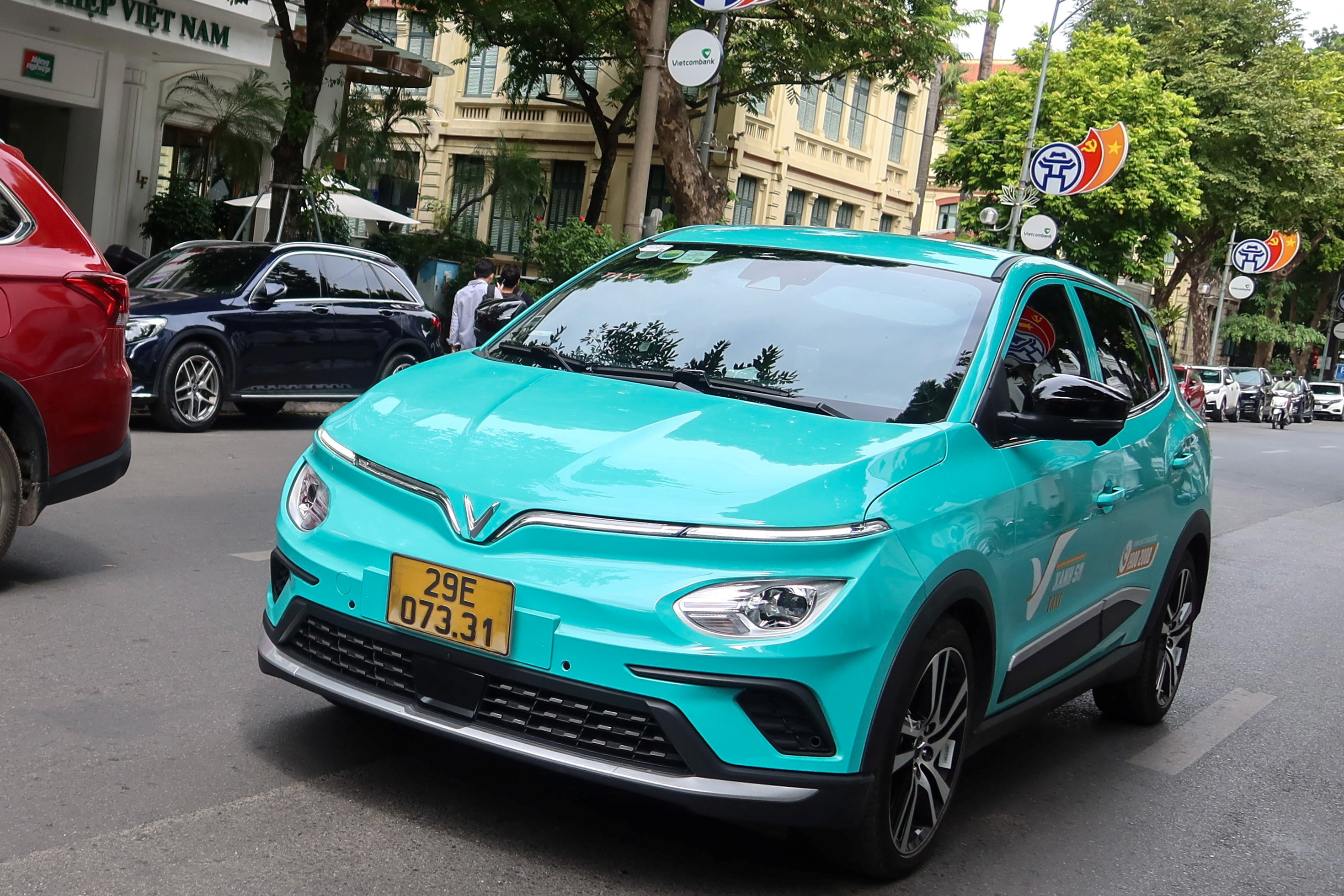
Tesla is assembling a sales, service and charging team for Vietnam, but it will enter a car market where domestic manufacturer VinFast accounts for roughly 36% of new-vehicle sales. The incumbent also has two structural advantages that Tesla cannot quickly reproduce: local vehicle production and an established charging network.
The move became concrete on October 28, when Tesla recruiter Ricky Ip said the electric-vehicle manufacturer was “officially coming” to Vietnam. Tesla is recruiting for five positions: Sales Manager, Service Manager, HR Business Partner, Purchasing Manager and Project Developer, Charging. The jobs establish that operational preparations are underway, although Tesla has not announced a launch date, vehicle lineup, prices, stores or service locations.
The hiring follows the September 11 registration of Tesla Motors Vietnam LLC in Ho Chi Minh City. The entity has about 77.7 billion dong, or roughly $3 million, in charter capital. Its registered activities cover vehicle imports, wholesale and retail, along with parts, machinery, equipment and distribution.
A market leader with home-field advantages
VinFast delivered 177,697 vehicles in Vietnam during the first nine months of 2026. Against an overall market of approximately 495,000 vehicles, that represents about 36% of national new-car sales. Its volume also exceeded the combined 175,136 vehicles attributed to Toyota, Hyundai, Mitsubishi, Ford and Kia over the same period.
VinFast said September was its 25th consecutive month as Vietnam’s best-selling car brand. Its models occupied the five highest sales positions that month, while the sub-$13,000 VF 3 was the country’s best-selling vehicle for the year to date. Some VinFast deliveries go to GSM, the electric taxi and ride-hailing business founded by VinFast chairman Pham Nhat Vuong, so the total is not entirely a measure of independent retail demand. It nonetheless represents vehicles entering service and gives VinFast substantial operating scale.
Manufacturing location creates another difference. VinFast builds vehicles in Haiphong, while Tesla’s registered business scope and initial jobs point toward an import-and-distribution operation rather than local assembly. Vietnam retained passenger cars on its high-tariff list under the ASEAN-China free-trade agreement, making import origin and associated costs important variables in Tesla’s eventual pricing.
Tesla does receive one policy benefit: Vietnam has extended its registration-fee exemption for battery-electric vehicles through the end of 2030, and imported EVs are included. That lowers one ownership cost, but it does not remove the manufacturing and import-cost gap between a locally produced vehicle and a foreign-built one.
Charging is an access problem as well as a hardware problem
The charging-project position shows that Tesla is planning for infrastructure alongside sales and service. It does not confirm that Tesla has approval for a Vietnamese Supercharger network, nor does it reveal whether the company intends to build stations, work with existing operators or combine both approaches.
VinFast affiliate V-Green already operates Vietnam’s dominant charging network and has announced plans to spend about $380 million on 99 ultra-fast charging stations. That footprint gives VinFast more than a convenience advantage: charging availability affects where an EV can be used routinely and how much confidence buyers place in longer trips.
Vietnam is introducing a national technical framework for charging equipment and stations, scheduled to take effect July 1, 2027. The rules address connectors, electrical safety, power systems, communications and technical compatibility. However, technical compatibility will not automatically guarantee access to every operator’s network. A vehicle may support the same connector and electrical configuration as a station while still being excluded by the operator’s commercial arrangements.
For Tesla, that means charging development involves more than installing compatible plugs. The local team will need workable sites, utility connections, permits and an access model that supports owners beyond home charging. Research comparing electric-vehicle adoption across Southeast Asia and the United States has identified public charging infrastructure as a consistent adoption driver, although infrastructure alone does not determine market growth.
The five hires amount to a core operating team, not a commercial launch. The next meaningful milestones will be a named retail or service site, confirmed charging arrangements, a price list and an initial model lineup. Until those appear, Tesla has established its intention to compete in Vietnam but VinFast already has the factories, vehicles and charging presence that turn market entry into daily operation.
| More aerospace and engineering stories, right in your MSN feed. Follow AMI on MSN |
By Thomas Caldwell — AMI’s senior editor for mechanical and mobility engineering, covering vehicle electronics, systems integration, electrification, chassis systems, propulsion, and safety policy.



