


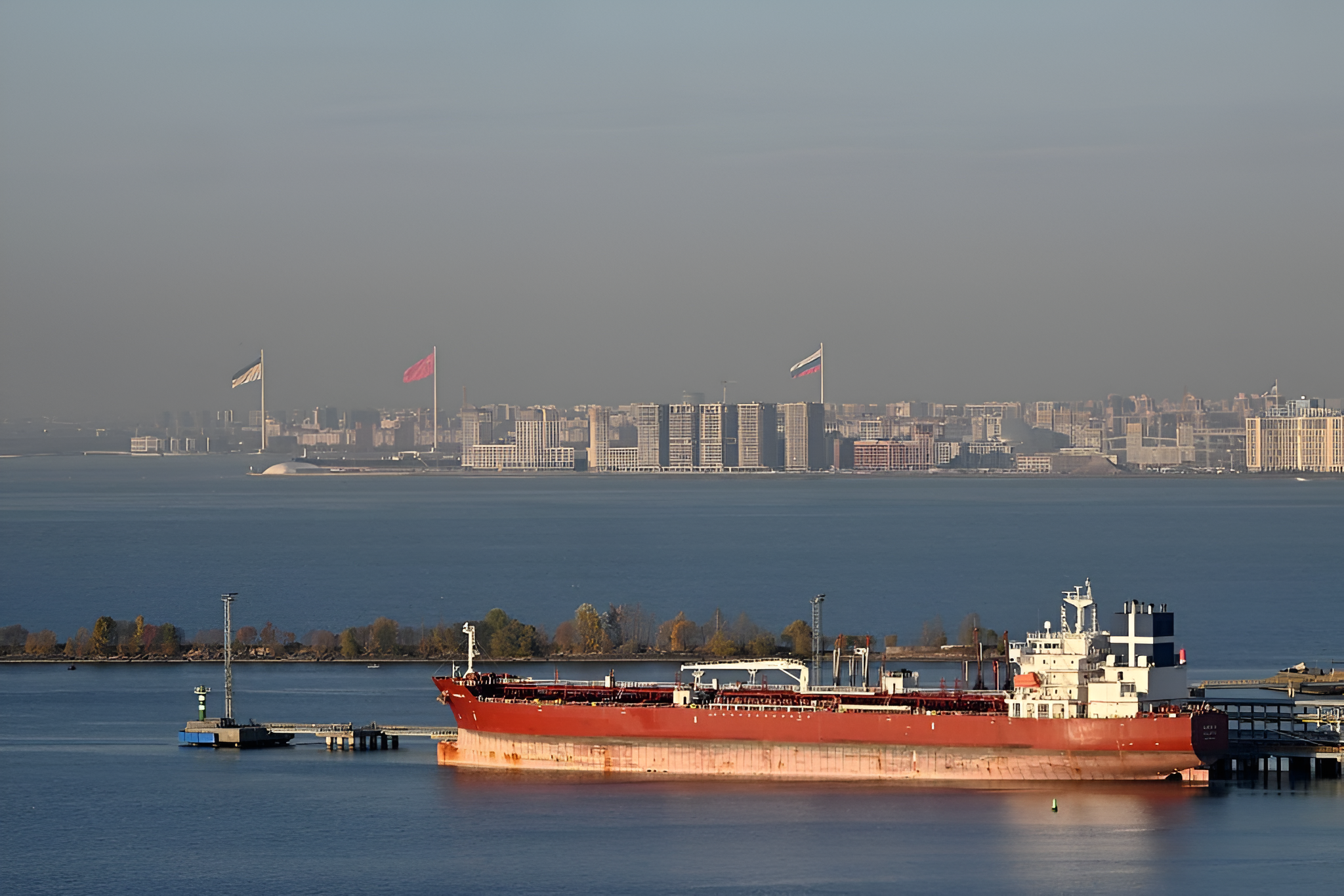
Russia Restarts Diesel Exports, but First Release Covers Under One U.S. Day
Russia has partially reopened diesel exports, but the initial announced release is modest beside the fuel demand it is meant to help relieve. The first tranche of more than 300,000 metric tons, equivalent to 2.25 million barrels, is smaller than one day of U.S. transportation-sector consumption.
U.S. transportation uses approximately 2.94 million barrels of diesel per day, according to Energy Information Administration data cited in the announcement. The comparison does not mean all the Russian fuel is destined for the United States the supply is intended for U.S. and global markets but it shows the limited scale of the initial addition. For truckers, farmers and other diesel users facing high fuel costs, reopening an export route is different from delivering enough product to materially rebalance the market.
Moscow said it had lifted part of an export ban that had been in place since July with immediate effect. The United States also created a legal channel for the trade: an Office of Foreign Assets Control license dated October 9 authorizes transactions involving the sale, delivery, offloading and importation of Russian-origin diesel through April 7, 2027, subject to stated limits.
Refinery output is the first constraint
Export permission cannot create diesel that refineries have not produced. Before attacks on Russian refineries began in 2024, the country could export approximately 100,000 metric tons per day. Current availability is more constrained because the operating condition of parts of the refining system remains uncertain.
Industry sources said Russia could meet the initial 300,000-ton request if attacks on its refineries stopped. They also said the country could produce that quantity during the month if a large damaged refinery in European Russia restarted. Those conditions make the first tranche less like inventory waiting behind a closed gate and more like output dependent on equipment availability and stable plant operations.
This distinction is important in a refined-products market. Crude oil supply alone does not guarantee diesel supply; crude must reach a compatible refinery, be processed through functioning units and then move through storage, terminals and distribution networks. A disruption at any stage can reduce usable product even when export policy has eased.
The International Energy Agency’s October oil-market assessment said the relaxation of Russian restrictions was unlikely to materially change the global diesel balance because the principal constraint was insufficient operational refinery capacity. The agency reported that global diesel and gasoil exports in September were about 700,000 barrels per day below their year-earlier level, while combined net exports from Russia and the Middle East had fallen by 1.3 million barrels per day.
Shipping permission is not shipping capacity
The second constraint is transport. Although U.S. restrictions on transactions involving Russian diesel were relaxed, many tankers remain subject to sanctions. Uncertainty over which vessels can legally and practically carry the fuel could limit loading schedules, route flexibility and the speed at which product reaches buyers.
That logistics problem is amplified by high freight costs. Diesel is valuable at its destination, not merely at the refinery gate. Tanker availability, insurance, financing, port access and voyage time all affect delivered supply and cost. The IEA reported that record freight and crude costs had already pressured refinery economics in Europe and Asia.
Larger follow-on volumes have been announced: 500,000 metric tons in November and another 1 million tons immediately afterward. Yet even the one-million-ton tranche amounts to less than four days of U.S. transportation demand. Those shipments could still provide useful incremental supply, particularly in a tight market, but their effect depends on production and delivery occurring on schedule.
U.S. diesel prices fell 0.5% on the Monday following the announcements, indicating that expectations of additional supply can influence markets before all the fuel arrives. Sustained relief requires physical barrels, however, and current refinery and tanker constraints leave a gap between authorized exports and dependable delivered volume. Russia has reopened the route; the next test is whether its refining and shipping system can move the announced tranches consistently enough to matter.
| More aerospace and engineering stories, right in your MSN feed. Follow AMI on MSN |
By Thomas Caldwell — AMI’s senior editor for mechanical and mobility engineering, covering vehicle electronics, systems integration, electrification, chassis systems, propulsion, and safety policy.



