Ozon Says Ukrainian Drone Attacks on 11 Russian Hubs Cost 30.1 Billion Rubles
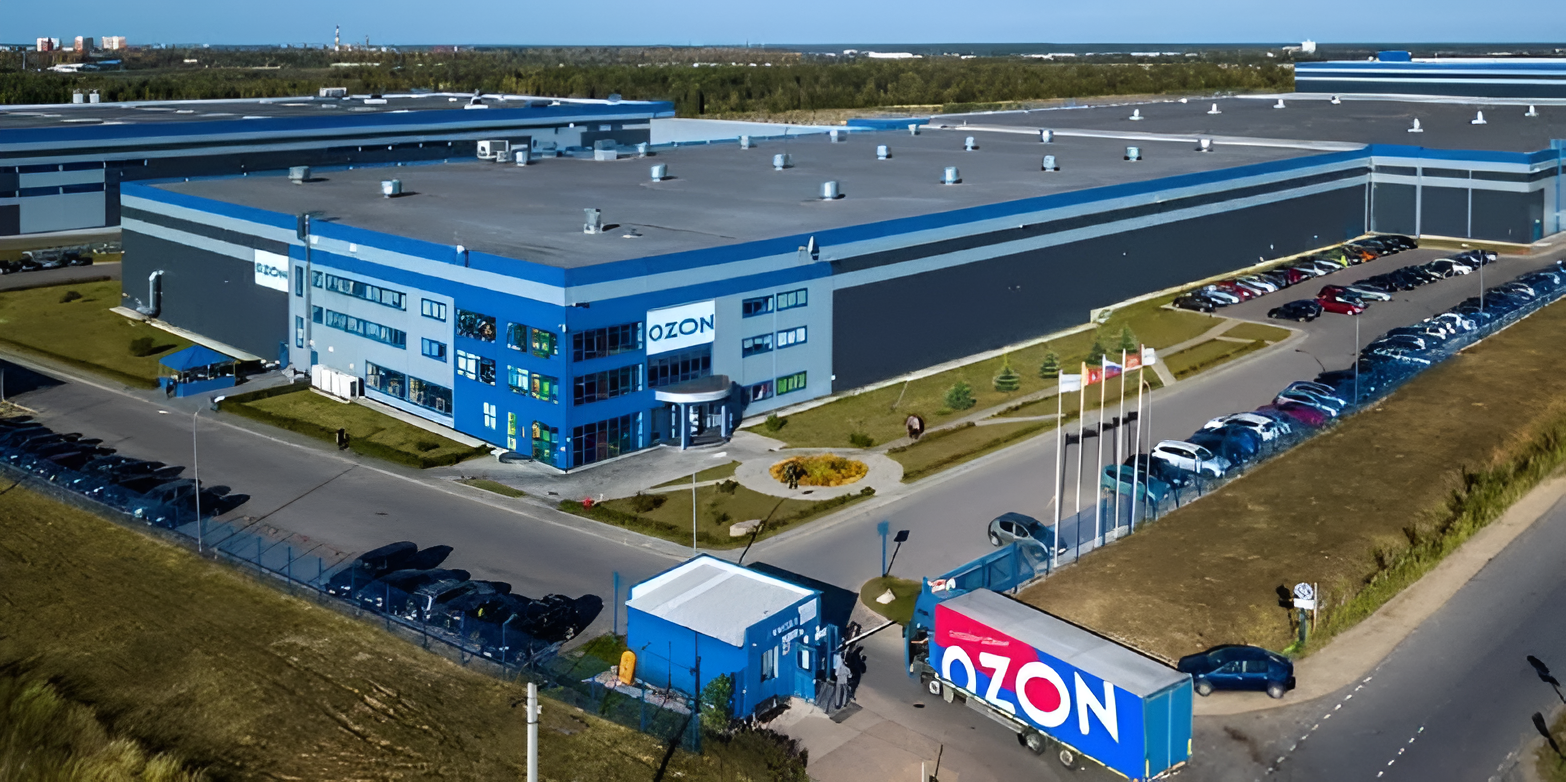
Ozon says Ukrainian drone attacks on 11 of its Russian logistics centers generated 30.1 billion rubles in losses during the third quarter of 2026. Yet the online marketplace also reported that quarterly profit rose 25% and order volume climbed 76%, creating a sharp contrast between extensive physical losses and continued network growth.
The company’s estimate covers goods destroyed inside warehouses, damaged equipment, and a category described as “other losses and expenses.” Ozon said some of its risks were insured and that negotiations with insurance companies were continuing, so the reported loss is not necessarily the final amount the company will bear.
Those figures expose several different layers of logistics risk at once. Inventory is the most immediate: goods held inside a fulfillment center represent capital that can disappear before an order is completed. Equipment damage adds another category, potentially covering the machinery and systems needed to receive, sort, store and dispatch products. Other expenses can arise as a network responds to a facility loss, although Ozon did not provide a detailed breakdown of that category.
Growth continued despite the physical losses
Ozon reported third-quarter net profit of 3.7 billion rubles, up 25% from the same period a year earlier. Revenue reached 421.2 billion rubles, 1.6 times its year-earlier level, while the company delivered 1.2 billion orders during the quarter 76% more than a year earlier.
The profit figure and the 30.1-billion-ruble loss measure different things, so they should not be treated as a direct subtraction exercise. The loss estimate accounts for specified strike-related damage and expenses, while quarterly net profit reflects the performance of the broader business after its recognized income and costs. What the combination does show is that substantial damage at 11 logistics centers did not prevent Ozon from processing sharply more orders across its wider operation.
For a distributed fulfillment network, that continuity is an important operational result. A marketplace does not depend only on warehouse buildings. It also relies on inventory positioning, sorting equipment, data systems, transportation links and the ability to shift work across available facilities. Ozon’s order growth indicates that the overall network retained significant throughput during the quarter, but the disclosed financial loss shows the cost of doing so alongside physical damage.
Insurance will determine part of the final cost
The unresolved insurance negotiations are more than an accounting footnote. Physical inventory, equipment and interruption-related losses can be valued under different policy terms. An insurance-loss accounting analysis explains that damaged inventory may be valued at replacement cost, historical cost, cash value or selling price, while business-interruption coverage commonly focuses on income or profit lost while operations are suspended.
Those categories can overlap. If finished goods are compensated at their expected selling price, the treatment of the profit embedded in those goods may affect a separate interruption claim. Policy wording, coverage limits and the measured period of disruption can therefore change the amount ultimately recovered. Ozon has not disclosed how much compensation it expects or which portions of the 30.1 billion rubles insurers may accept.
The wider insurance market may also become an operating cost in its own right. A separate report said average Russian warehouse-insurance rates rose 13 to 20 times year over year in the third quarter of 2026, reaching about 2% of property value. It also reported substantially higher rates for some large warehouse policies. Those market estimates are separate from Ozon’s company-reported losses, but they illustrate how repeated damage can affect logistics operators even after an individual claim is settled: future coverage can become much more expensive.
The scale also points to industrial pressure beyond any single damaged building. Large fulfillment centers combine concentrated inventory with specialized equipment and high order throughput. Replacing goods addresses only one part of the recovery; equipment, facility capacity and continuity expenses create separate demands on suppliers, contractors and insurers. At the same time, Ozon’s 1.2 billion quarterly deliveries show why network-level results cannot be inferred from damage at individual facilities.
Ozon’s pending insurance settlement is now the next material figure. Until those negotiations conclude, 30.1 billion rubles remains the company’s reported gross strike-related loss not its settled net cost.
| More aerospace and engineering stories, right in your MSN feed. Follow AMI on MSN |
By Stephen Wallace — Editor for AMI’s aerospace integration and unmanned mobility coverage, focused on drone manufacturing, VTOL systems, autonomous networks, and air-ground mobility links.