


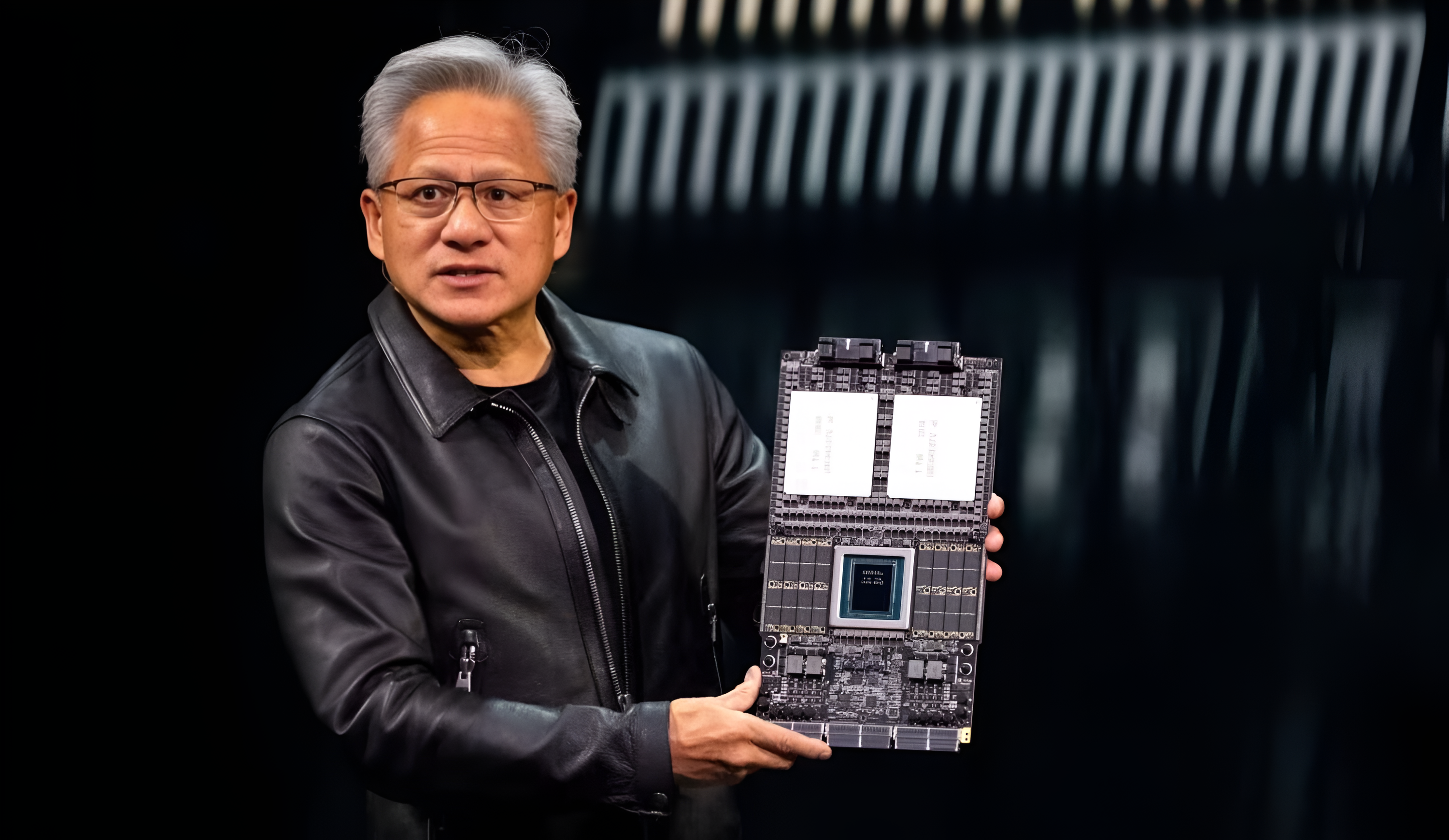
SpaceX Lines Up $40 Billion for AI Processors Arriving in 2027
SpaceX says it has secured $40 billion in debt financing primarily for artificial-intelligence processors, but the hardware itself is not expected until the first half of 2027. Elon Musk announced the completed financing on October 25, turning an earlier funding discussion into a procurement commitment with a long delivery window, according to Reuters.
The separation between financing and delivery is the central constraint. SpaceX may now have funding assigned to the purchases, but it does not yet have the associated computing capacity in operation. Musk said the graphics processing units, or GPUs, are expected during the first and second quarters of 2027 and that the transaction would not be a major factor in the company’s financial position during the current quarter.
Terms including the debt’s interest rates and pricing were not immediately clear. Musk described the package primarily as callable debt for GPU purchases and attributed SpaceX’s ability to obtain it partly to the company’s investment-grade credit status and established revenue from Starlink satellite internet and rocket launches. Reuters had previously reported that SpaceX was discussing a package of the same size with banks and asset managers to acquire Nvidia AI chips.
A processor order is only one layer of computing capacity
The $40 billion figure illustrates how securing advanced processors has become an infrastructure project rather than a conventional equipment purchase. GPUs must be manufactured and delivered before they can contribute useful computing capacity. Their deployment also depends on supporting data-center systems, although SpaceX has not disclosed the configuration, processor count, power requirement or installation plan associated with this financing.
Supply timing is a broader industry constraint. AMD chief executive Lisa Su said in October that her company plans to increase chip supply substantially in 2027 while working with manufacturing and memory suppliers to meet demand. That does not identify AMD as a SpaceX supplier, but it places SpaceX’s delivery schedule within an industry that is planning advanced processor production several years ahead.
SpaceX’s existing businesses provide another important distinction. Starlink and launch services produce revenue outside AI data centers, giving the company operating activities that Musk said supported the financing. The reported scale of those operations is rising quickly: SpaceX’s revenue reached $14.58 billion in the quarter ended September 30, up 161% from a year earlier, while capital expenditure nearly tripled to $19.6 billion.
Terafab is a separate, later manufacturing effort
The purchased processors should not be conflated with Terafab, the chip-manufacturing joint venture SpaceX and Tesla are pursuing in Austin, Texas. The external GPU purchases concern hardware due in early 2027. Terafab is an attempt to establish an in-house production path on a later schedule.
Terafab is expected to produce its first test chip around May or June 2027, roughly when the purchased GPUs are scheduled to be arriving. A test chip is an early manufacturing milestone, not volume output. The venture is targeting volume production in the third quarter of 2028, leaving more than a year between its initial test target and planned large-scale manufacturing.
That timeline explains why external procurement and internal production can proceed in parallel. Purchased GPUs offer the earlier route to computing hardware, subject to supplier delivery. Terafab could eventually give SpaceX and Tesla a manufacturing channel of their own, but it must first produce a test device and then make the substantially harder transition to repeatable volume production.
For now, SpaceX has completed the financing stage rather than the installation stage. The next concrete milestone is physical delivery during the first half of 2027; Terafab’s first test chip is expected in the same period, while its volume-production target remains in the third quarter of 2028.
| More aerospace and engineering stories, right in your MSN feed. Follow AMI on MSN |
By David Whitaker — Associate editor for AMI’s aerospace and drone systems desk, translating flight systems, aircraft programs, spaceflight, and UAV developments into accessible technical stories.



