Reported Ukrainian Drone Strike Halts Refinery, Triggering 40-Liter Fuel Cap
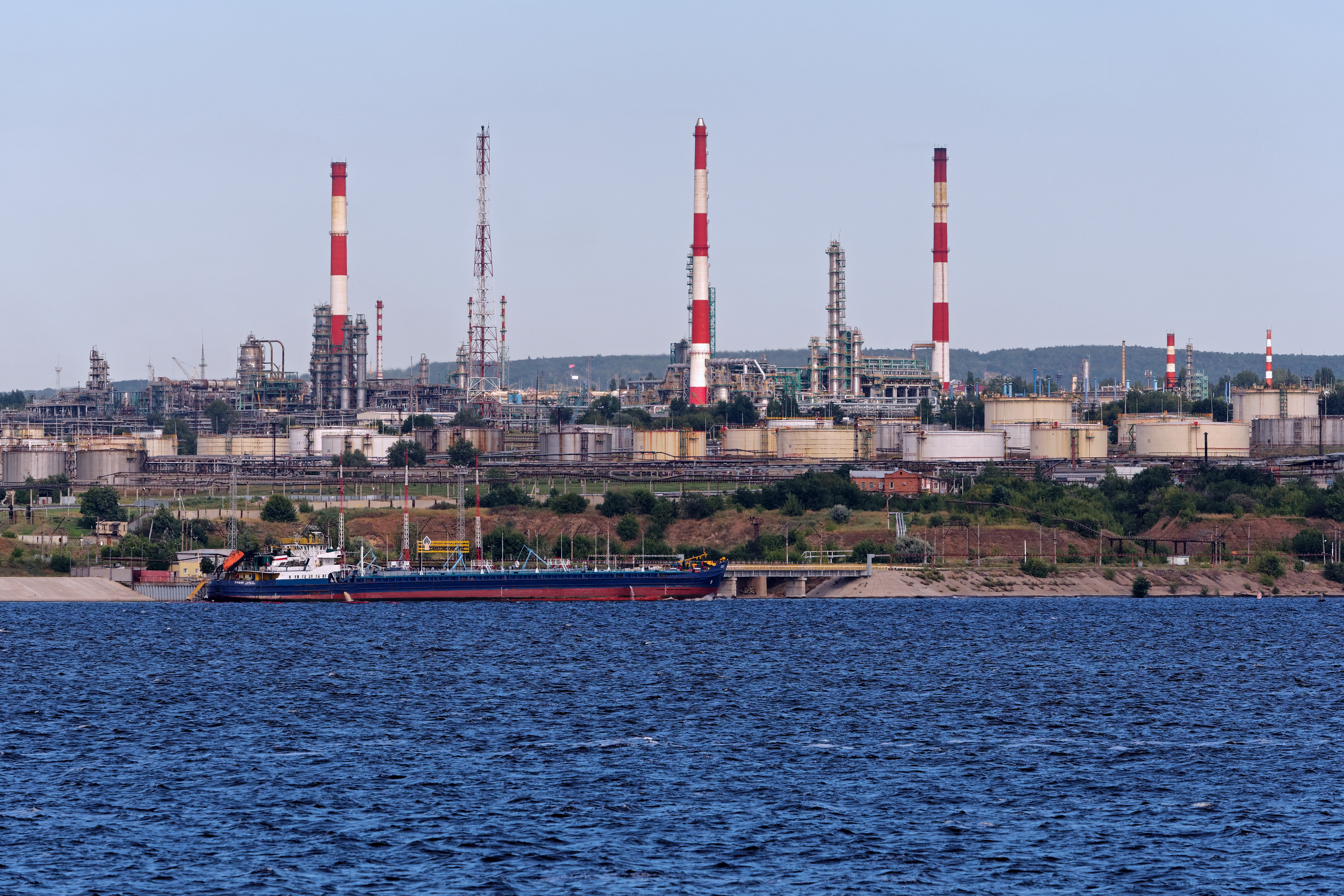
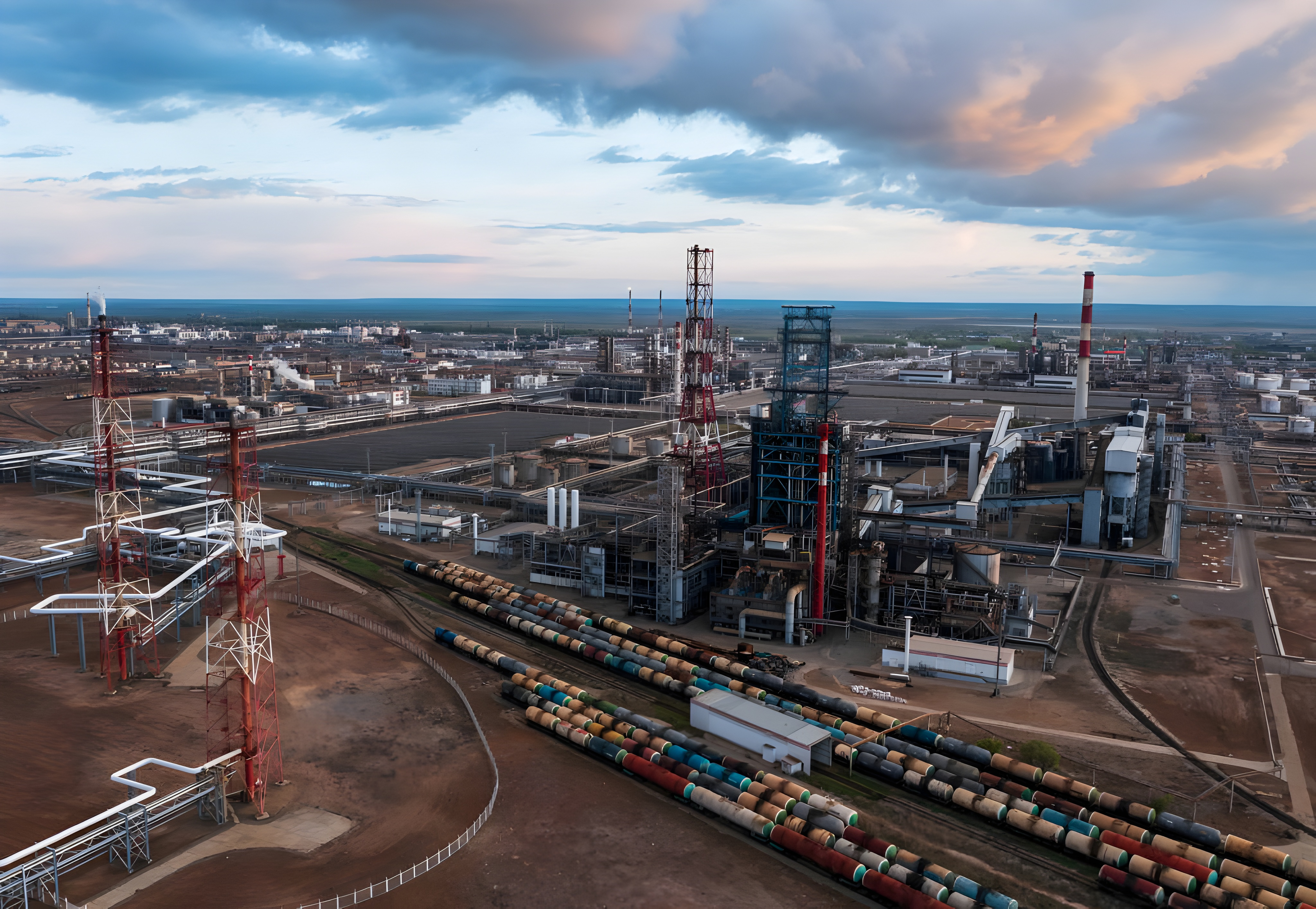
A reported Ukrainian drone strike halted the NORS refinery in Russia’s Nizhny Novgorod Region, followed by a 40-liter gasoline cap that brought the industrial disruption directly to motorists. Regional reporting attributed to The Moscow Times also described a ban on filling jerry cans, limits tied to license plates and restrictions on serving vehicles registered elsewhere. Reuters reported on November 9 that fuel-sale curbs had emerged in Nizhny Novgorod and several other Russian regions after a wider series of refinery attacks.

The detailed Nizhny Novgorod measures have not been accompanied by a publicly available official order establishing their start date, duration or administering authority. According to the regional account, fuel transport beyond the region was temporarily prohibited except for Russian Ministry of Defense and emergency-service needs. Police and Russian National Guard personnel were deployed to filling stations as authorities sought to contain shortages and panic buying.
The progression from a refinery stoppage to controls at individual pumps illustrates how quickly a production loss can become a distribution problem. A refinery converts crude oil into usable fuels, but continued retail availability depends on more than its nameplate production capacity. Existing inventories, deliveries from other plants, storage levels, tanker and rail availability, and the pace of consumer demand all determine whether an outage remains largely invisible or produces queues and purchase limits.
The 40-liter ceiling addresses demand rather than restoring supply. A per-vehicle cap spreads the available gasoline among more motorists and reduces the ability of any single buyer to remove a large volume from the system. Prohibiting jerry-can sales further limits stockpiling. Alternating or otherwise controlling access through license-plate digits can distribute demand across different periods, while refusing vehicles from other regions preserves local inventories for the area imposing the controls.
Those measures also carry operational costs. Filling stations must verify plates, registration origins, container use and purchase volumes instead of conducting ordinary retail transactions. Enforcement personnel add another layer of control, but they do not increase the amount of finished fuel available. Restricting outbound transport similarly protects regional stocks at the expense of flexibility elsewhere in the distribution network.
Refinery outages do not automatically produce rationing. The decisive factor is whether stored fuel and replacement deliveries can bridge the lost production. A historical U.S. Energy Information Administration analysis of planned refinery maintenance showed how adequate inventories, lower demand and supplies from other refining regions can absorb temporary capacity losses. Nizhny Novgorod’s reported restrictions indicate that authorities and retailers were instead trying to conserve local supply while the NORS plant was offline.
The drone dimension adds a different planning problem from scheduled maintenance. Planned shutdowns can be placed in lower-demand periods, with inventories accumulated beforehand and alternate supplies arranged. An unexpected stoppage compresses that preparation window. When attacks are repeated across an industrial network, operators must also account for simultaneous or closely spaced interruptions rather than assuming another refinery will always be available to compensate.
Reuters reported attacks on at least eight major Russian refineries over two weeks and sale restrictions in at least half a dozen regions. That scale creates pressure beyond any single facility: protective resources, repair capacity, replacement equipment and fuel logistics must be distributed across geographically separated sites. The available reporting does not establish how the NORS plant was reached, what equipment was damaged or how long production will remain suspended, so it cannot support conclusions about a specific air-defense failure or repair schedule.
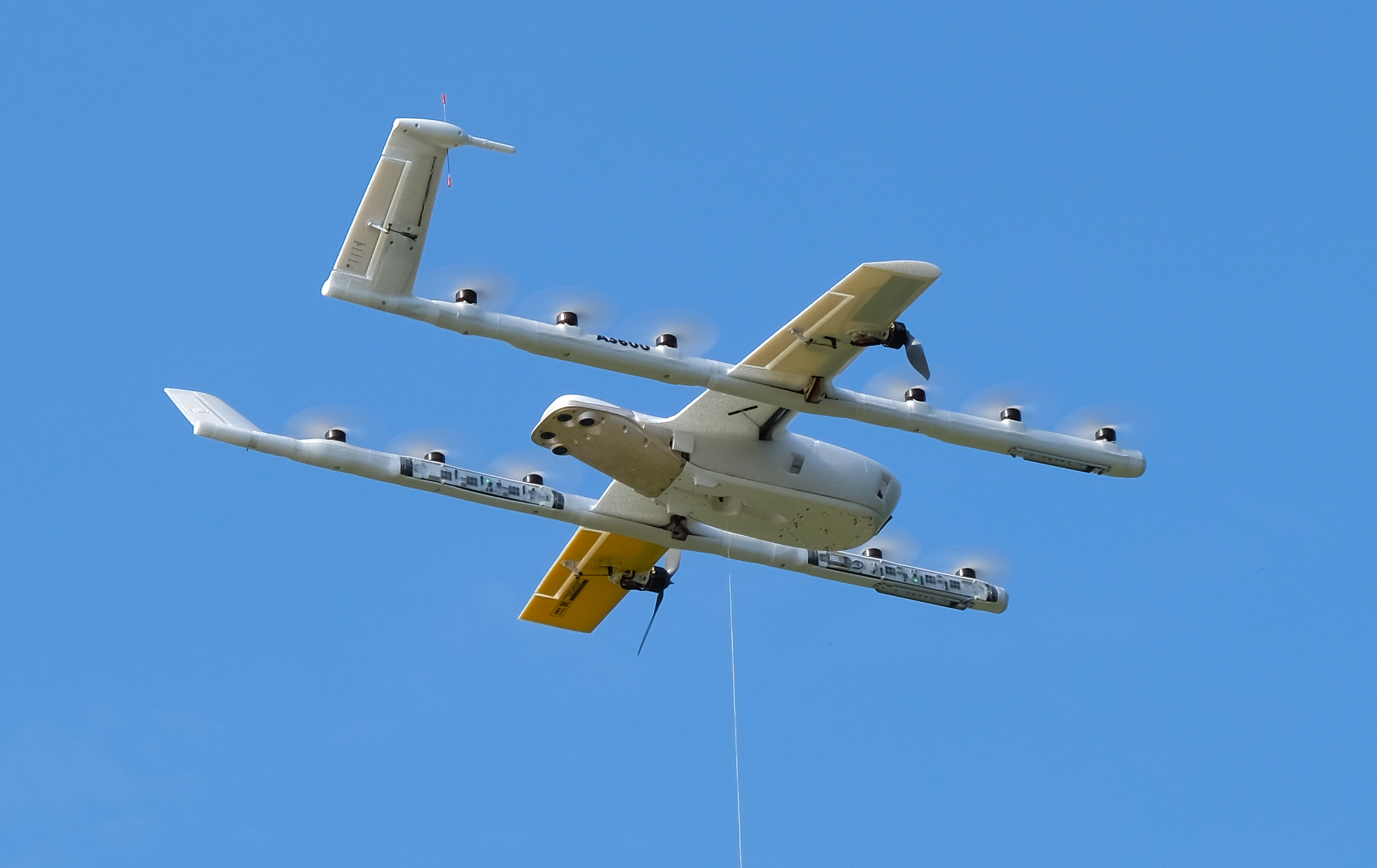
For unmanned-system planning, the strategic effect visible here is the burden imposed on a broad industrial system. Defenders must protect numerous fixed facilities continuously, while fuel suppliers must retain enough inventory and transport flexibility to withstand an unplanned loss. The reported controls in Nizhny Novgorod show the civilian boundary of that pressure: motorists encounter it not at the refinery gate, but through a 40-liter limit, a rejected container or a license plate that determines access to the pump.
| More aerospace and engineering stories, right in your MSN feed. Follow AMI on MSN |
By Stephen Wallace — Editor for AMI’s aerospace integration and unmanned mobility coverage, focused on drone manufacturing, VTOL systems, autonomous networks, and air-ground mobility links.