Ukrainian Drones Disrupt Nine Russian Refineries Representing Nearly 30% of Capacity
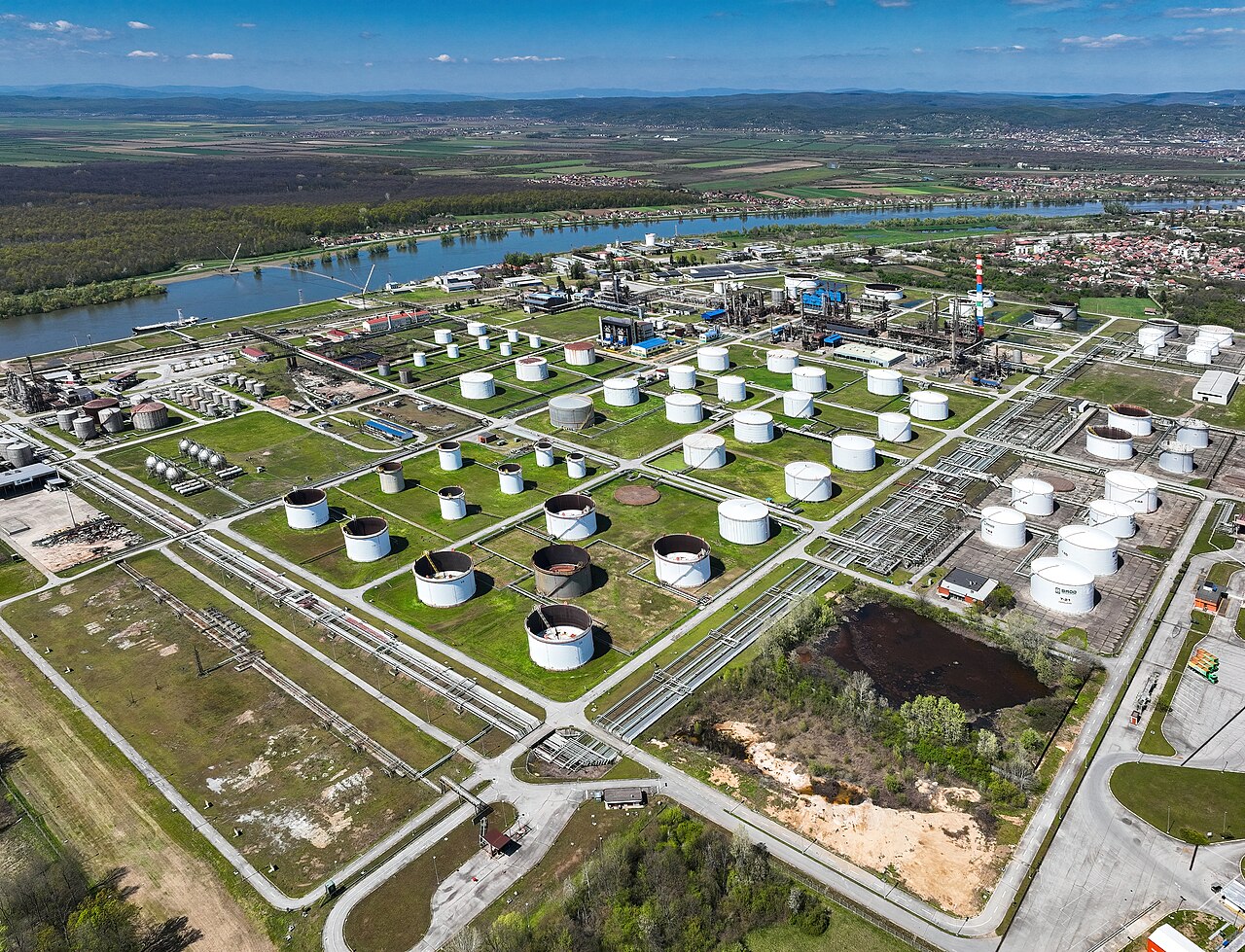
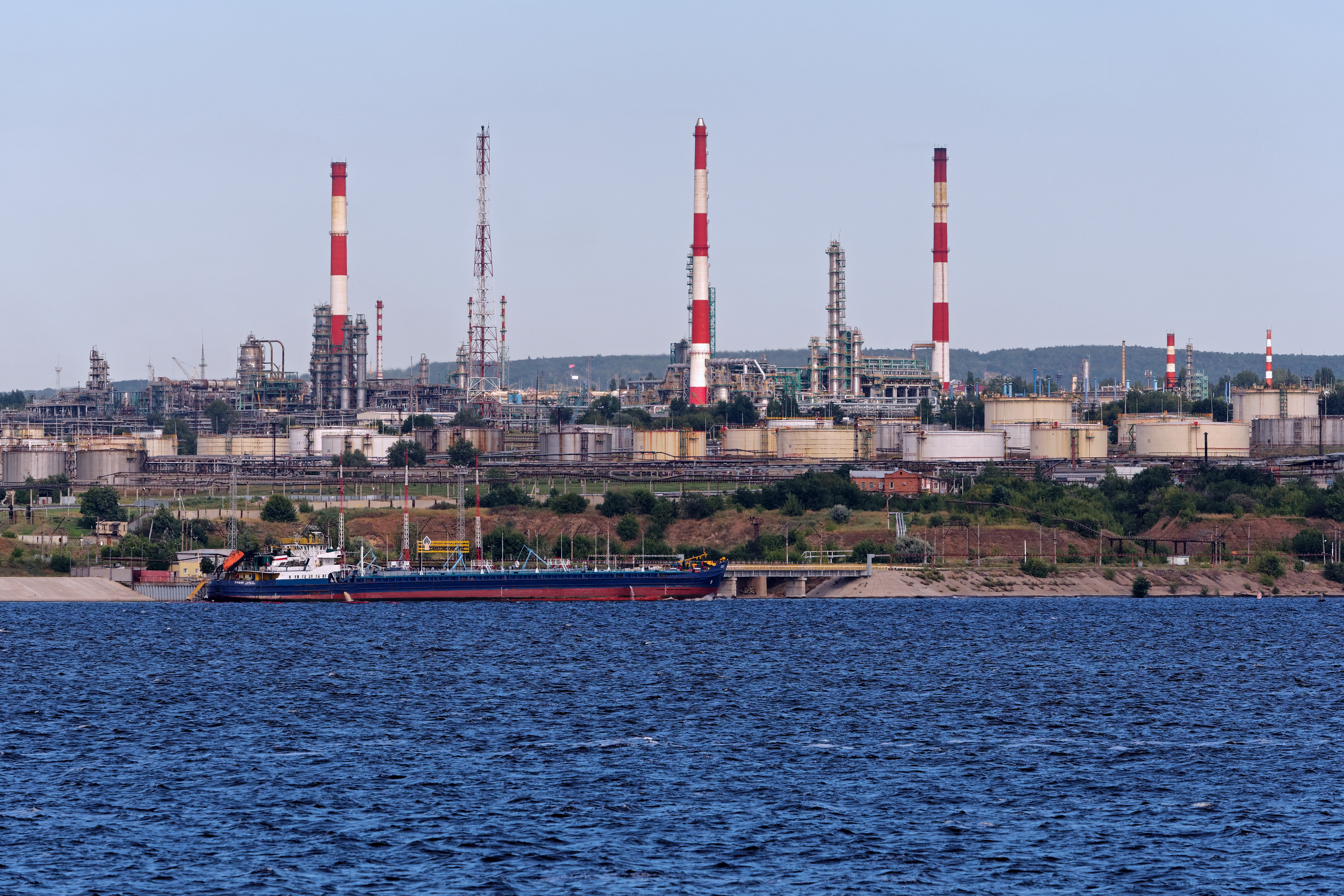
Nearly 30% is the headline figure, but it does not mean Russia has lost 30% of its fuel production. Ukrainian drone strikes since late October reportedly caused operational disruptions or emergency incidents at nine of Russia’s 35 major refineries, according to a November 10 Reuters report citing two industry sources. Those plants represent about 300,000 metric tons per day of nominal crude-processing capacity.

The more consequential estimate is smaller but still substantial: the disruptions could reduce actual processing by as much as 200,000 metric tons per day. The extent of the damage and the timetable for restoring normal operations remain uncertain, making that figure a potential upper-end reduction rather than a confirmed production loss.
Why 30% of capacity is not 30% of output
Russia has approximately 930,000 metric tons per day of primary refining capacity. The affected facilities therefore account for close to one-third of the country’s rated processing footprint described by the industry sources as nearly 30% but rated capacity measures what plants are designed to process, not what they process every day.
At the end of October, Russian refineries were handling about 700,000 metric tons of crude daily, equivalent to approximately 5 million barrels. That was already well below the network’s 930,000-metric-ton nominal ceiling. Refineries may operate below their ratings because of maintenance, operating constraints or prevailing production requirements, so unavailable nameplate capacity cannot be converted directly into an equal loss of output.
If the full estimated reduction of 200,000 metric tons materialized against the late-October processing level, it would equal roughly 29% of actual daily throughput. The operating result could be smaller, depending on how much affected capacity was running beforehand, how quickly units return and whether production can be shifted within the wider network.
This distinction also explains why the affected capacity is estimated at 300,000 metric tons per day while the possible throughput reduction is capped at 200,000. About one-third of the nominal capacity in question was not necessarily contributing to the processing baseline, or may remain available despite disruptions elsewhere at the same facilities.
The pressure reaches fuel distribution first
Refinery disruption affects products rather than Russia’s underlying crude supply. Crude oil that cannot be processed does not immediately replace the gasoline and diesel needed by motorists, freight operators and other consumers. That conversion bottleneck is why refinery availability can matter more to near-term fuel supply than the amount of oil still being produced.
Signs of downstream strain were already visible. A November 9 Reuters account of regional fuel shortages reported rationing or sales limits in at least half a dozen Russian regions. Some restrictions covered both gasoline and diesel, while authorities described the measures as temporary attempts to distribute available fuel evenly and discourage panic buying.
Operators and authorities face a domestic-versus-export allocation problem when refinery runs decline. Keeping more diesel inside Russia can support transport and regional supply, but leaves less product available for international commitments. Maintaining exports instead can deepen pressure on domestic inventories and distribution systems. Earlier shortages had already prompted restrictions on Russian gasoline and diesel exports.
A distributed network creates a readiness burden
The nine reported disruptions span facilities including refineries in Ryazan, Yaroslavl and the Volga region. Without relying on a single plant, repeated drone operations can impose a broad readiness and recovery burden across an industrial network: operators must assess facilities, manage reduced runs and restore production while maintaining supply from unaffected plants.
The important measure is therefore not the number of incidents alone, but how many processing units remain unavailable and for how long. A rapid return at several refineries would narrow the throughput loss. Extended outages or additional disruptions would make it harder for the rest of the network to compensate. Current reporting does not establish that recovery schedule.
The international diesel market offers little cushion. The International Energy Agency’s October Oil Market Report said global diesel exports in September were 700,000 barrels per day lower than a year earlier, with reduced supply from Russia and the Middle East only partly offset elsewhere. The agency expected constrained middle-distillate supplies to persist into 2027.
That backdrop turns an uncertain Russian refinery loss into a broader supply concern. The nearly 30% figure describes the plants touched by disruption; the next decisive number will be the sustained reduction in daily throughput. For now, the estimated ceiling is 200,000 metric tons per day large enough to intensify domestic shortages and complicate diesel exports even if Russia never loses the full rated capacity of the nine facilities.
| More aerospace and engineering stories, right in your MSN feed. Follow AMI on MSN |
By Stephen Wallace — Editor for AMI’s aerospace integration and unmanned mobility coverage, focused on drone manufacturing, VTOL systems, autonomous networks, and air-ground mobility links.