Ukrainian Drones Reportedly Disrupt 30% of Russia’s Refining, Deepening Fuel Shortages
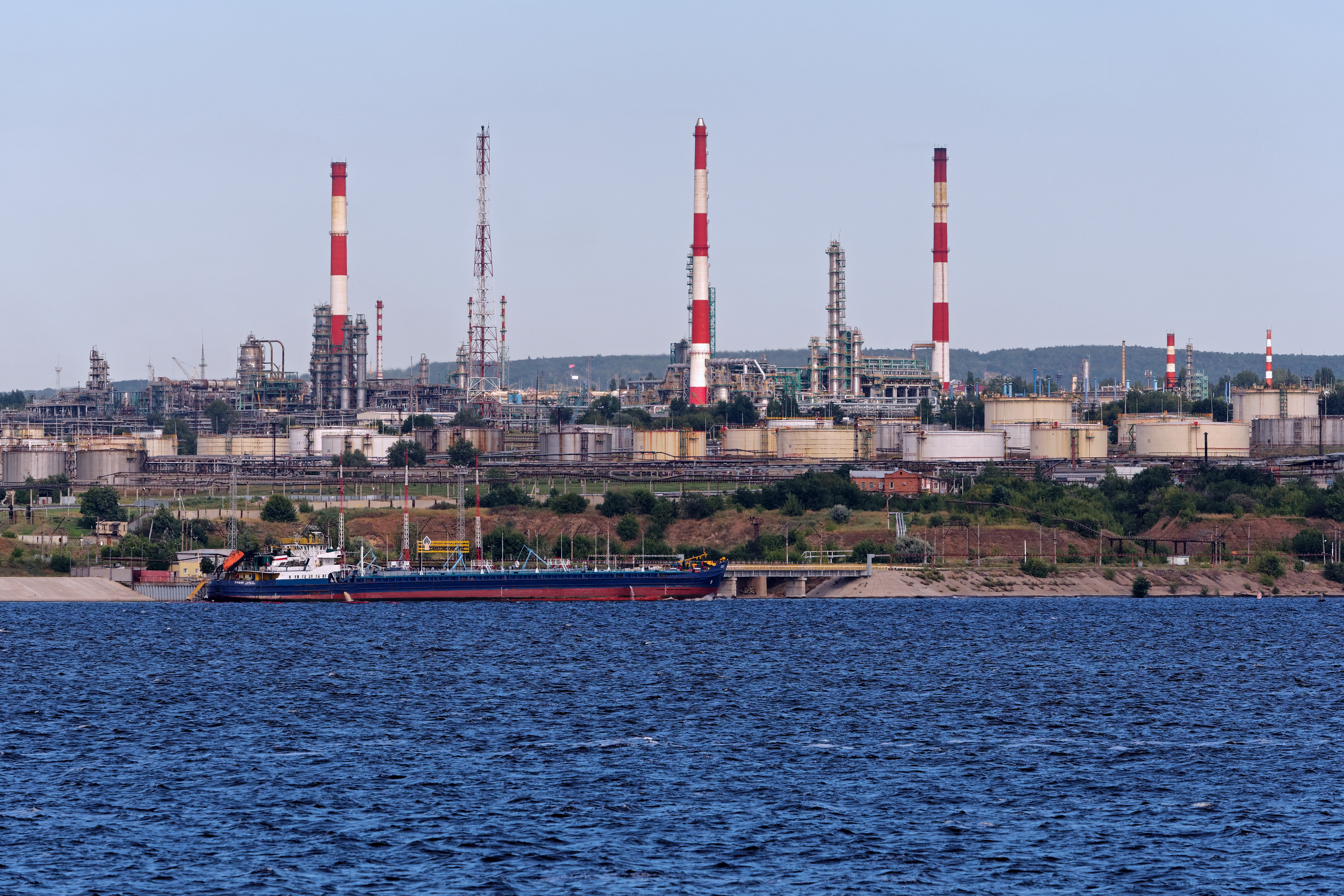
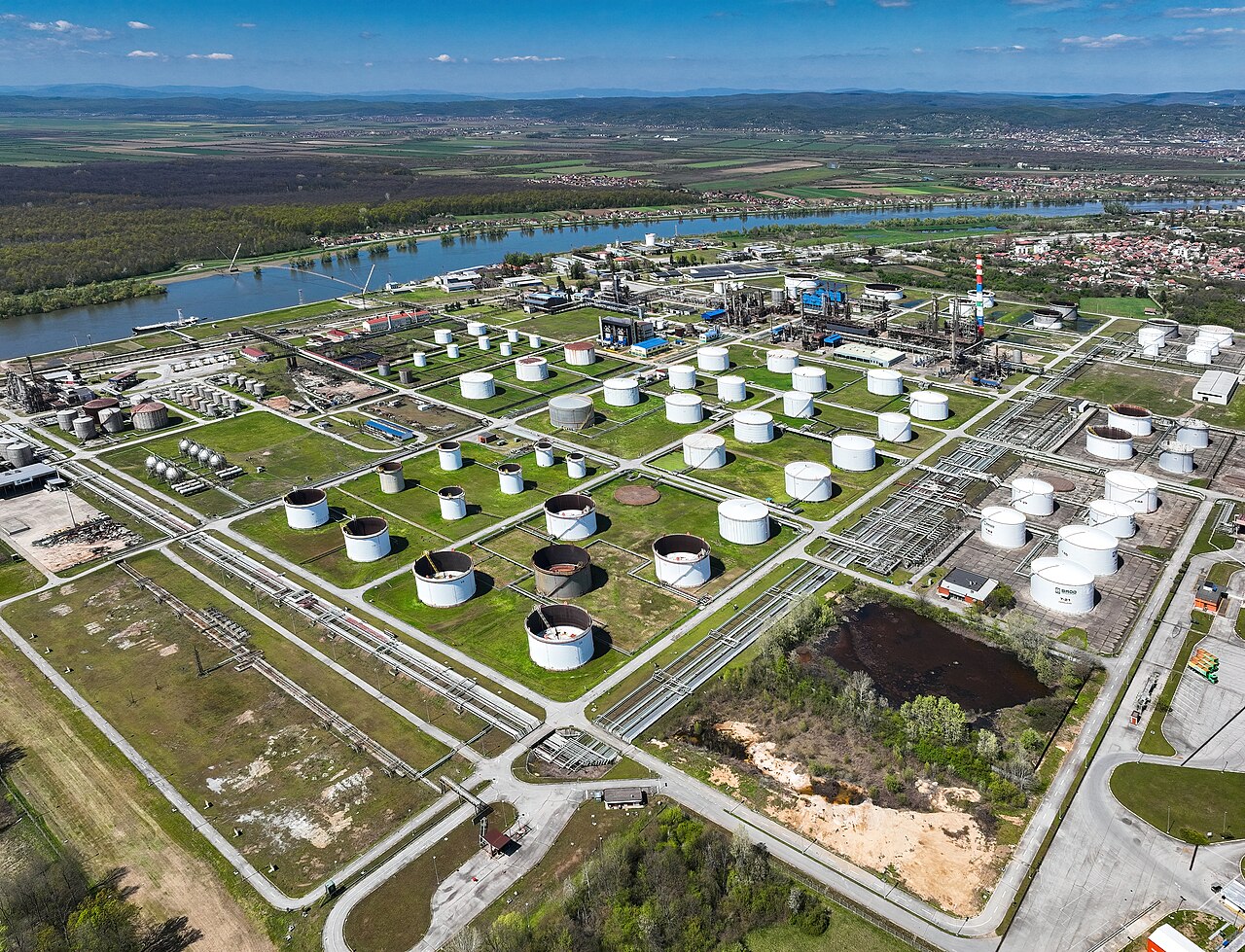
Thirty percent is the figure defining the latest pressure on Russia’s fuel-processing system. Renewed Ukrainian drone attacks since late October have disrupted facilities representing about 30% of the country’s primary refining capacity, according to Reuters reporting based on two unnamed industry sources. The disruption is worsening domestic fuel shortages and making Russian diesel exports harder to maintain.

The estimate is substantial, but its meaning requires precision. It refers to the combined rated, or nameplate, capacity of refineries affected by the attacks not a confirmed loss of 30% of all finished fuel production. Reuters reported that the affected capacity totaled approximately 300,000 metric tons per day, equivalent to 2.2 million barrels, against national primary refining capacity of roughly 930,000 tons per day.
Rated capacity and actual production are different measures
Nameplate capacity describes how much crude a facility is designed to process under specified operating conditions. Actual throughput depends on equipment availability, maintenance, crude supply and how individual processing units are being operated. A refinery counted as affected may be operating at a reduced rate rather than being completely unavailable.
The two industry sources estimated that the actual reduction in Russian crude processing could reach 200,000 tons per day. For context, Russian refineries were processing about 700,000 tons, or 5 million barrels, per day at the end of October. Those figures suggest a production effect approaching the reported 30% share, although the estimate has not been independently verified by a named government agency or refinery operator.
Reuters reported that operational disruptions and emergencies occurred at nine of Russia’s 35 major refineries over one week. The significance lies in the cumulative network effect. Refineries are interconnected industrial systems that turn crude oil into gasoline, diesel and other usable products. Crude production or inventories cannot directly replace unavailable processing capacity; the oil must still pass through functioning refinery units before it becomes road fuel or exportable diesel.
Fuel shortages show the downstream consequence
The effects were already reaching consumers. A separate Reuters account documented fuel shortages in at least six Russian regions, with authorities and Russian media reporting gasoline and diesel sales limits in several areas. Some filling stations capped individual purchases, while certain regions restricted fuel sales in portable containers.
Such controls are an allocation response: they are intended to spread limited supplies, discourage panic buying and preserve fuel for continuing transport and logistics needs. They do not restore processing capacity. The reported shortages therefore provide a practical indicator that refinery interruptions are propagating beyond plant boundaries into distribution networks.
Diesel exports create a competing demand on the same refining system. Maintaining overseas shipments while domestic regions face shortages requires enough operational capacity, inventories and transportation availability to serve both channels. When refinery throughput falls, officials and producers must manage a smaller volume of finished products even if crude remains available.
Repeated drone pressure becomes an industrial-capacity problem
From an unmanned-systems perspective, the central development is not a single strike but the aggregate pressure produced by repeated attacks across a large processing network. Protecting widely separated industrial assets requires sustained detection, response and recovery readiness. The supplied information does not establish how Russian defenses performed at individual sites, but disruptions at nine major refineries in one week indicate a protection and continuity burden extending beyond any one facility.
The same pattern raises manufacturing and maintenance demands. Damaged or interrupted plants need inspections, replacement components, specialized labor and controlled restarts. The available reporting provides no repair schedule, so it remains unclear how quickly the affected capacity can return or whether outages will overlap long enough to sustain the current level of disruption.
The export pressure also reaches an already constrained diesel market. The International Energy Agency’s October 2026 Oil Market Report said global diesel exports in September were 700,000 barrels per day below the previous year. Combined net exports from Russia and the Middle East had fallen by 1.3 million barrels per day, while higher shipments from other suppliers only partly offset those losses.
The IEA expects diesel markets to remain tight well into 2027 and says easing Russian export restrictions is unlikely to change the balance materially when the limiting factor is operational refining capacity. That leaves the duration of refinery recovery not crude availability alone as the key unresolved variable behind the reported 30% disruption.
| More aerospace and engineering stories, right in your MSN feed. Follow AMI on MSN |
By Stephen Wallace — Editor for AMI’s aerospace integration and unmanned mobility coverage, focused on drone manufacturing, VTOL systems, autonomous networks, and air-ground mobility links.