Ukrainian Drone Attacks Push Rosneft Back to 30-Liter Gasoline Limits
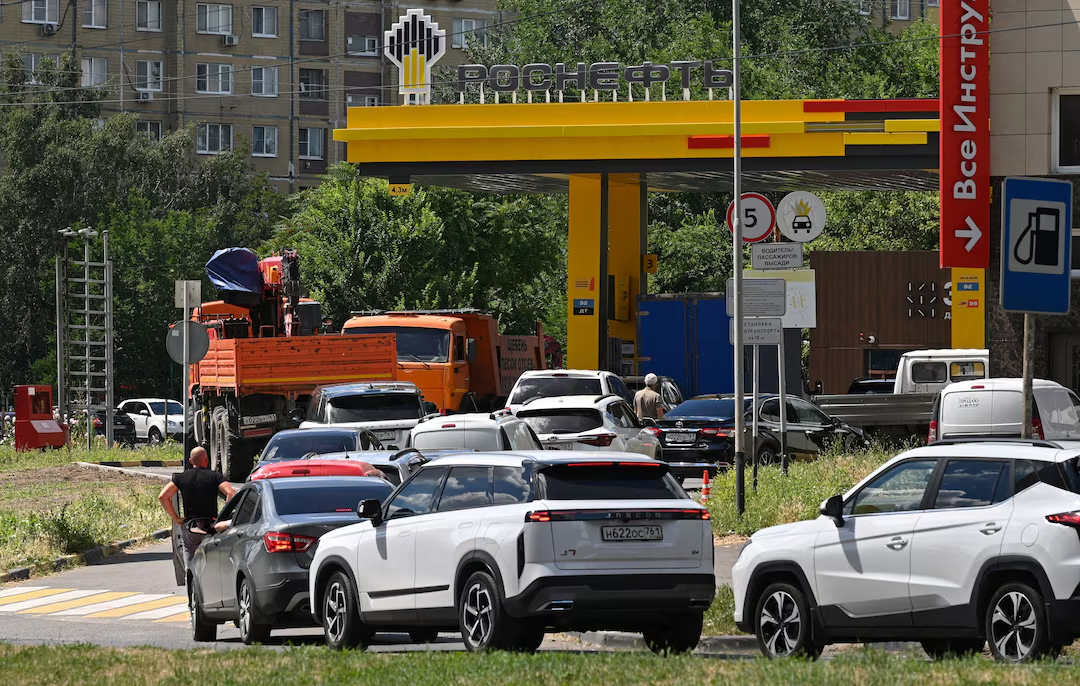
Rosneft reportedly restored gasoline rationing across its Russian filling-station network in November 2026 after renewed Ukrainian drone attacks disrupted refineries. The state-owned oil company is limiting each vehicle to 30 liters at city stations and 50 liters at stations on main highways, only weeks after earlier restrictions were lifted.

Image Credit to Al Jazeera
The reversal moves the impact beyond refinery property and into everyday transportation. Lukoil, Gazprom Neft and Tatneft have also reportedly introduced regional sales restrictions as suppliers contend with a fuel shortage. The extent and geographic coverage of those companies’ limits have not been quantified.
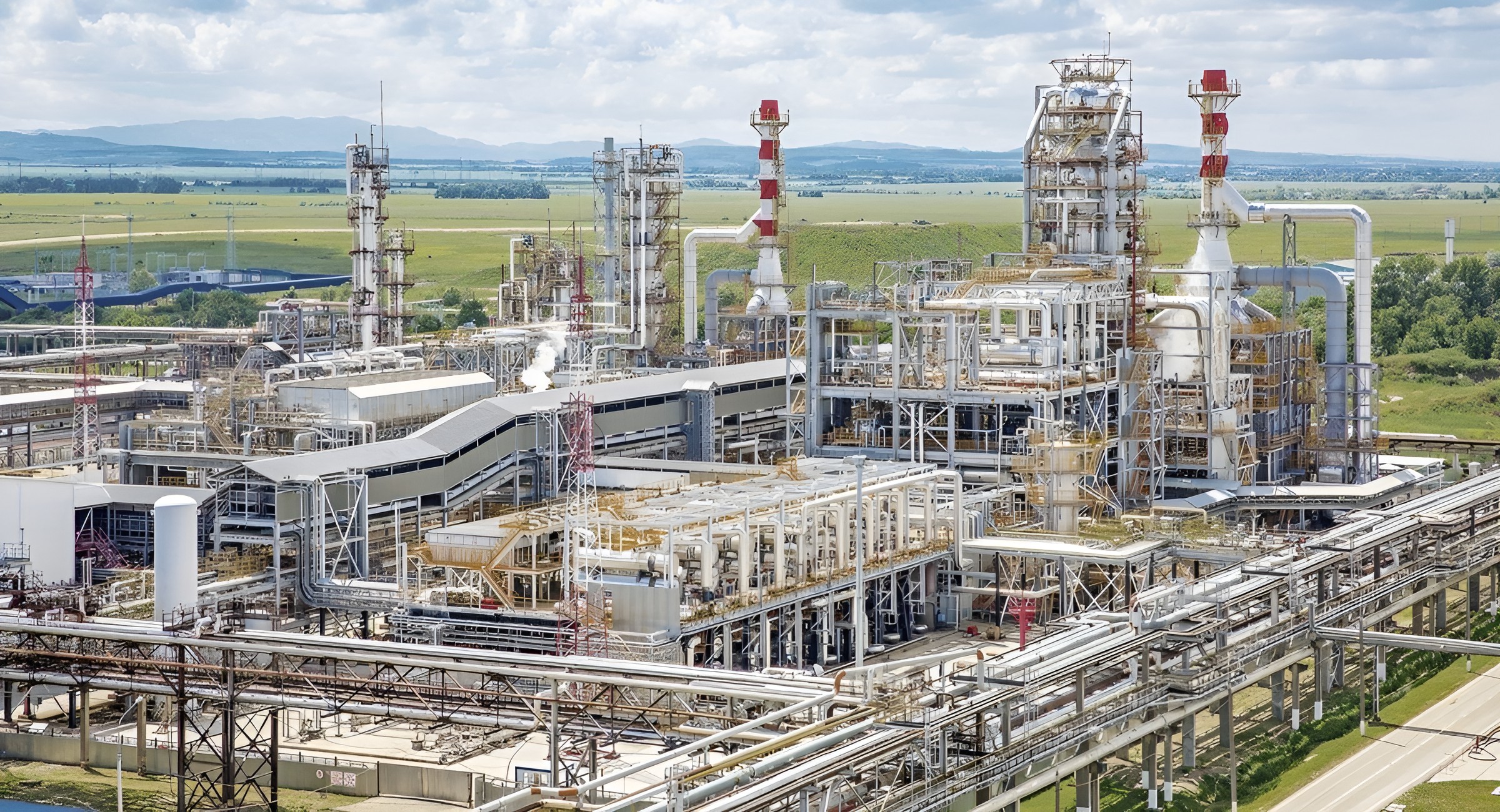
The latest restrictions coincide with reports of large fires and substantial damage at the Kirishi refinery near St. Petersburg. Kirishi is described as one of Russia’s largest refineries, with stated annual processing capacity of 18.4 million metric tons. Reports identify it as the sixth Russian refinery targeted during November, although neither that count nor the reported damage has been independently confirmed.
Why an oil producer can still run short of gasoline
Producing crude oil and supplying finished gasoline are separate industrial functions. Crude must pass through refinery units that separate and convert it into usable fuels meeting the required specifications. A country can therefore continue producing or exporting oil while experiencing a domestic shortage of particular refined products.
The size of a refinery does not reveal the immediate production loss, either. The consequences depend on which units are unavailable, how much unaffected equipment can continue operating and whether production can be shifted to other plants. Current reporting does not quantify Kirishi’s lost output or say how long repairs might take.
An earlier disruption illustrates that distinction. After an October 2025 drone attack and fire at Kirishi, Reuters reported that the refinery halted its largest crude-distillation unit. That unit represented about 40% of the plant’s processing capacity, but industry sources expected other equipment to help the refinery operate at roughly 70% overall. The earlier event does not establish the effect of the reported November 2026 damage, but it shows why total site capacity and actual product loss can differ sharply.
Retail limits protect a shrinking distribution buffer
Refinery disruption does not always produce immediate rationing because the supply chain has buffers. Finished gasoline may already be stored at refineries, terminals and filling stations, while unaffected plants can increase output or redirect shipments. Imports and transfers between regions can also close a temporary gap where logistics and product compatibility permit.
Those buffers are finite. Once deliveries fall below withdrawals, inventories begin declining. Suppliers then face a choice between allowing some stations to sell out or limiting individual purchases to spread the remaining fuel across more customers. Rosneft’s reported 30-liter and 50-liter caps are demand-restraint measures at the final point of sale, indicating that operators are managing product availability rather than waiting for uncontrolled station-level shortages.
The International Energy Agency describes fuel rationing and driving restrictions as established responses to serious oil-supply disruptions. Its oil-security guidance also emphasizes that refined-product stocks can be more immediately useful than crude reserves when refineries or import terminals are disrupted. Stored crude still requires functioning processing equipment before motorists can use it.
Distribution can become the next constraint even when gasoline exists elsewhere. Tank cars, trucks, terminals and regional storage must move the correct fuel to the stations experiencing shortages. Replacing a large refinery’s normal output through longer routes can consume transport capacity and increase delivery times. Regional restrictions by several suppliers suggest that the pressure is not necessarily confined to one company’s forecourts, though available reporting does not establish a nationwide shortage of equal severity.
Drone volume raises a broader industrial problem
Leningrad region Governor Alexander Drozdenko said 113 drones were intercepted across the region during the reported overnight attack. That regional figure does not show how many reached Kirishi, and it cannot by itself measure refinery damage. It does indicate the scale of the detection and interception burden associated with protecting dispersed industrial infrastructure.
The persistence of rationing will depend less on the headline number of drones than on refinery throughput, usable gasoline inventories, repair duration and the distribution system’s ability to replace lost deliveries. Rosneft has not provided a timetable for lifting the reported limits. Until production losses and available stocks are quantified, the clearest measure of the disruption remains the one motorists encounter directly: 30 liters in cities and 50 liters on main highways.
| More aerospace and engineering stories, right in your MSN feed. Follow AMI on MSN |
By Stephen Wallace — Editor for AMI’s aerospace integration and unmanned mobility coverage, focused on drone manufacturing, VTOL systems, autonomous networks, and air-ground mobility links.