GM Recalls More Than 80,000 Vehicles for Brake, Steering Defects
General Motors is recalling 80,095 vehicles in two separate safety campaigns involving the basic systems drivers use to control a vehicle. One covers 67,380 Cadillac and Chevrolet electric vehicles that can temporarily lose braking at low speeds. The other covers 12,715 Chevrolet Express and GMC Savana vans with a steering-gear assembly nut that may not have been tightened during manufacturing. Repairs are free.

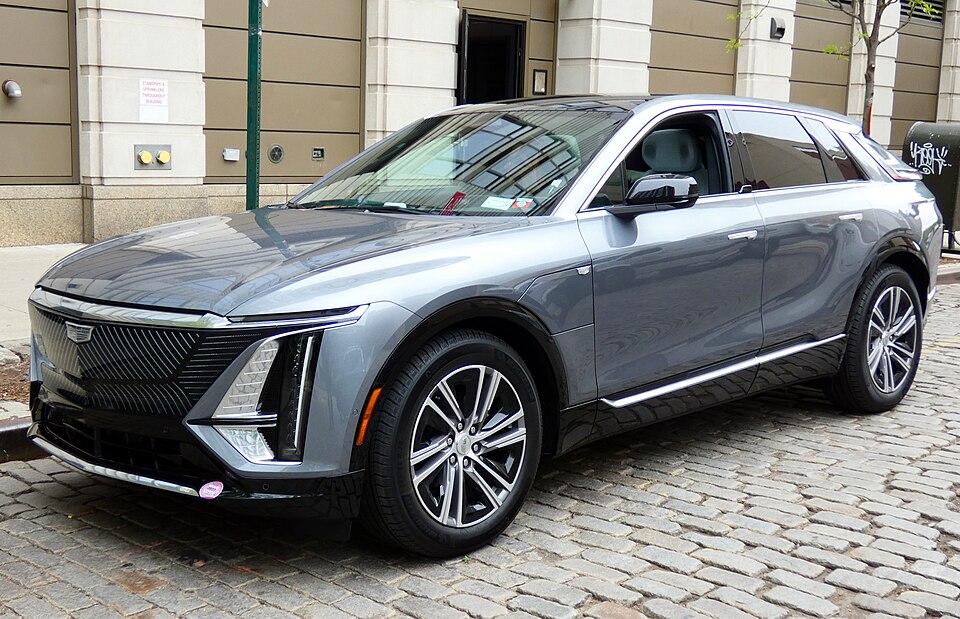
The larger campaign covers 2023-2027 Cadillac Lyriq, 2024-2027 Chevrolet Blazer EV, 2025-2026 Cadillac Celestiq and 2026-2027 Cadillac Vistiq models. According to the recall details for the 67,380 electric vehicles, software in the brake-system control module can misinterpret wheel movement under a specific combination of low speed, light braking, a sharp turn and a bump or depression in the road.
That faulty calculation can produce a temporary loss of braking. GM says normal braking returns on the next press of the brake pedal, but even a brief interruption increases crash risk because it can occur while a driver is maneuvering near driveways, garages or other vehicles. The company identified 24 potentially related field complaints, including 20 minor accidents and two allegations of minor injuries.
Software correction versus hardware inspection
The brake recall is fundamentally a control-software problem. Its remedy is an updated calculation in the brake-system control module rather than replacement of the hydraulic braking hardware. Eligible owners who accept the applicable connected-service terms can receive the update wirelessly; every affected owner can instead have the software installed by a GM dealer at no charge.
The second campaign concerns a mechanical connection in 2025 and 2026 Chevrolet Express and GMC Savana vans. A potentially loose nut in the steering-gear assembly can detach, leading to a loss of steering and a greater crash risk. Possible warning signs include reduced steering precision or a steering wheel that sits off-center while the van travels in a straight line. GM was unaware of crashes or injuries associated with this issue when the recall was described.
The van recall covers 12,715 vehicles: 8,693 Chevrolet Express vans and 4,022 GMC Savana vans. Dealers will compare each steering gear’s serial number with an expanded list of potentially affected components and replace matching assemblies free of charge.
Unlike the brake campaign, this is not a defect that can be corrected remotely. The steering assembly requires a physical inspection, and affected hardware must be replaced. That distinction has practical consequences for owners and fleet operators: the electric-vehicle campaign can be completed through software delivery on eligible vehicles, while the commercial vans must be scheduled for hands-on dealer service.
Both campaigns revisit earlier corrective actions
Each recall also follows an earlier campaign that did not encompass the full condition now identified. GM determined that the new brake behavior could occur in certain performance all-wheel-drive vehicles even after software improvements used for a previous recall. The latest update is intended to address both conditions for affected vehicles.
For the vans, GM had issued an earlier steering recall in June 2026. A later investigation found that 108 potentially defective steering-gear serial numbers had been incorrectly excluded. Consequently, some vans that were previously inspected and cleared may need another inspection under the expanded campaign.
GM expects owner-notification letters for both recalls to begin Dec. 14, 2026. Owners can contact Cadillac, Chevrolet or GMC dealers to confirm whether their vehicle is included and arrange the applicable free remedy. No do not drive or park-outside instruction accompanied the brake filing, but completing the repair remains the step that removes the identified control risk.
The comparison is stark: one defect originates in a software calculation inside an integrated braking controller, while the other involves a nut securing a physical steering component. Different mechanisms and repair paths converge on the same safety requirement drivers must be able to depend on braking and steering every time they command them.
| More aerospace and engineering stories, right in your MSN feed. Follow AMI on MSN |
By Thomas Caldwell — AMI’s senior editor for mechanical and mobility engineering, covering vehicle electronics, systems integration, electrification, chassis systems, propulsion, and safety policy.