State Department Flights to Gainesville Reportedly Cost More Than $1.2 Million
A government aircraft can be mandatory for security reasons even when the trip itself is personal. That combination creates an unusual cost structure: the aircraft, crew and secure communications remain government requirements, while the traveler generally reimburses only the price of comparable commercial airfare.

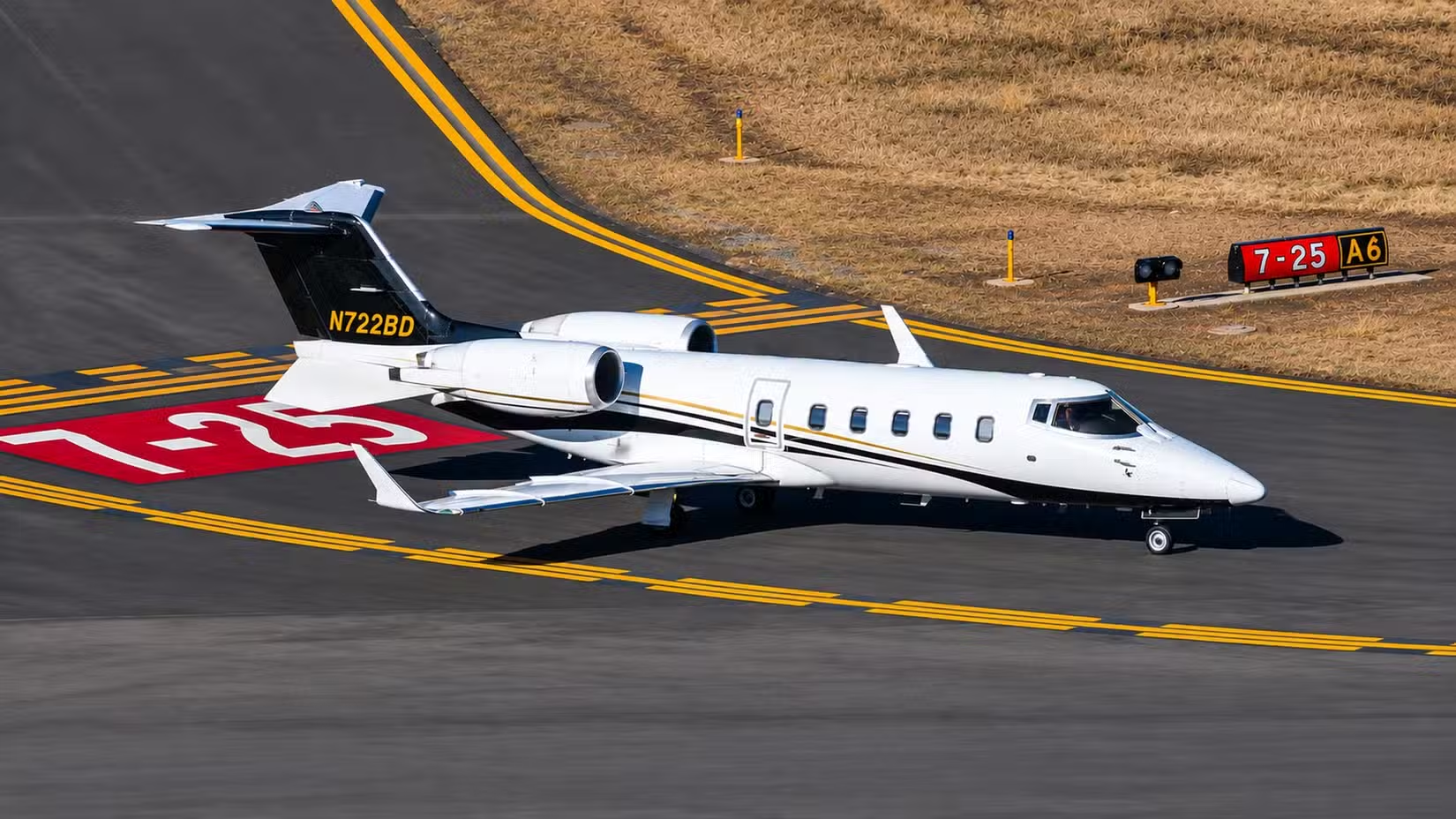
That mechanism is central to a Washington Post analysis published November 11 of Secretary of State Marco Rubio’s travel to Gainesville, Florida. The newspaper reported that Rubio made at least 23 trips there on government aircraft, including 15 the State Department characterized as solely personal. It calculated more than $1.2 million in aircraft operating costs associated with the travel. Neither Rubio nor the department disclosed how much he reimbursed.
The reported flights largely coincided with University of Florida football events involving Rubio’s son. That personal context explains the destinations, but the public-cost issue is broader: how should required-use aircraft be funded when a senior official chooses to travel for private reasons?
Why reimbursement can be far below operating cost
Federal rules separate the cost of operating the government aircraft from the amount owed by a required-use traveler. Under 41 CFR § 301-10.264, an employee taking a wholly personal trip on required-use government aircraft must pay the full coach fare for the trip. For mixed travel, reimbursement is generally the additional full coach fare attributable to the personal activity.
That formula is based on the commercial transportation the official otherwise might have purchased, not on the government’s expense for operating a dedicated aircraft. Operating cost can encompass flight hours, crew and the support needed to preserve the aircraft’s government mission. A coach-fare payment therefore may satisfy the reimbursement rule while covering only a fraction of the government’s expenditure.
The Post calculated approximately $770,600 for the 15 trips classified as solely personal and another $443,900 for seven mixed-use trips. Its estimate applied published Defense Department hourly rates to confirmed travel. One more recent trip was not included because the department had not answered questions about its classification.
The newspaper estimated that comparable round-trip commercial fares between Washington-area airports and Gainesville averaged $820 on game days. It estimated reimbursement at roughly $18,000 for the Gainesville travel, or more than $33,000 if related travel between Washington and South Florida were also treated as personal. Those figures are estimates, not a disclosed payment record; the amount Rubio actually repaid remains unknown.
The aircraft requirement changes the policy calculation
The State Department’s government-aircraft policy generally treats commercial aviation as the preferred option, but permits government aircraft when secure communications, security concerns or exceptional operational requirements make them necessary. Assistant Secretary of State Dylan Johnson said Rubio was required to use military aircraft to maintain secure communications and ensure continuity of operations and government.
This means the choice is not equivalent to an ordinary traveler selecting a private jet over an airline seat. The secure aircraft supports a continuing government function while the official is away from Washington. The remaining discretionary variable is the frequency and destination of personal travel, not the required transportation mode once the trip occurs.
That division also explains the competing public interests. Continuous communications and emergency availability serve the government regardless of an official’s location. Taxpayers, however, bear most of the cost difference when a commercial-fare reimbursement is much lower than the expense generated by repeated dedicated flights.
Experts quoted by the Post said the trips were permitted under federal rules. Cynthia Brown, senior ethics counsel at Citizens for Responsibility and Ethics in Washington, described the matter as “more of an optics issue than a violation.” Rubio said he would continue trying to attend events important to him and his family.
Disclosure is the unresolved systems issue
State Department policy requires government-aircraft travel by senior federal officials and nonfederal travelers to be reported to the General Services Administration in two reporting periods each year. It also says travel records must be made available through written Freedom of Information Act requests, except for information covered by an exemption.
Reporting a trip and disclosing its reimbursement are separate accountability steps. Without the payment amount and the department’s classification for each itinerary, the public cannot reconcile the estimated operating cost, the personal portion and the amount ultimately left to taxpayers.
The policy can legitimately require a secure aircraft and still leave a substantial public bill for personal travel. In this case, the government-aircraft cost has been estimated at more than $1.2 million, but the figure needed to measure the final taxpayer share the reimbursement actually paid has not been released.
| More aerospace and engineering stories, right in your MSN feed. Follow AMI on MSN |
By Thomas Caldwell — AMI’s senior editor for mechanical and mobility engineering, covering vehicle electronics, systems integration, electrification, chassis systems, propulsion, and safety policy.