Reusable Rockets Reshaping Propulsion Market
Rocket propulsion systems form the backbone of modern aerospace vehicles, from orbital launchers to military missiles and specialized aircraft systems. These engines operate on three primary propellant types: solid, liquid, and hybrid. Solid rocket motors, favored for their reliability and high thrust output, remain a staple in applications where simplicity and immediate power are critical. Their inability to restart mid-flight, however, limits flexibility. Liquid-fueled engines, in contrast, offer greater controllability and the ability to restart, but their intricate design and demanding fuel management raise costs and complexity. Hybrid propulsion blends the two approaches, employing solid fuel with a separate liquid oxidizer, and seeks to combine the controllability of liquids with the reliability of solids.

The COVID-19 pandemic disrupted this sector significantly. Lockdowns and restrictions curtailed research and development activities, slowing innovation in propellant technologies. Economic contractions in multiple countries reduced government budgets for space programs, directly impacting propulsion market growth. Travel bans and scaled-back military operations further diminished demand, affecting not only space launch vehicles but also propulsion applications in aircraft ejection seats and pyrotechnics. Analysts anticipate a rebound as restrictions ease, with renewed activity expected to drive demand upward.
Market drivers remain strong. Rising numbers of space expeditions, ongoing advances in propulsion efficiency, and expanding commercial space applications continue to push the sector forward. The emergence of space tourism and the maturation of reusable rocket technology are poised to accelerate growth. Yet, challenges persist. Political tensions between nations can disrupt supply chains and partnerships, as seen when the United States ceased reliance on Russia’s Energomash RD-160 engines following the 2014 geopolitical rift. That decision sharply reduced Energomash’s market share, underscoring the vulnerability of cross-border dependencies. Another concern is the lack of effective measures for disposing of orbital debris, which could hinder sustainable expansion of space operations.
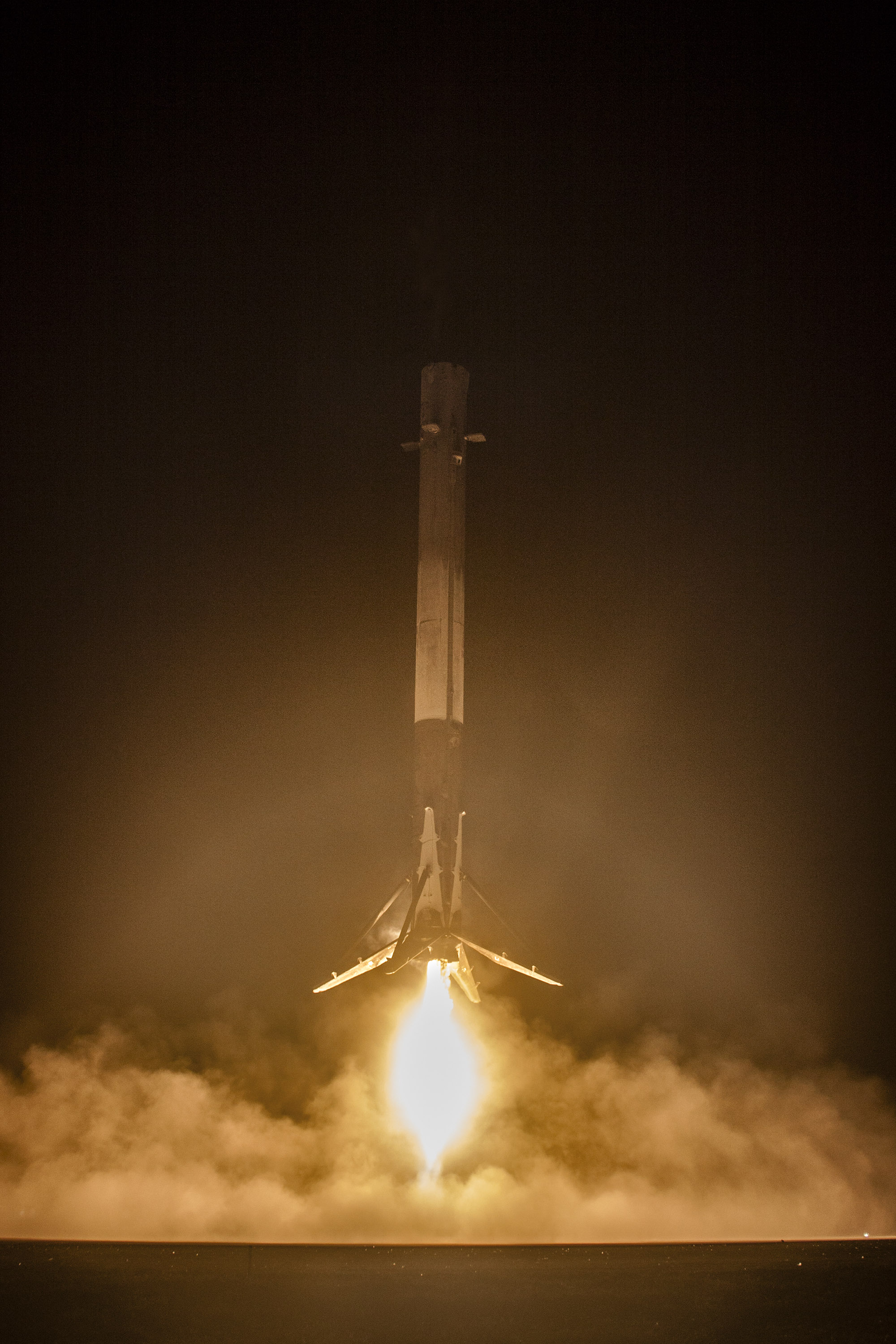
Reusable launch systems represent one of the most transformative developments in propulsion economics. NASA’s demonstration of the Falcon 9 in July 2019 showcased the viability of recovering and reusing major rocket components. SpaceX and Blue Origin have also conducted successful reusable rocket flights. This technology has the potential to cut launch costs from approximately $500 million to $50 million per mission, a reduction that could fundamentally alter market dynamics by making space access more affordable for a wider range of operators.
Government agencies and private enterprises are investing heavily in propulsion R&D, seeking improvements in thrust-to-weight ratios, fuel efficiency, and engine durability. Advances in materials science, such as high-temperature alloys and composite structures, are enabling engines to withstand greater thermal and mechanical stresses. Enhanced manufacturing techniques, including additive manufacturing for complex engine parts, are streamlining production and reducing costs. These developments align with the broader industry trend toward reusable systems, where components must endure multiple flight cycles without significant degradation.
The propulsion market’s competitive landscape includes established players such as Antrix Corporation Limited, Mitsubishi Heavy Industries Ltd., Space Exploration Technologies Corp., Aerojet Rocketdyne, and Safran. Each brings distinct capabilities, from large-scale orbital launchers to specialized propulsion units for defense applications. Porter’s five forces analysis of the sector highlights the bargaining power of suppliers and buyers, the threat of new entrants, and the intensity of competitive rivalry, all of which shape strategic decisions.
While near-term growth may be tempered by lingering economic effects of the pandemic, the long-term trajectory points toward expansion driven by technological breakthroughs and diversified applications. As reusable systems prove their reliability and cost-effectiveness, they are expected to become a central feature of both government and commercial launch operations. Political stability, sustainable debris management, and continued investment in propulsion innovation will be critical factors influencing how the market evolves in the coming decade.