Shanghai STEP Expands Smart Factory R&D in Japan
Founded in 1995 in Shanghai, Shanghai STEP Electric Corporation has built a reputation as a developer and manufacturer of industrial automation systems, with a portfolio that spans welding robots, handling robots, motion control systems, special frequency inverters, and elevator control systems. The company, listed on the Shenzhen Stock Exchange since 2010, employs approximately 2,000 people and maintains operational bases in multiple Chinese provinces as well as in Germany, Hong Kong, Malaysia, and Brazil. Its products, known for high quality and competitive pricing, reach more than 60 export markets.

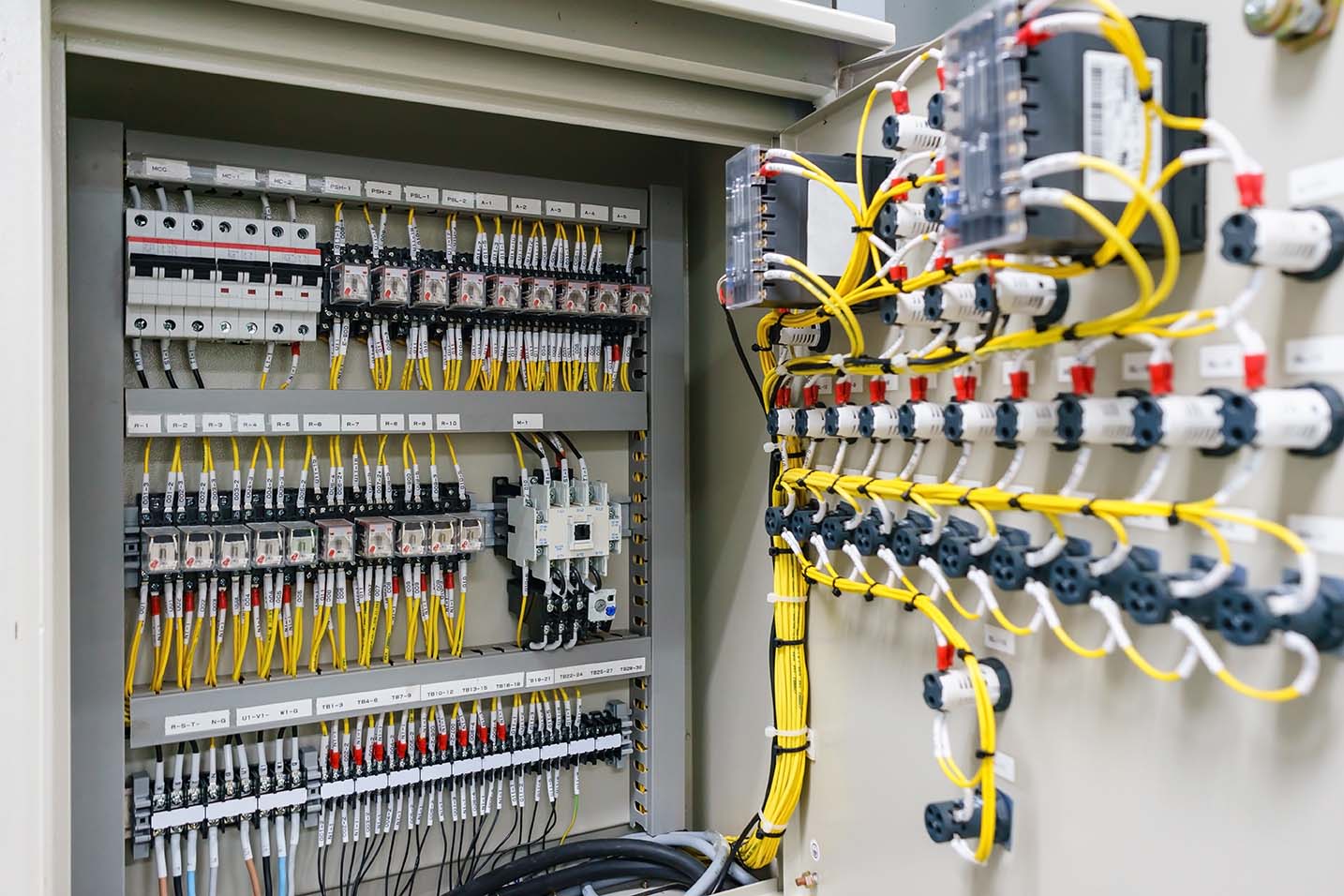
From its headquarters, STEP has already engineered and deployed a wired-network system capable of simultaneous connection and control of multiple small-scale general-purpose robots and other devices operating within a single production line. This system integrates diverse shop-floor equipment into a unified control architecture, enabling coordinated operation and data exchange across machines. Such capability is critical in modern manufacturing, where synchronized motion and precise timing between robotic units can dramatically improve throughput and reduce downtime.
In Japan, the company intends to advance this concept by leveraging local 5G network infrastructure. The next-generation mobile communications system, anticipated to roll out in spring 2020, offers ultra-low latency and high data rates that could transform industrial connectivity. By shifting from wired to 5G-based wireless links, STEP aims to scale up its multi-device control system beyond single lines to entire factory networks, reducing cabling complexity while enabling more flexible reconfiguration of production assets.
To spearhead this initiative, STEP established a Japanese subsidiary, STEP JP K.K., in November 2019 in Kitakyushu City, Fukuoka Prefecture. The subsidiary’s mission is focused on research and development for smart factory solutions. This includes systems capable of simultaneous connection, real-time information collection, and coordinated control across multiple production lines. Additionally, the subsidiary is developing production control and shipping management software, integrating logistics with manufacturing to streamline operations from assembly to delivery.
Smart factory architectures demand robust communication protocols, precise synchronization, and adaptive control algorithms. Integrating these elements over 5G could enable distributed manufacturing cells to operate as a cohesive whole, with machine vision, sensor feedback, and AI-driven decision-making enhancing productivity. For industries such as aerospace, automotive, and precision engineering, such capabilities promise tighter tolerances, faster changeovers, and improved resource utilization.
The choice of Kitakyushu as a base is notable. The city has a history of heavy industry and manufacturing innovation, supported by local infrastructure and technical talent. Establishing operations there positions STEP JP K.K. within a network of suppliers, research institutions, and potential customers receptive to advanced automation solutions.
The Japan External Trade Organization’s Invest Japan Business Support Center (IBSC) played a facilitative role in the company’s entry. IBSC introduced STEP to local governments and service providers, including real estate agencies, certified legal specialists for company registration, and tax accountants. It also provided information on available incentives and consulting services covering registration and taxation. Such support can be critical for foreign firms navigating regulatory requirements and establishing a foothold in a new market.
By combining its existing expertise in multi-robot control with Japan’s emerging 5G infrastructure, STEP is positioning itself to deliver next-generation factory automation systems. The integration of high-speed wireless communication into industrial control networks could redefine how production lines are designed, enabling more modular, scalable, and responsive manufacturing environments. For engineers and technologists, the developments in Kitakyushu offer a case study in how cross-border collaboration and emerging communications standards can converge to advance the state of industrial robotics.