Finnlines Ferries to Feature Wärtsilä Hybrid Power Systems
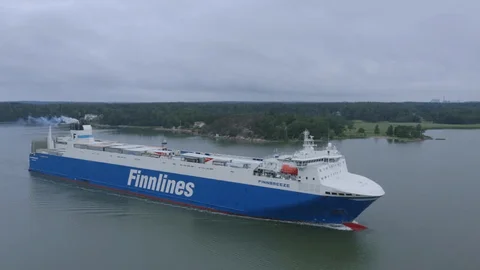
Wärtsilä Corporation has secured a significant contract to supply advanced propulsion and hybrid electric systems for two new ferries under construction at the China Merchants Jinling Shipyard in Weihai, China. Commissioned by Finnlines, part of the Grimaldi Group, the vessels are designed to integrate cutting-edge technical and environmental innovations aimed at redefining efficiency in Baltic Sea transport. The order for Wärtsilä’s main engines was placed in July 2020, followed by additional equipment orders in September 2020.

The ferries, known as ‘Superstar’ class, will operate between Finland and Sweden, traversing the busy Baltic Sea corridor. Each vessel will be equipped with Wärtsilä 46F main engines, precision-engineered thrusters, and a comprehensive electric package. Central to this package is a hybrid shaft generator system featuring a fully integrated Multidrive. This system can drive the shaft generators bidirectionally, functioning as either motors or generators, offering operational flexibility and efficiency. Complementing this are a thruster control system and an advanced energy management system designed to optimize performance under varying load conditions.
A notable feature of the hybrid configuration is its capability to operate with zero emissions while in port, drawing power from onboard batteries or shore-based electrical supply. This aligns with the growing emphasis on reducing maritime emissions in coastal and port environments, where air quality concerns are most acute.
Mikael Lindholm, Head of the Newbuilding Department at Finnlines, emphasized the strategic nature of the investment: “This investment is aimed at energy efficiency and emissions reduction and is part of our intention to lead the development of energy-efficient transport services in the Baltic Sea region. We have Wärtsilä solutions in most of our ships, so we are familiar with the efficiency and reliability they offer.” His remarks underscore the operator’s long-standing confidence in Wärtsilä’s technology portfolio.
From Wärtsilä’s perspective, the project reflects broader industry trends. Mika Ojutkangas, General Manager, Sales, Wärtsilä Marine Power, stated: “High efficiency and sustainable operations are increasingly becoming the key focus areas for ferry operators around the world, and our range of products, systems, and integrated solutions are designed and developed to achieve the highest levels of performance in these areas. This latest Finnlines order is further evidence of the success of this approach. These new ferries will be among the most eco-friendly ferries of their type, setting new standards for sustainability and energy efficiency.”
The vessels will measure 230 meters in length, with capacity for approximately 1,100 passengers and 5,100 lane metres dedicated to rolling freight. This combination of passenger comfort and freight capability positions them as versatile assets for regional transport. The delivery of Wärtsilä’s equipment to the shipyard is scheduled to begin in spring 2022, with operational service targeted for 2023.
Hybrid marine systems, such as those being implemented on the ‘Superstar’ ferries, represent a convergence of mechanical engineering, electrical integration, and control systems design. The hybrid shaft generator system’s bidirectional capability is particularly noteworthy, as it allows for dynamic operational modes that can be tailored to voyage conditions, load demands, and environmental regulations. Energy management systems in such applications monitor and balance power flows between engines, generators, batteries, and shore connections, ensuring optimal efficiency while minimizing fuel consumption.
The integration of thruster control into the broader energy system reflects an understanding that maneuvering operations, especially in port or congested waterways, can be significant energy consumers. By coordinating propulsion and auxiliary systems through a unified control architecture, operators can achieve smoother handling and reduced energy waste.
These developments also highlight the role of shipbuilders and technology providers in meeting International Maritime Organization targets for greenhouse gas reductions. While the Baltic Sea region has its own environmental regulations, the technology being deployed here is applicable to global ferry operations seeking to meet stricter emissions standards without sacrificing performance or reliability.