Philadelphia Proposes 50-Cent Minimum Charge on Every Robot Delivery
Philadelphia wants autonomous services to help fund public transit and offset anticipated tax losses, but its proposal immediately creates two unresolved questions: how much authority the city has over sidewalk robots under Pennsylvania law, and whether operators would pass the new cost to customers.
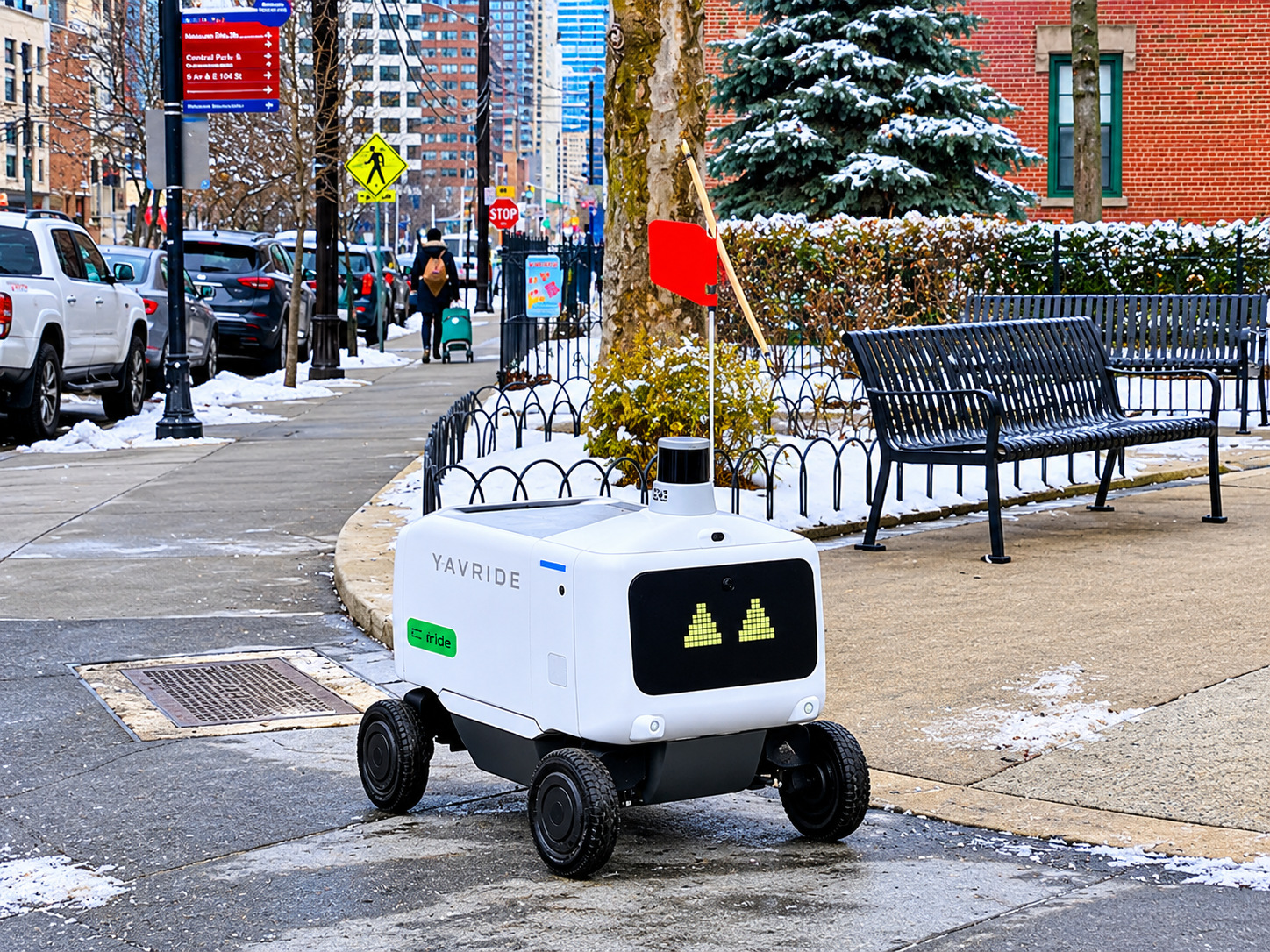
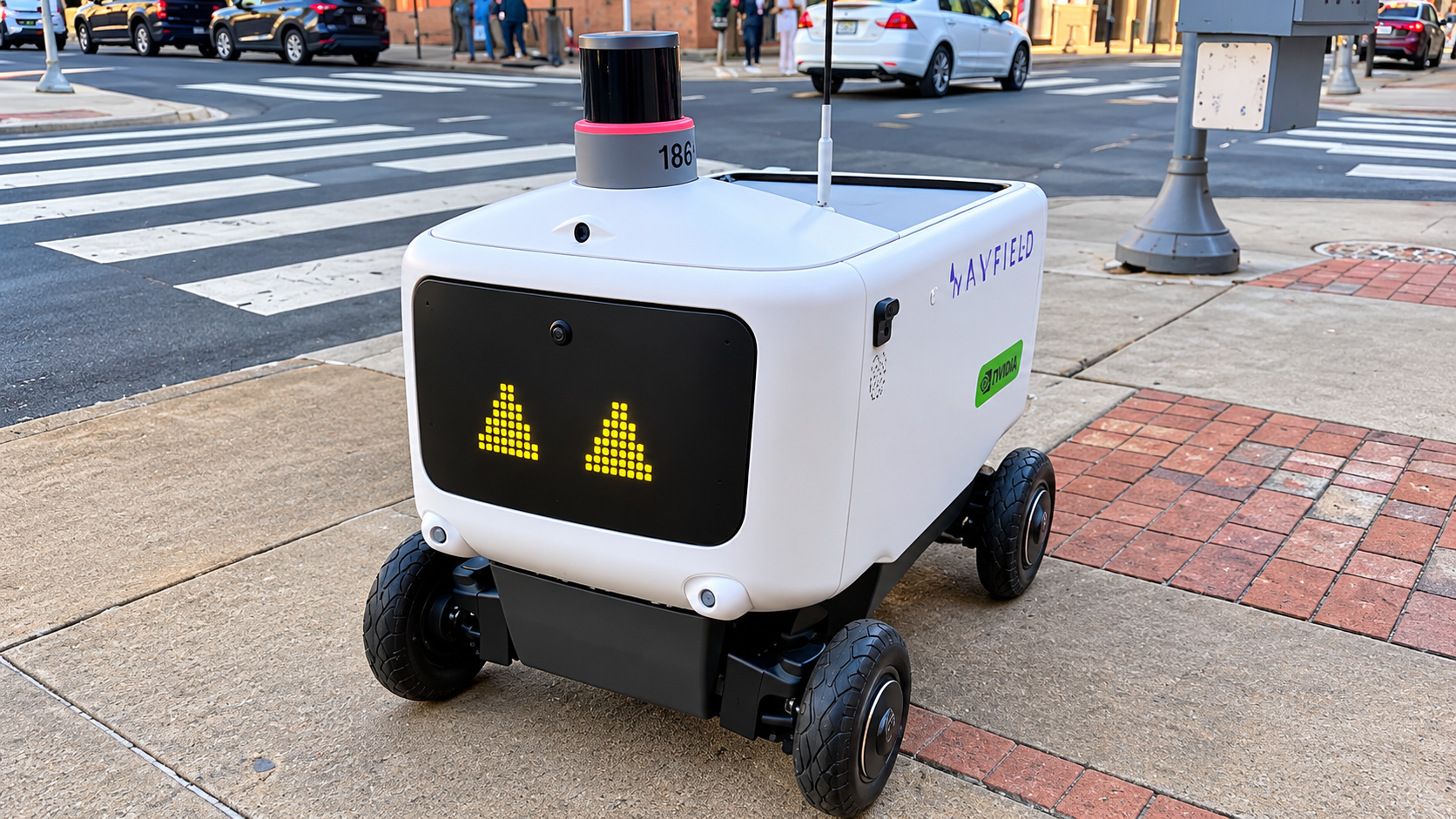
Under legislation proposed by Councilmember Jim Harrity, a sidewalk-robot operator would pay 50 cents per delivery or 5% of the order cost, whichever is greater. A $40 robot-delivered order would therefore generate a $2 charge. An $8 order would incur the 50-cent minimum because 5% would be only 40 cents. The charge is proposed rather than active, and the rates could change in committee.
The measure covers more than the Avride-operated robots used for Uber Eats deliveries in Philadelphia. Driverless taxi services would pay $1 per ride or 5% of the fare, while autonomous freight vehicles would face a 3% tax. Waymo is currently testing driverless cars in the city. Covered operators would also have to register with Philadelphia and submit quarterly reports.
One proposal, three different cost structures
The bill treats delivery, passenger and freight automation as related systems, but it does not apply the same formula to each. Delivery robots face a percentage charge with a 50-cent floor. Driverless taxis face a higher $1 minimum, with the percentage taking over when a fare reaches $20. Autonomous freight receives no stated minimum and would instead be taxed at a flat 3% rate.
Those differences matter because each service has a different transaction profile. The 50-cent floor gives low-value robot deliveries a higher effective rate: on an $8 order, the operator charge equals 6.25%, compared with 5% on a $40 order. A minimum makes revenue less dependent on order size, but it also places proportionally more cost on short, inexpensive transactions.
Nothing currently establishes that operators would add the charge to customers’ bills. They could absorb it, adjust service areas, change delivery pricing or alter how they deploy their fleets. The proposal therefore defines an operator cost, not a confirmed consumer surcharge. Its eventual effect would depend on company pricing and whether autonomous delivery remains economical at the city’s mix of order values and trip lengths.
The reporting requirement may have effects beyond revenue collection. Quarterly filings could give Philadelphia a clearer view of trip volumes and the distribution of autonomous services, depending on what information the final measure requires. That would turn registration into part of the city’s monitoring infrastructure, rather than leaving officials to estimate deployment from robots observed on sidewalks.
Funding transit through automation
Revenue from the proposed charges would support free transit passes for low-income residents. Harrity has framed the measure as a response to potential losses in wage-tax and business-tax revenue when machines take over work previously performed by people. He has also said his preferred outcome would be for the robots to be banned rather than taxed.
That job-loss rationale is a policy position, not a measured finding about Philadelphia’s delivery market. Public-facing robots do not operate without human support: fleet supervision, charging, maintenance, recovery, software operations and regulatory coordination remain part of the system. Research on delivery robots in shared urban spaces similarly describes their operation as a distributed combination of robotic activity, human labor and institutional support. Automation can reconfigure work without removing every person from the delivery chain.
The proposed taxes nevertheless target completed autonomous transactions rather than employment levels. That makes collection comparatively direct: a robot delivery, driverless ride or autonomous freight movement provides the taxable event. It also means an operator could owe the charge regardless of whether its service demonstrably displaced a local worker.
State law sets the boundary
Pennsylvania’s 2020 Act 106 gives the state transportation department regulatory authority over sidewalk delivery devices and limits municipal rules governing their operation. Cities retain some powers, including the ability to ban the devices in places where they consider them hazardous. The Philadelphia proposal tests how far a city can go through taxation and business reporting when its direct operational authority is constrained.
Other cities illustrate the range of possible approaches. Miami Beach requires a $100 annual permit for each robot, liability insurance and an 8 mph speed limit. Los Angeles has used flat permit fees and considered per-trip charges. Washington, D.C., initially permitted Serve Robotics and Coco Robotics in limited zones with fleets capped at 25 devices during their first three months. Chicago’s pilot had 100 robots operating as of February and is scheduled to end in May 2027 unless its City Council acts.
Philadelphia’s measure would not take effect until January 2028 even if approved. Before then, the rates can change, operators can contest the city’s authority, and lawmakers must decide whether a transaction tax designed to recover revenue from automation can coexist with a state framework that reserves much of the control over sidewalk robots to Pennsylvania.
| More aerospace and engineering stories, right in your MSN feed. Follow AMI on MSN |
By Jonathan Barrett — Editor for AMI’s future mobility and autonomous systems section, with two decades covering robotics, e-mobility, drone-vehicle convergence, and transport mechanical systems.