AESC Pushes Ahead with Kentucky EV Battery Gigafactory
Construction of AESC’s $2 billion electric vehicle battery gigafactory in Bowling Green, Kentucky, remains on schedule despite a pause at the company’s similar project in South Carolina. The facility, located in the Kentucky Transpark, is advancing with infrastructure work underway, according to company spokesperson Brad Grantham. “We are continuing to move forward with infrastructure improvements on site,” Grantham told the Daily News.

AESC, formally known as Automotive Energy Supply Corp., is a Japan-based battery manufacturer with a track record of supplying lithium-ion packs to major automakers including BMW, Mercedes-Benz, Honda, and Nissan. The Bowling Green plant broke ground in August 2022 during a ceremony attended by state officials, local leaders, and Governor Andy Beshear. Plans call for a 3-million-square-foot footprint and eventual employment for 2,000 workers.
The company’s other U.S. expansion effort—a $1.6 billion battery plant near Florence, South Carolina—has seen construction halted. As reported by the South Carolina Daily Gazette on June 5, AESC cited “policy and market uncertainty” as the reason for the pause. Grantham reaffirmed the company’s commitment to the Kentucky project, stating, “Though policy and market uncertainty are impacting the industry, AESC remains fully committed to delivering 2,000 jobs and investing $2 billion in the Bowling Green facility.”
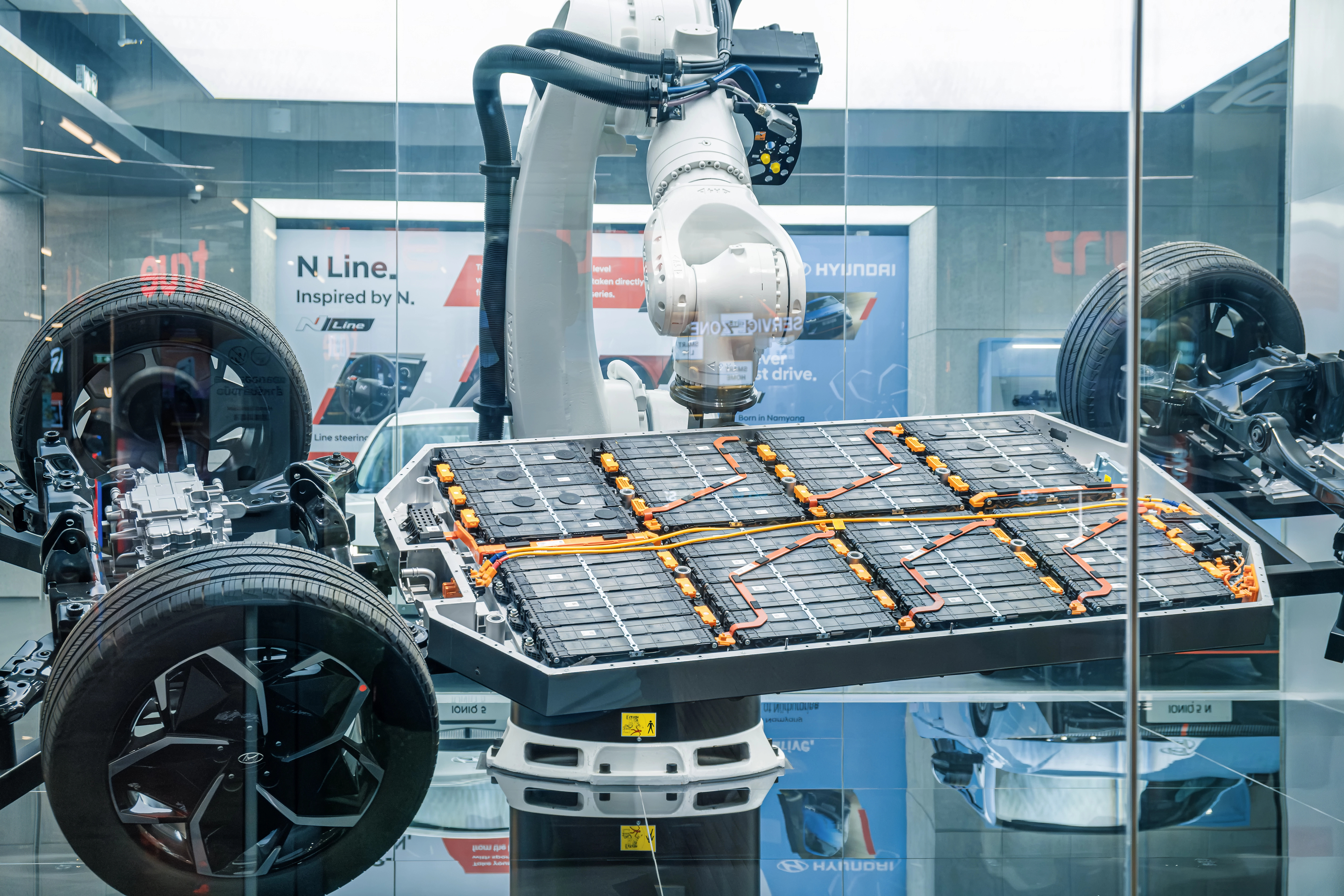
The South Carolina plant, announced two years ago, was expected to employ 1,600 people upon completion. Both sites are part of AESC’s strategy to expand U.S. production capacity for EV batteries, a move driven by rising demand from automakers transitioning to electric drivetrains. Such gigafactories require significant upfront investment in precision manufacturing equipment, cleanroom environments, and advanced quality control systems to meet stringent automotive standards.
The Bowling Green facility has been described by the Daily News as the largest economic development project in southcentral Kentucky’s history and the second-largest in the state overall, surpassed only by Ford Motor Company’s battery plants in Hardin County. For the region, the scale of the investment signals a long-term commitment to advanced manufacturing and workforce development in the clean energy sector.
AESC’s existing U.S. operations include a plant in Smyrna, Tennessee, and offices in Murfreesboro, Tennessee, and California. The Smyrna plant has supplied battery packs for Nissan’s Leaf electric hatchback since its U.S. debut, demonstrating the company’s experience in high-volume EV battery production. Industry analysts note that proximity to automotive assembly plants can reduce logistics costs and improve supply chain resilience—a factor likely influencing the choice of Bowling Green, given its access to major transportation corridors.
The pause in South Carolina underscores the volatility in the EV supply chain, where policy shifts, raw material prices, and consumer demand can quickly alter project timelines. Market uncertainty often stems from fluctuating incentives, regulatory changes, and competition among battery chemistries, including lithium iron phosphate (LFP) and nickel manganese cobalt (NMC) formulations. Manufacturers must balance capacity expansion with risk management, ensuring that new plants can operate profitably under varying market conditions.
In Kentucky, construction crews are continuing site preparation, utility installation, and foundational work. Once operational, the plant will likely integrate automated assembly lines, precision electrode coating processes, and advanced thermal management systems—critical for producing batteries that meet performance and safety requirements for modern EVs. The scale of the project also suggests significant investment in research and development capabilities, enabling AESC to refine cell designs and improve energy density over time.
Regional economic officials have emphasized the importance of training programs to equip local workers with skills in battery manufacturing, quality assurance, and equipment maintenance. Such workforce initiatives are essential for sustaining production efficiency and meeting the high reliability standards demanded by automotive clients.
While the South Carolina delay highlights challenges facing the industry, AESC’s continued progress in Bowling Green reflects both strategic prioritization and confidence in the site’s long-term viability.