Hydrogen Fuel Cell Trucks Edge Toward Heavy-Duty Adoption
Across North America and Europe, the prospect of quiet, zero-emission heavy-duty trucks is moving from concept to deployment. For decades, diesel-powered rigs have dominated freight transport, producing significant noise and emissions. Now, hydrogen fuel cell technology—long discussed but slow to materialize—is being positioned as a viable alternative for the sector.

Hydrogen fuel cell vehicles generate electricity on board by combining hydrogen with oxygen in a chemical reaction, producing only water vapor as exhaust. The absence of combustion eliminates engine noise, leaving only the hum of electric motors. Yuval Steiman, Hyundai’s director of corporate planning, emphasized the benefits: “They’re quiet. The emissions, the environmental impact, the noise – these are really great benefits for just the person that sees it on the road day to day.”
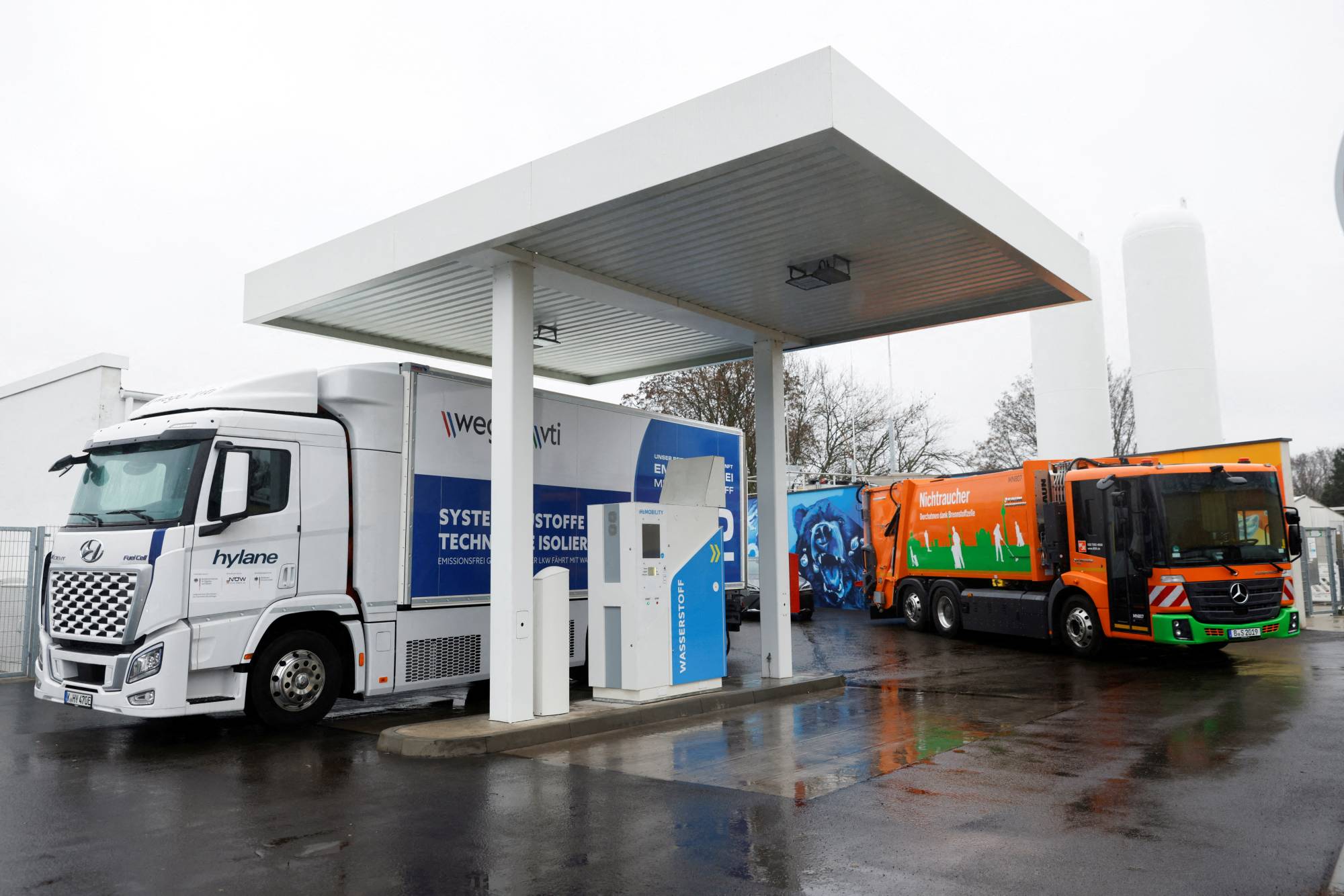
While passenger hydrogen cars have struggled due to sparse fueling infrastructure, heavy-duty trucking offers a more controlled environment. Fleet operators can install hydrogen stations along fixed routes, avoiding the need for widespread public availability. Karl Brauer, an analyst at iSeeCars.com, noted, “Hydrogen, which never made sense to me as a consumer powertrain, makes complete sense as a heavy-duty commercial powertrain.”
The truck manufacturing industry, with projected 2020 revenues of $27.5 billion and over 25,000 employees, faces a potential shift in powertrain sourcing, workforce skills, and regulatory compliance. Several manufacturers are advancing hydrogen projects. Toyota, already the leading U.S. seller of hydrogen cars with its Mirai sedan, has partnered with Hino to develop fuel cell semitrucks for North America, integrating Mirai’s technology into Hino’s chassis. Andrew Lund, Toyota’s chief engineer for heavy-duty trucks, stated, “We’re at that tipping point. The technology has proven to be available.”
Hyundai has delivered its Xcient hydrogen trucks to Swiss customers and plans to scale production to 2,000 units annually by 2021. The company is investing $1.3 billion in U.S. hydrogen infrastructure, aiming to be “the world’s first company to mass produce heavy-duty fuel cell trucks,” according to Steiman. Hyundai’s vision extends beyond vehicles, viewing hydrogen as a foundational energy source for multiple applications.
In Europe, Volvo and Daimler have formed a joint venture to produce hydrogen fuel cells for trucks and other uses. Daimler’s Mercedes-Benz GenH2 Truck concept promises up to 621 miles per tank, with customer trials slated for 2023 and production in the latter half of the decade.
Startup Nikola has attracted attention with plans for the Nikola Two and Tre hydrogen trucks, alongside a strategy to bundle vehicle leasing, hydrogen fuel supply, and infrastructure installation. CEO Mark Russell asserted that Nikola can deliver hydrogen at $2.50 per kilogram, roughly energy-equivalent to a gallon of diesel. “We don’t have any ambition of trying to do everything ourselves,” Russell said. “We’re taking the path of partnerships.” However, the company has faced scrutiny following allegations by Hindenburg Research of misleading claims, leading to founder Trevor Milton’s departure and ongoing federal investigations.
The economic challenge remains significant. In 2019, hydrogen in California averaged $16.51 per kilogram, far above diesel’s cost. Yet, advocates point to falling prices and regulatory drivers such as California’s planned 2035 ban on gas-powered vehicles. “You’ve got jurisdictions all over the world actually – cities, counties, provinces, states, and even nations are putting outright bans on fossil fuels on their books,” Russell said.
Toyota’s Lund highlighted the strategic advantage in trucking: “You know where to put the stations. We already see the truck routes.” He also suggested that existing fuel stations could adapt to hydrogen as adoption grows: “We already have a fueling infrastructure throughout the world. It’s just a matter of changing it out. It all depends on the adoption rate.”
As manufacturers, analysts, and policymakers converge on hydrogen’s potential, the technology’s suitability for long-haul trucking is becoming clearer. Fixed-route operations, centralized refueling, and high utilization rates align well with fuel cell capabilities, offering a pathway for hydrogen to finally gain traction in a segment where efficiency and emissions are under increasing scrutiny.