Cobots Accelerate Global Industrial Robotics Growth
Frost & Sullivan’s latest analysis projects a sharp expansion in the global industrial robotics market, with revenues expected to climb from $22.2 billion in 2020 to $38.3 billion by 2024, representing a compound annual growth rate of 12.2%. The sector faced headwinds during the COVID-19 pandemic, particularly from uncertainty in the automotive industry, yet momentum is returning as demand surges in pharmaceuticals, food and beverage, and electrical and electronics manufacturing. Pharmaceuticals lead the growth trajectory, forecasted to expand at 17.2% CAGR from 2019 to 2024, reaching $3.33 million by the end of that period. Food and beverage follows closely at 15.8%, with electrical and electronics at 15.1%.

Asia-Pacific remains the epicenter of industrial robotics adoption, with revenues projected to reach $25.08 billion by 2024. China, Japan, and South Korea are the primary drivers of this regional dominance, leveraging advanced manufacturing ecosystems and strong governmental support. Europe holds the second position, propelled largely by Germany’s automotive sector; Germany ranks fifth globally in industrial robot deployment. North America’s emphasis on production automation and reshoring of manufacturing operations places it third, with expected revenues of $6.19 billion by 2024.
“The global battle against the COVID-19 pandemic has proven to be a strong use case for industrial robots, which helped assure business continuity,” said Nandini Natarajan, Industry Analyst at Frost & Sullivan. She noted that while 2020 saw reduced investments, demand is set to rise sharply from 2021 onward. The emergence of low-cost robots and innovative business models such as Robots-as-a-Service (RaaS) is anticipated to broaden adoption among small and medium enterprises.
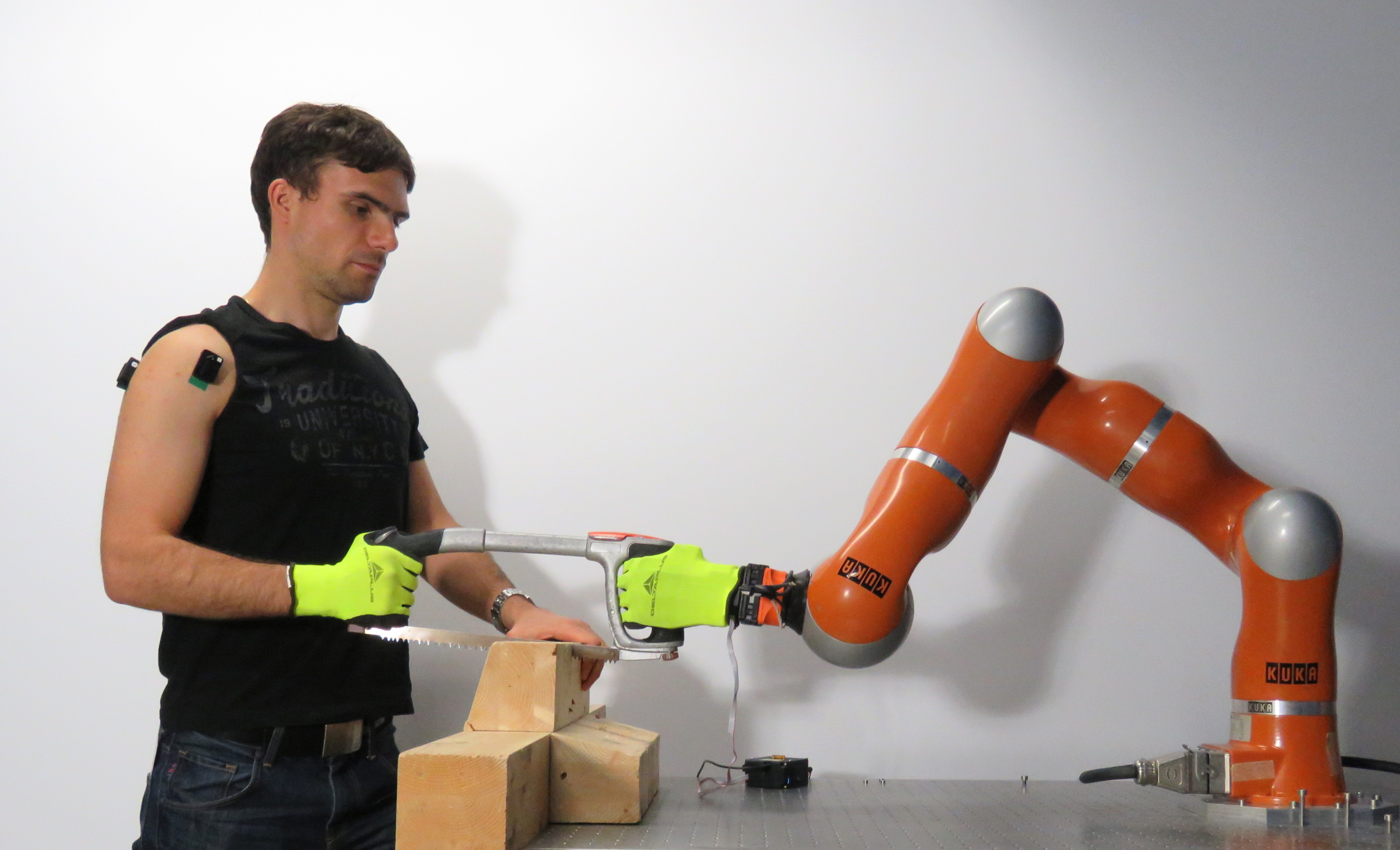
Collaborative robots, or cobots, are at the forefront of this transformation. Their appeal lies in utility, ease of installation, and steadily decreasing price points, making them accessible for diverse applications. Natarajan emphasized, “Collaborative robots (cobots) are experiencing rapid market growth thanks to their utility, ease of installation, and consistently decreasing price, making them an affordable and viable solution for a wide range of applications.” Cobots are forecasted to be the fastest-growing segment by 2024, with a CAGR of 32.8% from 2019 to 2024, reaching $1.78 million in global revenues. Advances in 5G and edge computing are expected to enhance their flexibility and streamline implementation.
Strategic opportunities identified in the analysis include embedding vision and machine learning capabilities into robotics systems. Lightweight, energy-efficient embedded systems that can be retrofitted into existing platforms will be critical. Integrating technologies such as 3D perception and deep machine learning can unlock sophisticated machine vision applications, enabling robots to adapt to complex, dynamic environments.
Another priority is the development of smart robot grippers designed for safe human collaboration. As industrial robots shift from replacing human labor to working alongside it, end-of-arm tooling providers must create prototypes equipped with advanced sensors capable of detecting human presence and movement. This evolution in gripper design enhances safety and expands the range of tasks cobots can perform in shared workspaces.
The deployment of 5G and edge-based artificial intelligence is poised to redefine robotic autonomy. Low-latency communication will enable real-time decision-making, while edge AI allows data processing directly on the robot, eliminating delays associated with cloud transmission. This local processing capability is essential for secure, responsive operation in time-critical applications.
These technological and market trends underscore a decisive shift in industrial robotics toward greater adaptability, collaboration, and intelligence. The rapid rise of cobots, supported by enabling technologies, is reshaping manufacturing landscapes across continents.