Vietnam’s Push Toward Smokeless Mobility and Hydrogen Cars
At a recent seminar on the automobile industry’s multi-dimensional approach to carbon neutrality, experts agreed that Vietnam’s transition to electric vehicles (EVs) is accelerating. Nguyen Thi Phuong Hien, deputy director of the Transport Development and Strategy Institute, reported that by December 31, 2022, the country had registered 5.85 million cars and over 72 million motorbikes. Among these, green energy cars—comprising electric, hybrid, and externally charged hybrid models—numbered 11,000, while electric motorbikes had reached 2 million, marking a sharp increase compared to previous years.

In 2019, Vietnam’s green energy car market was dominated by small volumes of imported hybrids and plug-in hybrids. By 2020, the combined total of EVs and hybrids stood at just 550 units. This figure rose to 2,400 in 2021, and in 2022, an additional 8,000 EVs were registered. Industry observers attribute much of this growth to VinFast’s launch of its VF e34 in late 2021, accompanied by the rollout of a nationwide charging network exceeding 1,000 stations.
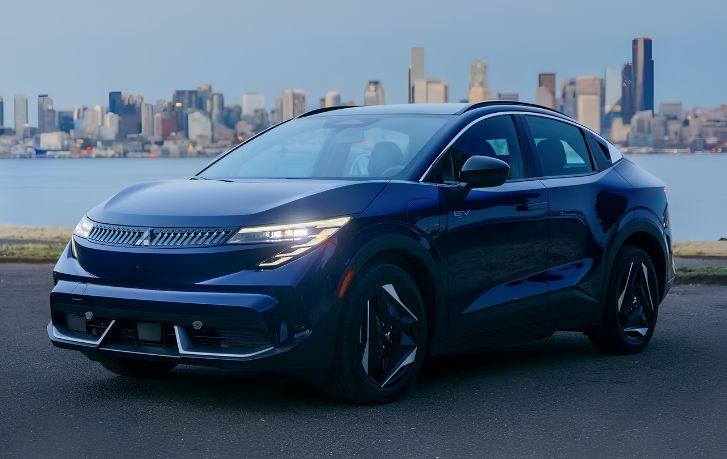
VinFast’s strategic pivot was underscored in July 2022 when the company ceased production of gasoline-powered cars to focus exclusively on EV development, introducing models such as the VF8, VF9, and VF5. In the first half of 2023 alone, VinFast sold 11,315 EVs. The market has also seen entries from Hyundai with its Ioniq 5, Mercedes-Benz with the EQS, Porsche with the Taycan, and Wuling with the Hongguang Mini EV, spanning price points from VND239 million to VND5.7 billion. Approximately ten new EV models are slated for release this year, including the Mercedes-Benz EQB, EQE, and EQS SUV, KIA EV6, VinFast VF3, and Haima 7X-E.
Nguyen Trung Hieu, head of business planning at Toyota Vietnam, confirmed that Toyota will continue prioritizing hybrids over the next decade but noted that an EV model will soon be introduced to the local market.
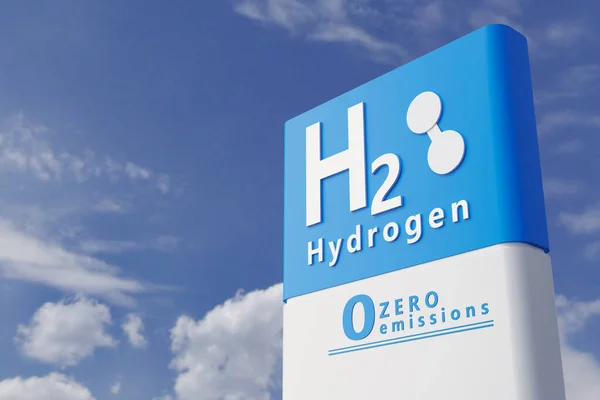
Vietnam’s commitment to achieving net-zero greenhouse gas emissions by 2050, reinforced by the Prime Minister’s Decision 876, reflects a strong national drive toward a smokeless automobile industry. Yet EVs are not viewed as the sole pathway. State agencies and technical experts are also evaluating hydrogen fuel cell electric vehicles (FCEVs) as part of the carbon neutrality strategy.
Dam Hoang Phuc, director of the automotive technical training program at Hanoi University of Science and Technology, highlighted that FCEVs combine the advantages of EVs and internal combustion engine vehicles. “Zero CO2, good acceleration capability and fast fuel charging,” he said, summarizing the appeal. Hydrogen engines can achieve energy conversion efficiencies of 60–70 percent, significantly higher than conventional combustion engines, translating into fuel savings and reduced operating costs. Moreover, hydrogen refueling takes only minutes, enabling long-range travel without the extended charging times associated with battery EVs.
Energy in hydrogen vehicles is stored as compressed gas, making it readily accessible for propulsion over longer distances. However, the technology faces substantial hurdles. The production, storage, and distribution of hydrogen remain costly, and the fuel particulate systems in hydrogen vehicles demand more frequent and complex maintenance than traditional drivetrains. Hieu noted that while Vietnam does produce hydrogen, most is exported, and constructing a standard hydrogen refueling station can cost up to $2 million.
Toyota introduced its hydrogen-powered Mirai in 2015 and has continued production despite other manufacturers scaling back due to high costs and manufacturing challenges. The second-generation Mirai, launched in Japan in late 2020, was priced between 7.1 and 7.9 million yen, with hydrogen fuel itself costing more than electricity or gasoline.
Debate persists among experts regarding hydrogen’s role in future mobility. EVs tend to attract younger Vietnamese consumers drawn to advanced technology, while other customer segments remain cautious due to concerns over range limitations, charging infrastructure, and lengthy charging times. These issues, proponents argue, could be mitigated by hydrogen vehicles, which offer rapid refueling and extended range.