Engineering Services Power Next-Gen Automotive Innovation
The global automotive engineering services market, valued at USD 164.9 billion in 2023, is projected to reach USD 333 billion by 2032, growing at a compound annual rate of 8.2%. This expansion is driven by a convergence of sustainability goals, regulatory pressures, and rapid technological change. Lightweight materials such as advanced composites and high-strength steel are central to improving fuel economy and reducing emissions, but their adoption demands specialized expertise in material selection, design optimization, and structural analysis.

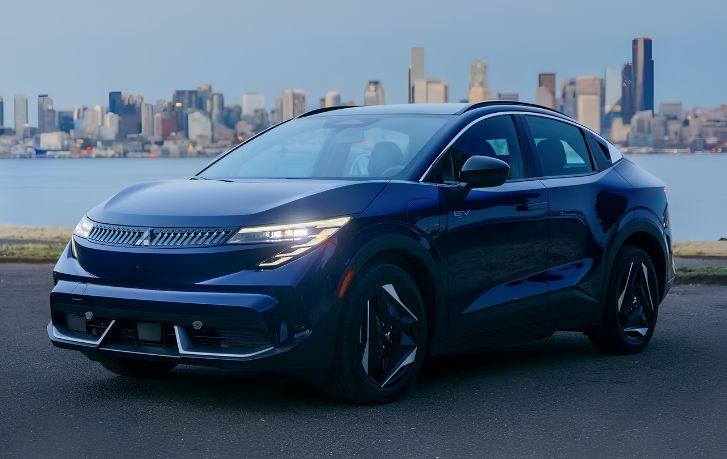
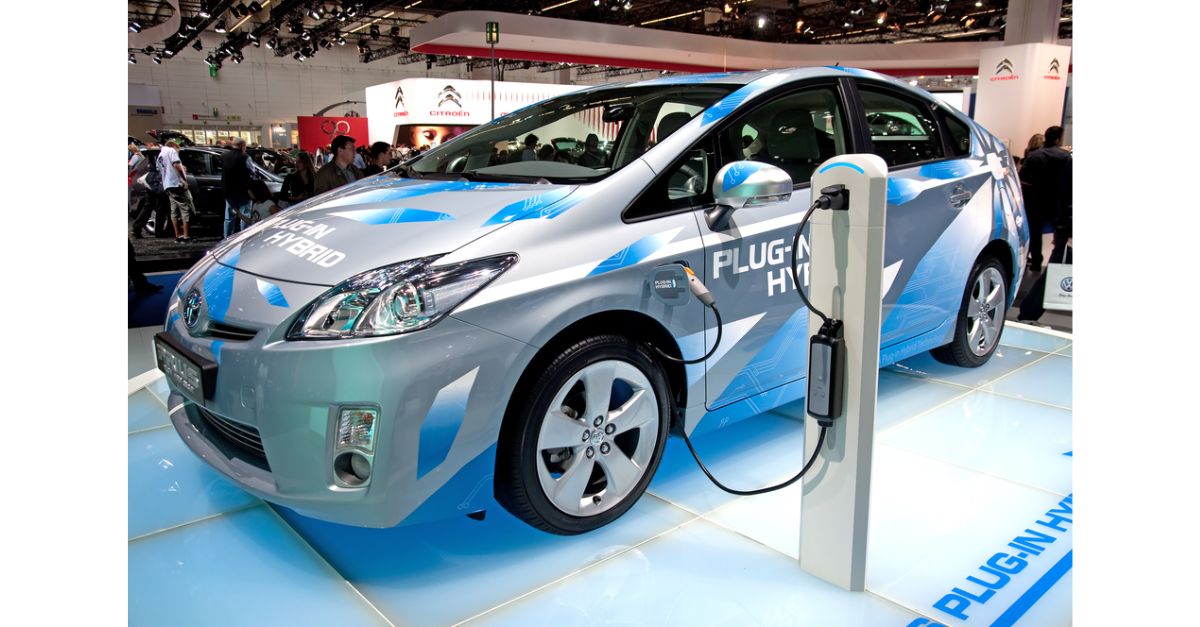
Electric vehicle growth is a defining force. Statista projects worldwide EV market revenue to hit USD 786.2 billion in 2024, underscoring the scale of transformation. Manufacturers are investing heavily in hybrid and electric drivetrains, requiring advanced engineering services to balance performance, safety, and cost while meeting stringent environmental regulations. Engineering firms are responding with tailored solutions that align with both consumer expectations and compliance mandates.
Customization is another strong driver. Consumers increasingly seek bespoke interiors, advanced infotainment systems, and performance enhancements. This demand compels automakers to adopt flexible design and manufacturing processes, supported by modular architectures and software personalization. Digital engagement tools allow manufacturers to capture detailed customer preferences, further fueling personalized offerings and expanding the role of engineering services.
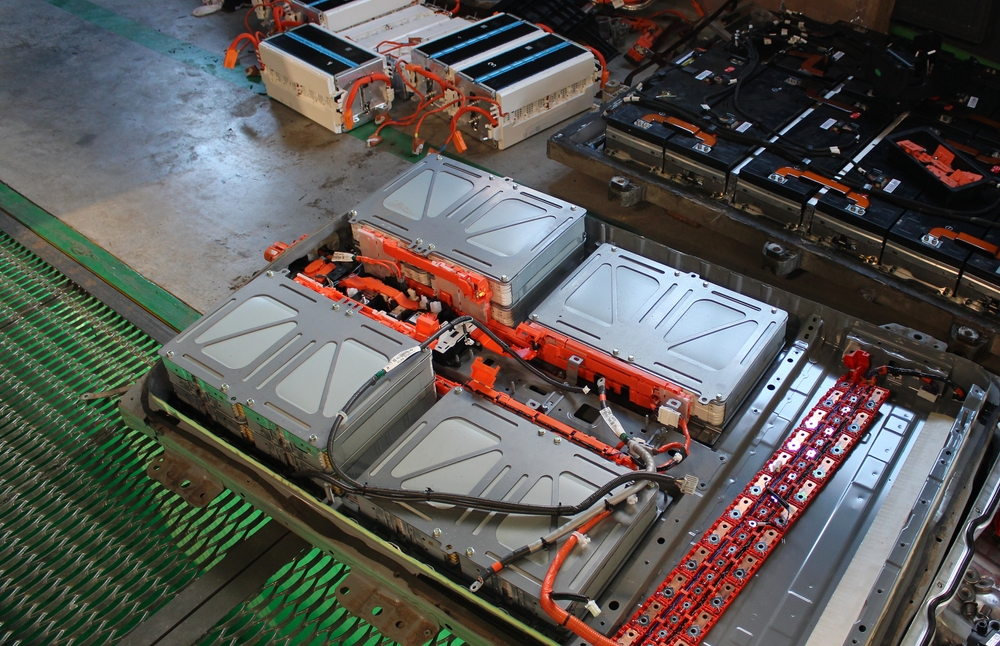
Technological advances in electric and hybrid vehicles are reshaping service requirements. Expertise in battery technology, power electronics, and energy management systems is essential as automakers transition from internal combustion to electrified powertrains. Autonomous driving technologies add complexity, requiring sensor integration, software development, and system validation. Connectivity innovations, including vehicle-to-everything (V2X) communication, intensify the need for sophisticated engineering support.
Cost constraints remain a significant challenge. High investment requirements for advanced technologies and skilled personnel can limit R&D spending, slowing innovation. Compliance with rigorous safety and environmental standards adds further financial strain, particularly for smaller firms. These pressures sometimes lead to outsourcing, which can introduce quality risks and extend timelines.
In-house engineering services accounted for over 55% of the market in 2023 and are expected to exceed USD 185 billion by 2032. Manufacturers favor in-house capabilities to maintain control over design, development, and testing, ensuring alignment with proprietary standards and fostering cross-department collaboration. This approach mitigates intellectual property risks and supports faster, more integrated product development.
Passenger cars dominate the market, holding around 64% share in 2023. Rising demand for personal mobility, coupled with investments in electric and autonomous technologies, drives the need for extensive engineering services. Compliance with safety and environmental regulations, along with evolving infotainment and connectivity features, further strengthens the segment’s position.
Regionally, Germany is set to surpass USD 44 billion by 2032, leveraging its strong OEM base and focus on sustainability and advanced technologies. North America’s market benefits from major manufacturers, robust R&D ecosystems, and emphasis on connected and autonomous vehicles. In Asia Pacific, countries like China, Japan, and India lead growth through substantial R&D investments and government initiatives promoting EV adoption. MEA and Latin America are expanding, with South Africa, UAE, Brazil, and Mexico enhancing local production and attracting foreign investment, though regulatory and economic challenges persist.
Major players hold significant influence. Robert Bosch GmbH integrates advanced software and hardware into electrification, automation, and connectivity systems, supported by strategic partnerships and in-house R&D. Continental AG emphasizes software-driven engineering for autonomous mobility and electric powertrains, leveraging AI and data analytics. Capgemini Engineering delivers digital engineering across connected, autonomous, shared, and electric vehicle technologies, integrating AI, cloud computing, and data analytics to optimize design and manufacturing.
The market’s segmentation spans concept/research, designing, prototyping, and system integration, with applications ranging from product design to electric and autonomous vehicle development. Propulsion types include internal combustion and electric, reflecting the industry’s dual-track evolution toward sustainable mobility.