CES 2024 Showcases Breakthroughs in Autonomous and Electric Mobility
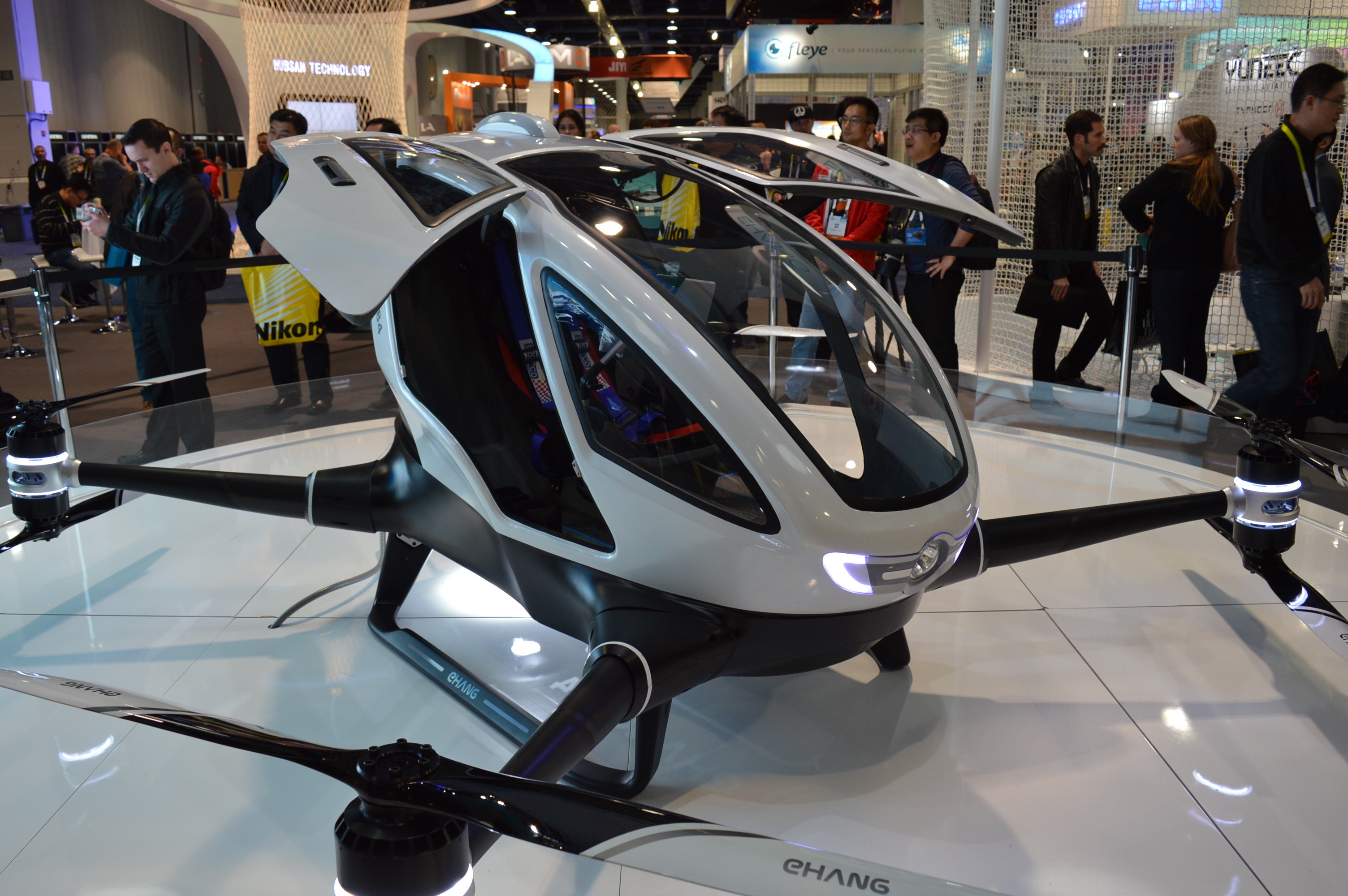
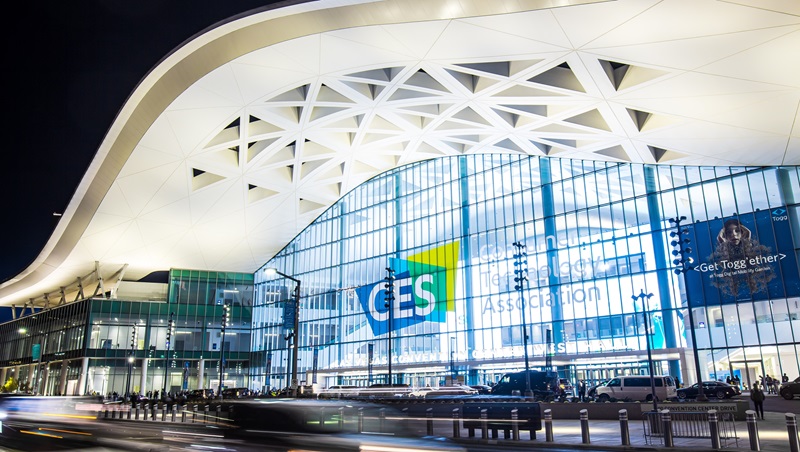
The CES 2024 exhibition in Las Vegas brought together more than 135,000 attendees and over 4,300 exhibitors, underscoring its role as one of the largest global events for mobility and transportation technology. With more than 600 mobility-focused exhibits, the show presented advancements in autonomous and electric vehicles, software-defined vehicles (SDVs), micro-mobility solutions, flying cars, and assistive safety systems. Automotive leaders such as BMW, Honda, Hyundai, Kia, Magna, Mercedes-Benz, Paccar, Recaro, Sony, Supernal, Togg, and VinFast showcased innovations that signal rapid transformation across the industry.

Honda introduced its “Honda 0 Series” EV lineup, slated for a 2026 launch, while Kubota revealed a fully electric, multi-purpose Agri Concept vehicle. VinFast unveiled the VF WILD electric pickup concept. “We’ve seen huge growth in the automotive and mobility area at CES, not only what you expect with mobility with cars, but we’re seeing it on land, air and sea,” said Gary Shapiro, CTA’s president and CEO.
Industry analysts provided context for these developments. Edward Wilford of Omdia noted, “No industry has undergone transformation quite like automotive, and the process is still ongoing by many measures.” Omdia projects a 20% annual CAGR for edge AI devices in automotive from 2022 to 2028, reaching nearly 1 billion units shipped in 2028. Wards Intelligence forecasts connected cars will grow from 252 million in 2021 to 1.23 billion by 2034—a 388% increase. Preliminary survey data from Wards Intelligence and NXP suggests 72% of industry respondents expect half of all vehicle sales in established markets to be SDVs by 2033.
Ambarella demonstrated its Centrally Processed 4D Imaging Radar Architecture, earning a CES Innovation Award. Steven Hong, vice president and general manager of Radar Technology, explained that combining Oculii AI radar with the CV3-AD AI domain control SoC delivers LIDAR-like point cloud density with longer-range sensing. The centralized architecture removes processors from individual radar modules, reducing replacement costs after collisions.
ARaymond presented fastening, electrical connection, and cleaning system solutions tailored for EVs. Larry Rachow highlighted robust inter-battery connections designed to outlast vehicle lifespans. Daniel Marin emphasized the shift toward lightweight, easily assembled designs that maintain serviceability, noting that rising EV volumes demand simplified assembly techniques.
OWL Autonomous Imaging showcased an ADAS solution for nighttime pedestrian automatic emergency braking (PAEB), integrating a high-definition thermal camera with AI-based detection software. CEO Chuck Gershman stated, “This combination provides ADAS computers with the information they need to avoid collisions day or night, even when the road ahead is obscured by rain or snow, fog or smoke.” Gershman pointed to regulatory momentum, with NHTSA proposing rules requiring nighttime pedestrian detection by the 2029 model year and similar European measures expected by 2034.
Sony Honda Mobility displayed its AFEELA prototype, a four-door EV blending advanced ADAS with immersive entertainment. Representative Director, President and COO Izumi Kawanishi discussed integrating “AI for ADAS” and “Mobility as a Creative Entertainment Space.” Collaborations with Epic Games and Microsoft aim to merge AR environmental simulation with conversational AI, enhancing both safety and user experience.
Squad Mobility introduced the Squad Solar City Car, a compact two-seater with an integrated solar panel providing up to 19.2 miles of extra range in sunny conditions. Founder Robert Hoevers described it as “easy to ride like a moped with the comfort and security of a vehicle.” The design features swappable batteries, removable doors, and easily replaceable injection-molded plastic bodywork.
The Indy Autonomous Challenge (IAC) delivered high-speed demonstrations of autonomous racing technology. TUM Autonomous Motorsport from the Technical University of Munich won the event, reaching speeds above 150 mph in close-proximity racing. IAC President Paul Mitchell announced the AV-24 platform, developed with partners including Bridgestone, Cisco, Continental, and Luminar. The modular robotics system is designed to accelerate AI driver capabilities beyond 190 mph, with the goal of advancing autonomous mobility safety and efficiency.