Volkswagen Pursues Breakthrough Hydrogen Fuel Cell Technology
Volkswagen is advancing a hydrogen fuel cell program that could significantly extend the range capabilities of zero-emission vehicles. According to ecoticias, the company has filed a patent for both a vehicle design and a hydrogen fuel cell stack capable of delivering up to 1,243 miles, or 2,000 kilometers, on a single refueling. This would mark Volkswagen’s first commercial fuel cell vehicle if it reaches production.

The development is reportedly in collaboration with Kraftwerk Tubes, a German firm specializing in advanced materials. Central to the project is a ceramic membrane within the fuel cell stack, which offers a cost advantage over the polymer electrolyte membranes commonly used by established fuel cell manufacturers such as Hyundai and Toyota. Ceramic membranes can operate at higher temperatures, potentially improving efficiency and durability, while also simplifying the manufacturing process.
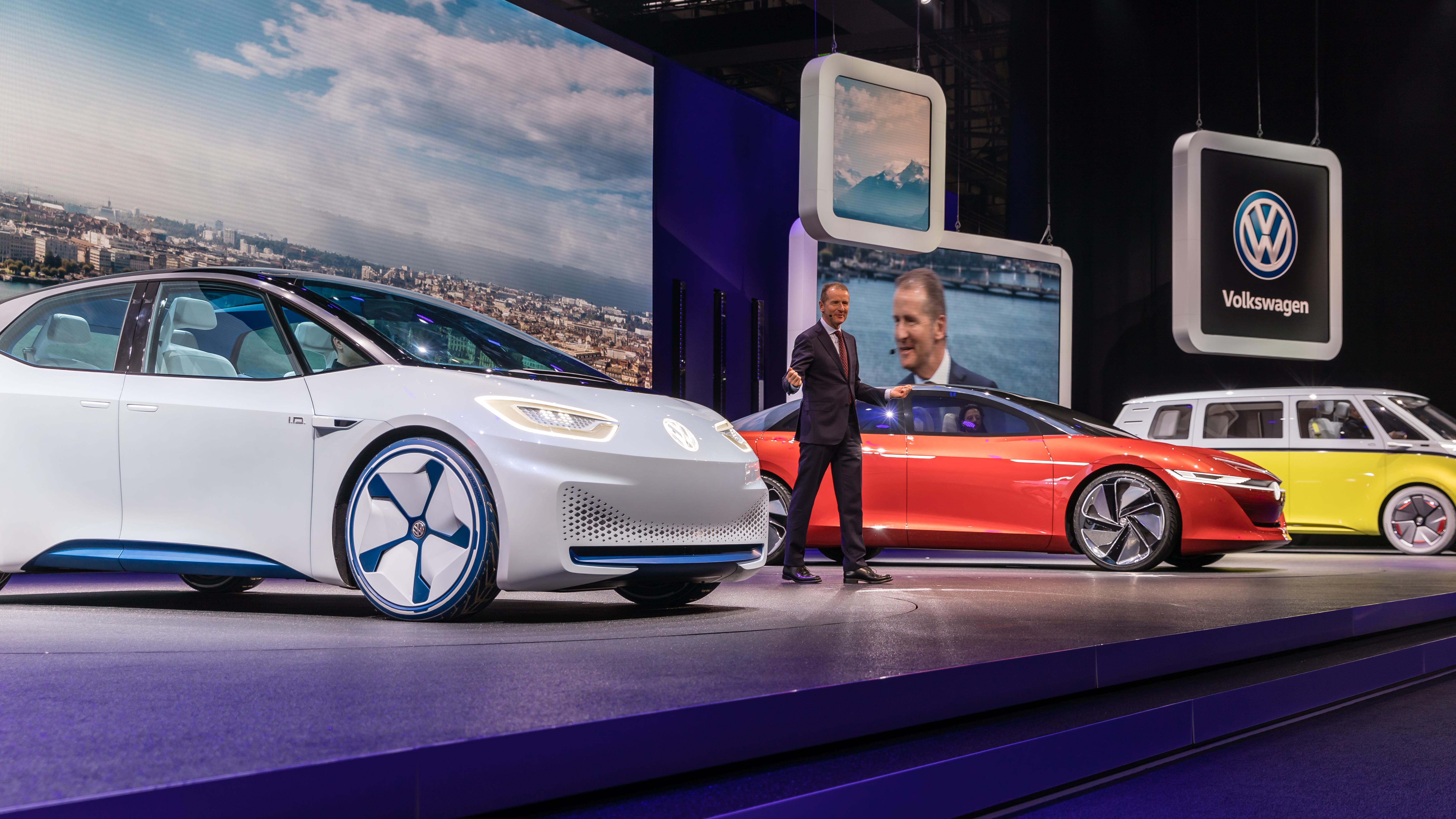
While pursuing hydrogen technology, Volkswagen continues to invest heavily in battery-electric vehicles. The company has reaffirmed its commitment to EVs despite a slowdown in global adoption rates. In a statement last month, Volkswagen announced plans to launch an affordable compact EV in 2027, priced around $21,450 (20,000 euros). Volkswagen Group CEO Oliver Blume emphasized, “It’s about entry-level electric mobility from Europe for Europe.”
Thomas Schäfer, CEO of the Volkswagen brand and head of the Core brand group, added, “Despite the attractive price, our electric cars will set standards in the entry-level segment in terms of technology, design, quality, and customer experience.”
The announcement drew praise from German Chancellor Olaf Scholz, who remarked that the concept of a low-cost EV is “very good.” He further stated, “We are the country with the most powerful car industry in the world, and we want to remain a global player.”
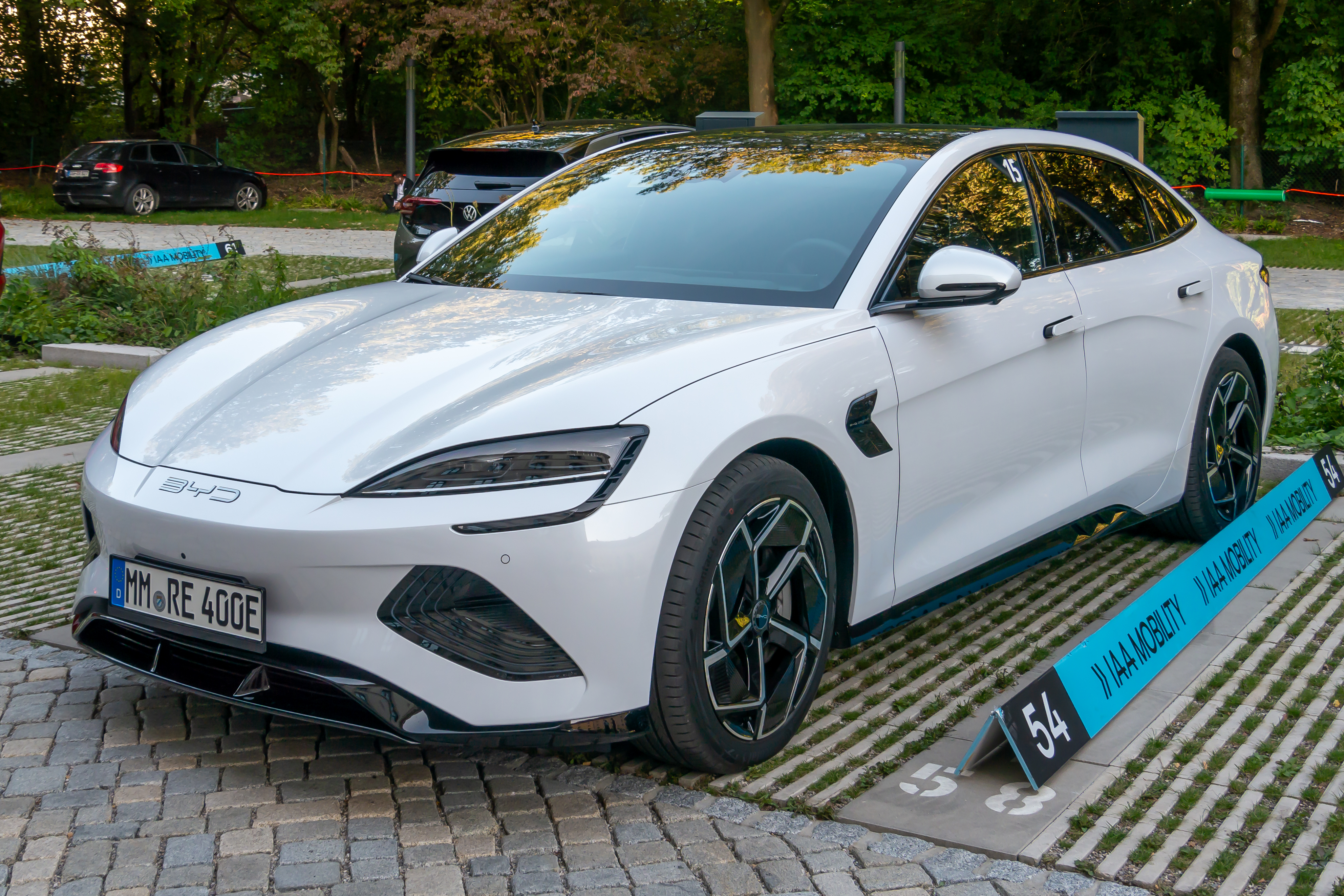
European automakers, including Volkswagen, face increasing pressure from competitively priced Chinese EVs, which have begun to erode the market share of locally manufactured models. In Germany, Volkswagen’s EV sales surpassed Tesla’s in May, yet the Tesla Model Y maintained its position as the country’s best-selling all-electric model for the year, with 13,316 registrations between January and May.
Despite these competitive successes, the broader German EV market has experienced a downturn. Sales of battery-electric vehicles fell between 15% and 40% during the first five months of the year compared to the same period in 2023, with overall BEV market share declining.
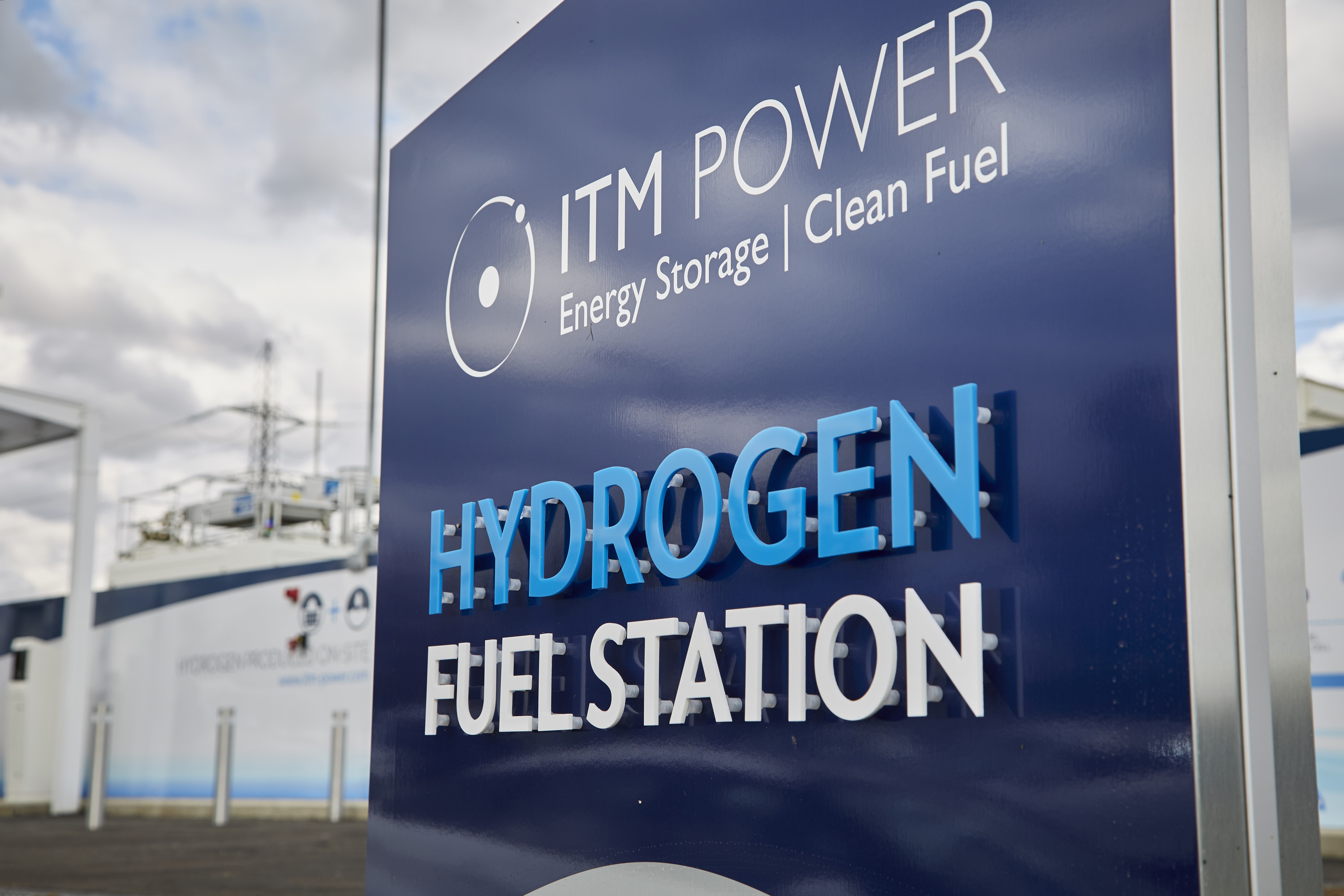
Volkswagen’s hydrogen initiative arrives at a time when the automotive industry is exploring multiple pathways to decarbonization. Hydrogen fuel cells offer rapid refueling and extended range, attributes that could appeal to drivers in regions lacking dense charging infrastructure. However, the success of such vehicles depends on the expansion of hydrogen production and distribution networks, which remain limited in most markets.
The ceramic membrane technology under development with Kraftwerk Tubes could address some of the cost and performance barriers that have hindered fuel cell adoption. By reducing reliance on expensive polymers and precious metals, the approach may enable more economically viable mass production. Additionally, higher operating temperatures can improve waste heat utilization and reduce system complexity, aligning with engineering goals for efficiency and reliability.
For Volkswagen, balancing investments in both hydrogen and battery-electric platforms reflects a strategic hedge against uncertainty in the pace and direction of the energy transition. The company’s dual-track approach underscores the need for diversified solutions to meet varying customer needs, infrastructure realities, and regulatory frameworks across global markets.