Marelli’s Digital Twin Energy System Redefines EV Efficiency
But might the industry’s No. 1 EV problem that of maximizing efficiency without compromising comfort is resolved through a software solution? Marelli certainly thinks it does, having launched a smart energy management solution where the realms of thermal, propulsion, and electronics expertise are combined in a common and dynamic framework. This solution was announced at the CTI Europe 2025 conference held in Berlin.

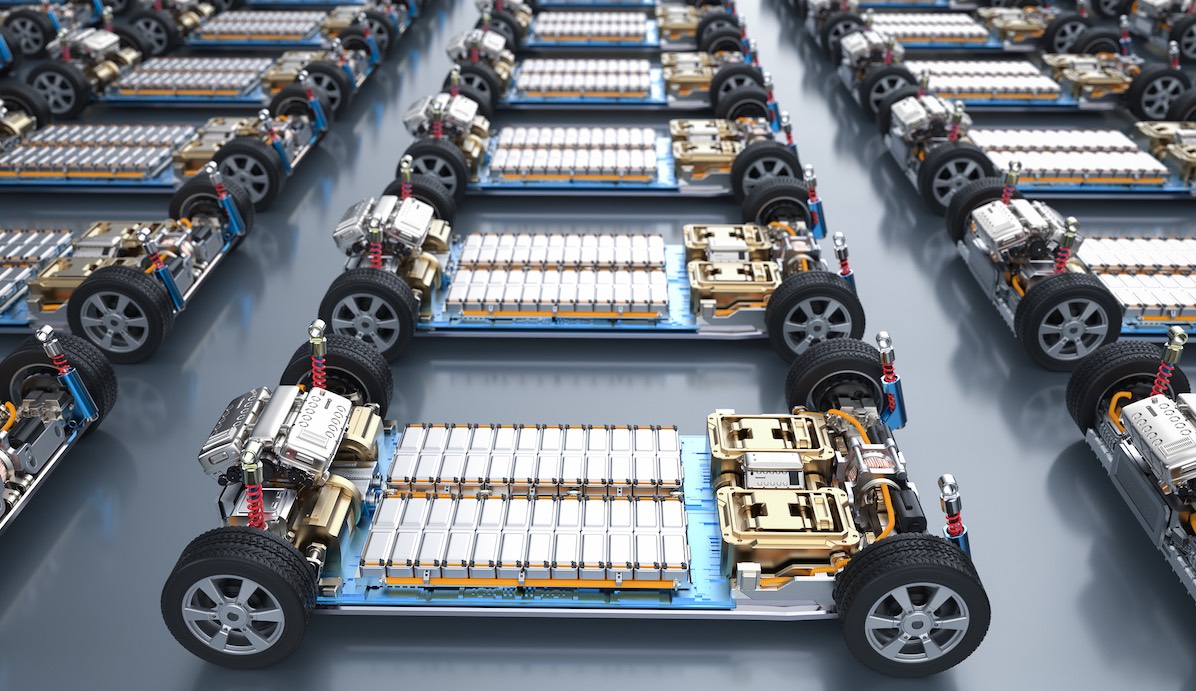
Fundamentally, the modular solution consists of proprietary software that supports the integration of control units, both for the vehicle and the zone, along with thermal components. It allows for the synchronized management of all the energy domains, a move that targets the improvement of the range of the battery, the optimization of rapid charging, along with the maximization of the lifetime of the vehicle, all while maintaining a favorable operating climate. The solution responds to the challenges associated with the complexity of the powertrain.
One aspect which deserves special mention is the thermal management functionality. Software algorithms work in a decoupled manner to precisely manage the processes associated with heating or cooling the batteries. This ensures the temperatures are maintained within optimal levels. Excess heat is also harnessed using the software algorithms. This results in reducing the overall operating costs associated with the vehicle. Additionally, the battery life is enhanced. This is one feature that assumes importance in the contemporary electric vehicle.
From a propulsion perspective, it analyzes and manages power distribution to ensure a balance of power distribution to the vehicle. This ensures optimal battery efficiency, range, and robustness to varying loads. From an electronics perspective, it analyzes and manages system intelligence by ensuring optimal communication between system components, from CAN to Ethernet, to control sensors and actuators directly. The ability to accommodate these changes is imperative, as architectures are poised to cope with software-controlled centralized designs.
The project used significantly advanced digital twin solutions. The virtual simulation capabilities offered by Marelli include electronics, electromechanics, thermodynamics, and hydraulics, allowing car manufacturers to model and test designs quickly and accurately. “Intelligent energy management is the central challenge facing today’s electric and hybrid vehicle development,” said Giovanni Mastrangelo, Marelli’s R&D Head – Marelli Propulsion. “At Marelli, we address this by delivering solutions that not only optimize energy flow across thermal, electric and propulsion domains, but also minimize losses and recover excess thermal energy.”
The alignment of the system with the principles of SDV is intentional. The latest EVs are becoming software-defined vehicles in which high-level computing, connectivity to the cloud, and over-the-air software update technologies enable perpetual optimization. Regarding this, the energy management system from Marelli can be coupled with AI analytics to implement automated drivetrain optimization, adaptive battery rearrangement, and smart control of the HVAC system, which in other SDV domains has proven to improve driving efficacy without human interaction.
The development of highly advanced AI technology further adds to the benefits that these systems could bring. Additionally, machine learning algorithms are capable of analyzing traffic patterns and terrain in order to react in real time to accelerating, regenerative brakes, and heating loads. AI technology is also used in battery management systems, which currently control lithium-ion batteries to mitigate potential thermal runaway, and together with Marelli’s energy domain control, major range and reliability benefits could be attained.
Through this process of optimizing system architecture and ensuring fewer system components, Marelli has made this technology cost-competitive with quick time-to-market. Industry trend follows this adoption of comprehensive energy optimization. Propulsion, thermal, and electronics systems are no longer separate systems to be handled independently. Marelli’s method marks a new trend in this move toward comprehensive energy optimization. This energy optimization method turns focuses on sustainable EV development.