

“When 974 was raised from the ocean by the US Navy, the chemical TEB that mixed with oxygen to ignite the engines caused flames to shoot out from around the SR-71 like Puff the magic dragon when it was raised up out of the water.”

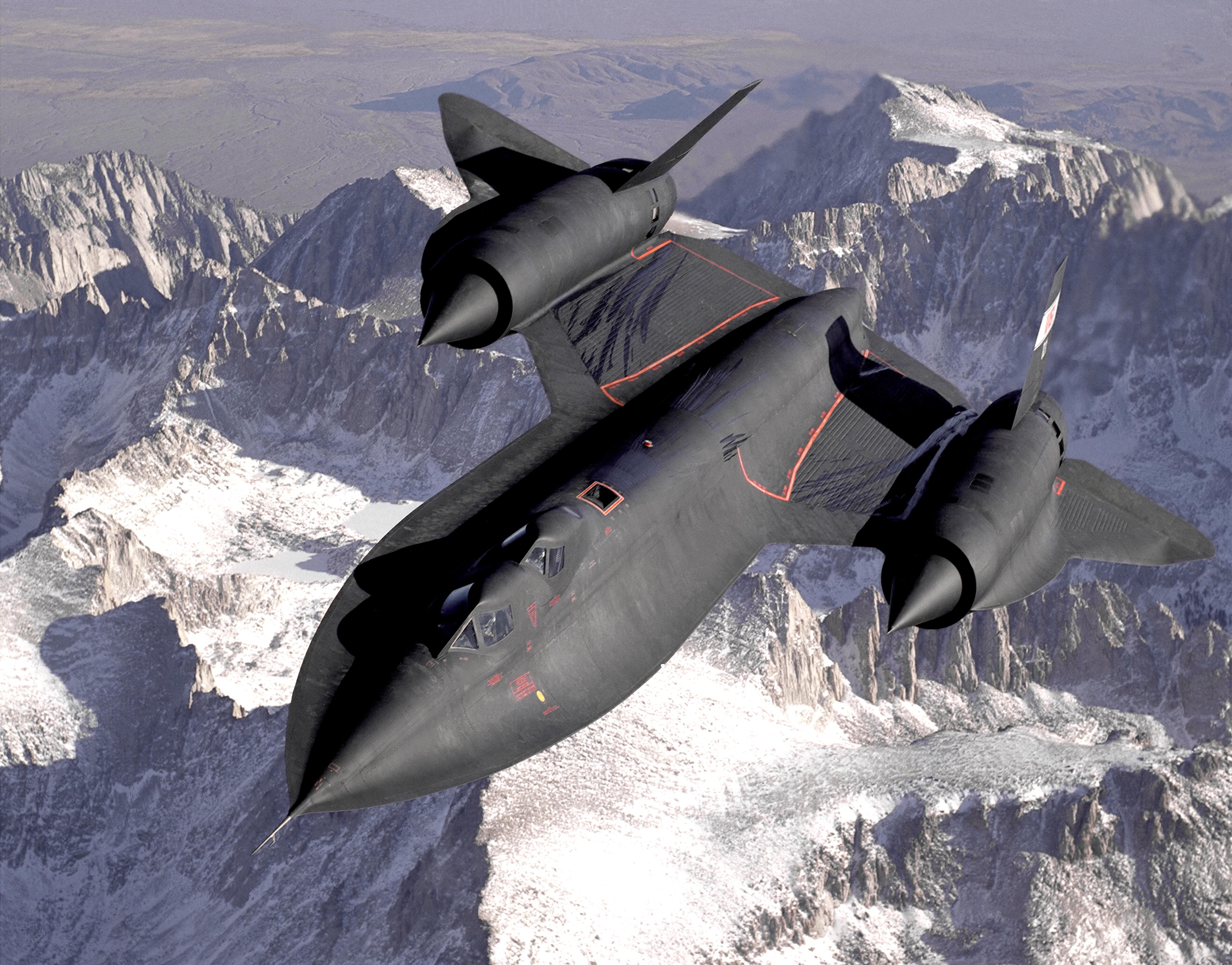
To an aircraft that gained fame and glory through beating obstacles and shortening distances, the SR-71 Blackbird left one chapter behind it, in a location that could never be accessed by any museum. The remnants of SR-71A 61-17974, the nickname of which was “Ichi-Ban” was buried into the ocean on 25,597 feet in the Mariana Trench in late 1989. The act was more of a performance than a closure process to a machine constructed with secrets: a titanium-skinned reconnaissance platform the value of which was not confined to airframes and flight hours.
The loss of the aircraft started with the failure which the Blackbird crews trained but did not consider as normal. On April 21, 1989, the jet lost control in the South China Sea after one of the left engines seized. Later on, the pilot, Lt. Col. Dan House, said that the mechanical trigger was a frozen bearing that ruined the compressor portion; pieces cut hydraulic lines and flight controls disappeared. House and Reconnaissance Systems Officer Blair Bozek yet managed to lower to lower altitude and eject himself, and they were dragged out of the water by local fishermen.
The next thing that needed was depth or the absence of it. The debris had gone down to about 120 feet of water, so shallow as to render salvage not only possible, but in terms of security a necessity. The creation of a salvage mission was based on two issues that are seldom combined in such an open-and-obvious manner: the need to defend classified equipment in a work setting where haste is unforgivable. Divers, sonar, cranes, and a dispatched yard derrick made the field of debris a recoverable inventory, and special care was given to the sensors of the plane, as well as the recording equipment.
The Blackbird was still damaged but it had technology that could not be disposed of as just another scrap. The titanium structure was not the only concern; the navigation and guidance package of the jet, which could be seen in pictures as a white box-like module, had the name “R2D2” in the program – a nickname of the star-tracker package of the Nav Guidance Group. Another of the more dramatic chemical footnotes uncovered by the recovery was Triethylborane (TEB), which was used to burn otherwise uncooperative JP-7 fuel. The “puff the magic dragon” description by Levine was based on broken tanks which spewed TEB when the airframe was emerging out of the sea, an unintentional reference to the fact that the operating region of the Blackbird was being sustained by special chemistry as much as aerodynamics.
Disposing of it itself turned into an engineering-and-governance conundrum. Emmons, a former Blackbird RSO Col. (ret.) Don, summed up the list of alternatives in the simplest terms: The wreckage might be handed in as the military Defense Reutilization and Marketing Office (DRMO) salvage… The other alternative was to dispose the aircraft remains on Kadena. It might be discarded in the sea as well. As the classification restrictions and anxieties over the base closure complicated a land burial, “at sea” became more than a concept, it became an imperative one that had to be co-ordinated among channels in the Navy, and reviewed in relation to the environment in the Law of the Sea. Cynthia Hernandez, a program manager, via telephone calls and approval form, made the decision persevere to completion, despite administrative delays that threatened to extend the time limit.
A final, intentional setback caused the remaining building of Ichi-Ban to be beyond human access on Christmas Eve of the year 1989. The Blackbird left as a popular myth a speed-Mach 3.2+ and extreme altitude but the recent SR-71 accident also had a softer lesson to it: even the most high technology aircraft is eventually characterized by how well an organisation manages what survives when the flight is over.