Why SpaceX Is Treating the Moon as Starship’s Hardest Engineering Test
A Mars-built rocket cannot avoid the Moon. No, not because of romance or symbolism, but because lunar missions compel the sort of operational discipline that interplanetary ambitions will eventually rely upon, recurrent launches, recurrent landings, and functioning logistical chain in space. The focus on lunar activities by SpaceX recently has contributed to common arguments of Mars being pushed aside. The hardware narrative is pointed in the other direction.

It is on the Moon where the promises about Starship are either fulfilled or dusted off. Those are no mere promises made by the marketing team as a big payload, but they were built around quick reuse, a vehicle that is resilient enough to survive reentry without much renovation and a fueling infrastructure capable of growing past one-off antics. The Artemis architecture is effective in transforming these requirements into mission-critical gating items since the Human Landing System envisioned by Starship is designed to be based on depot-and-tanker refueling and frequent repeated rendezvous operations, prior to the sight of the surface by any crew.
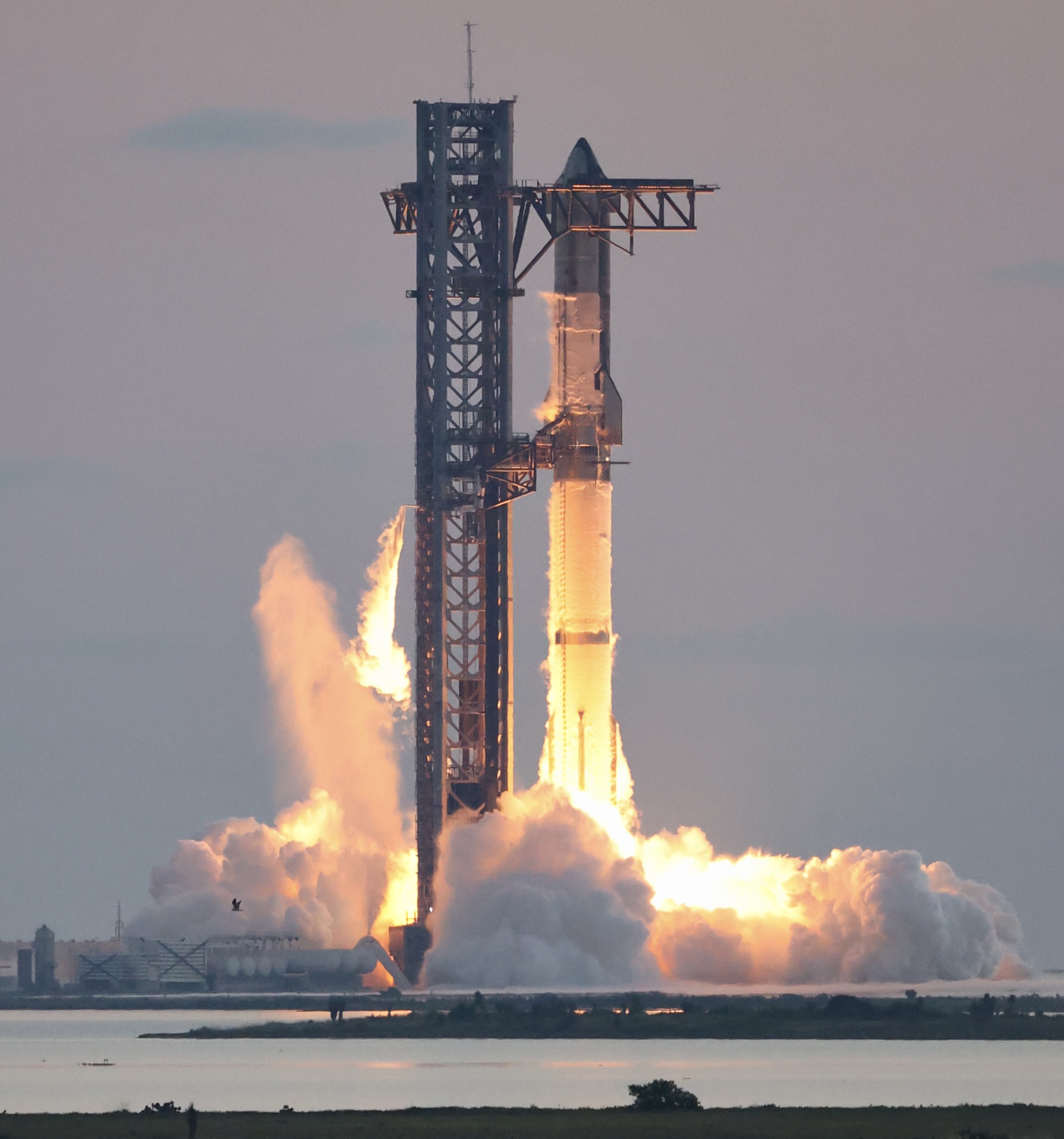
SpaceX has been clear that the next big step is SpaceX Block 3, which is a design that incorporates corrections to the problems that have bedeviled Block 2 and place propulsion aboard Raptor 3. That engine change is important since it is not only a performance increase, but it also sparks transformation throughout the aft-end, shielding strategy and refurbishment flow. SpaceX has recorded 16000 seconds of Raptor 3 firing time in early testing and subsequent program updates have quoted 40,000+ seconds as the development work has increased. Another probe-and-drogue system that is introduced by the same Block 3 plan is designed to ensure that docking ships to ships and transferring propellant is an everyday task, which is certainly not glamorous but becomes the whole mission as soon as Starship goes out of Earth orbit.
In the case of Artemis, the HLS variant is one in which the rocket turns into a habited spacecraft capable of a crew of about 600 people, two airlocks of about 13 cubic meters each, an elevator to access the surface, and special landing thrusters that will mitigate regolith impact on touch. In an update to the program, SpaceX reported that it had already achieved 49 milestones in the development of HLS, such as docking adaptors qualification with NASA/Lockheed and life-support testing in a full-size cabin. They are not far-off Mars abstractions, but rather the pedestrian subsystems which determine whether a lunar mission can even occur.
A lesser motivation that the Moon is sucking up is cadence. Reusable architecture will be real only when the regulators, ground systems, and range operations are able to accommodate frequent flights. In Florida, FAA has proceeded with its environmental review of Starship flights at LC-39A with up to 44 yearly launches and the same quantity of booster landings. That same review framework points out the manner in which SpaceX is positioning Starship to be able to operate out of multiple locations, with an ultimate combined capacity being given as 146 launches in a year across locations- which only makes sense when reuse and turnaround become part of the fabric.
The debate over Mars is inclined to be packaged as a destination of choice. The reality of engineering is a sequencing problem. A Starship unable to be able to reliably rendezvous, re-launch, dock, and exchange cryogenic propellant will have no practicable path to the Moon, much less a journey lasting many months to Mars, and a powered landing on the far west.
At that, the lunar pivot sounds rather like retreat than exposition. It is too near to miss far too often, too harsh to expose faults, and too orderly with Artemis to demand that the most serious pledges of Starship should prove punctual.