

A small hydraulic part inside a 10-speed automatic can turn an otherwise smooth full-size SUV into a harsh-shifting vehicle with a rare but serious wheel-lock risk.

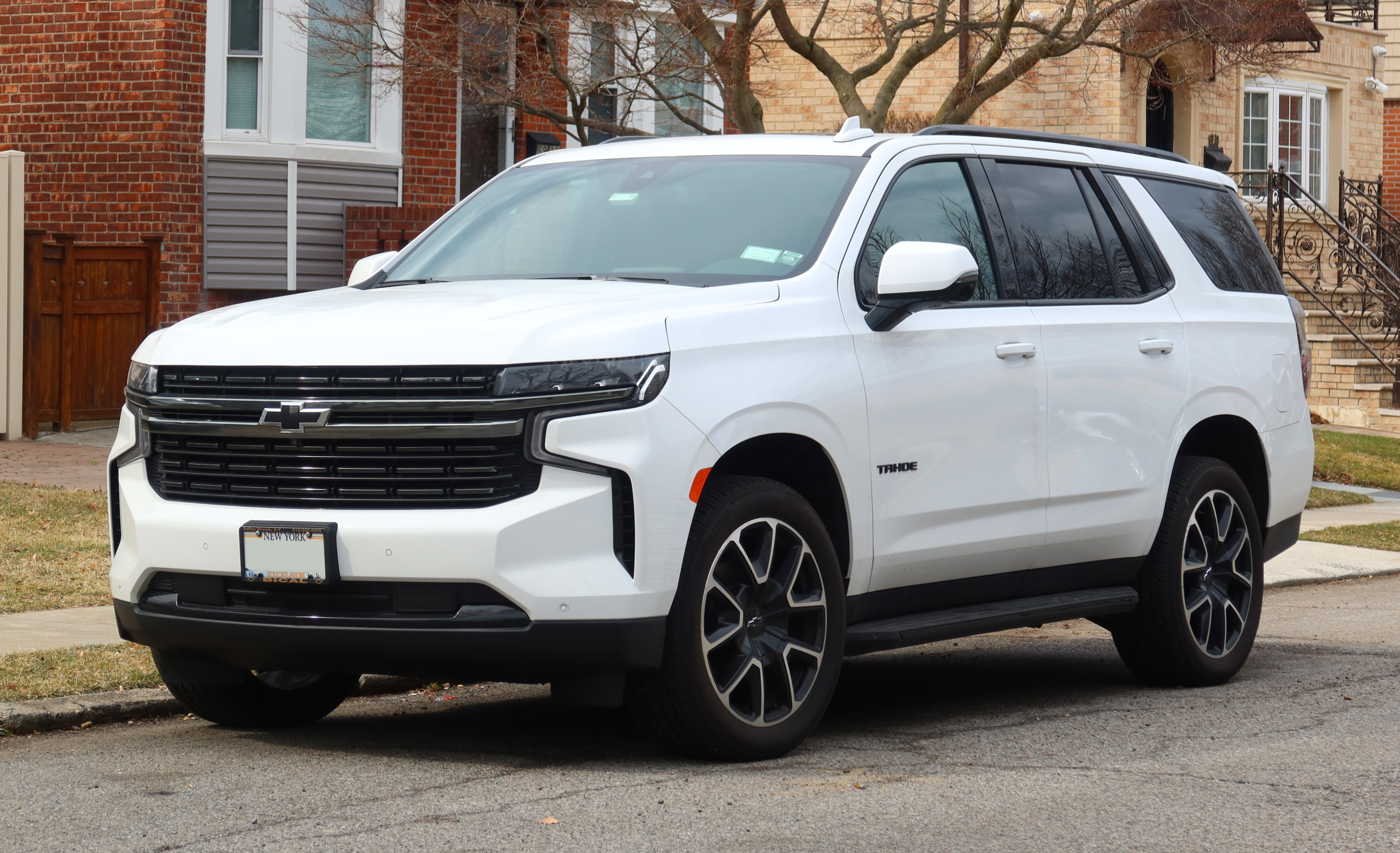
General Motors has connected the most recent campaign to a transmission control valve which can wear more rapidly than forecasted in some 2022 model-year Chevrolet, GMC and Cadillac full-size SUVs. The number of population amounts to 43,732 vehicles comprising of Chevrolet Tahoe and Suburban, GMC Yukon and Yukon XL, and Cadillac Escalade and Escalade ESV models. Technically speaking, the problem lies at the nexus of valve-body wear, pressure control and software control- where gradual loss of hydraulic control may first manifest as complaints of poor shift quality, and under a specific range of operating conditions, may also lead to the rear-wheel lockup.
The impacted trucks are 10 speed with the GM Electronic Transmission Range Select system, a shift-by-wire design that is applied to some of the higher-content models. The task of control valve is simple but unsympathetic: direct pressurized fluid to clutch circuits at exactly planned times and ensure that line pressure is held constant as demands and gear changes add up. With the wear of that valve, the pressure can leak away, and there is a possibility of the valves shifting in unintended directions. The early warning signs presented to drivers are generally sudden, abrupt, “hard,” generally not preceded by any dashboard warning of any kind.
In the worst scenarios as explained in the safety documents, the rear wheels may lock temporarily or permanently. An important fact is the moment of its occurrence: the lockup appears to be correlated with the attempt of the transmission to shift down to the eighth gear where an abrupt engagement of the clutch may shock the drive line in case the hydraulic control is weakened. It is that mechanism that causes a symptom which starts as rough shifting to become a safety problem: traction at the rear axle might be disrupted without the driver intending it to happen, especially when the incident takes place in the middle of a corner or on a low-friction surface.
The solution adopted by GM is software-based instead of an overall change of hardware.
The dealers have made updated transmission control module programming, which is set to constantly test the performance of the valves and the overwear are detected by the valve earlier in the failure curve. The calibration will indicate when a deterioration of about 10,000 miles is detected before a wheel lock-up may take place. Upon the condition being identified by the algorithm, the strategy switches to containment: fifth-gear-only transmission in order to not enter the downshift scenario associated with lock events and a service-engine indicator and a reduced-propulsion notification become visible to the driver.
To the owners and fleet managers, the practical implication is that the first indicators that might be felt are lack of shifting smoothness, uncharacteristic gear shifts or a shift in maneuverability, way before any shop appointment. Checking is VIN-based, and the federal database is the most direct way of getting confirmation through the NHTSA recall lookup tool. The bigger picture engineering picture is also evident: since contemporary automatics now are more and more dependent on the presence of electro-hydraulic control and software oversight, the line between “component wear” and “system safety” is becoming more and more of a detection logic and fallback mode, and the extent to which a vehicle can degrade gracefully when it is no longer acting as the new car act.