

CES Robots Fold Laundry, Snap Photos, and Chase the “Zero Labor” Home
“Making housework a thing of the past” is a line that sounds like it belongs on a detergent bottle, not a robotics stage. Yet that promise has become a reliable CES motif: humanoid robots performing domestic micro-dramas folding, loading, snapping, serving under lights bright enough to eliminate every shadow that confuses a vision system. The show floor novelty is real, but so is the engineering subtext. These demos are less about proving a robot can handle a towel and more about proving a company can connect perception, actuation, and workflow into something that resembles a product roadmap.

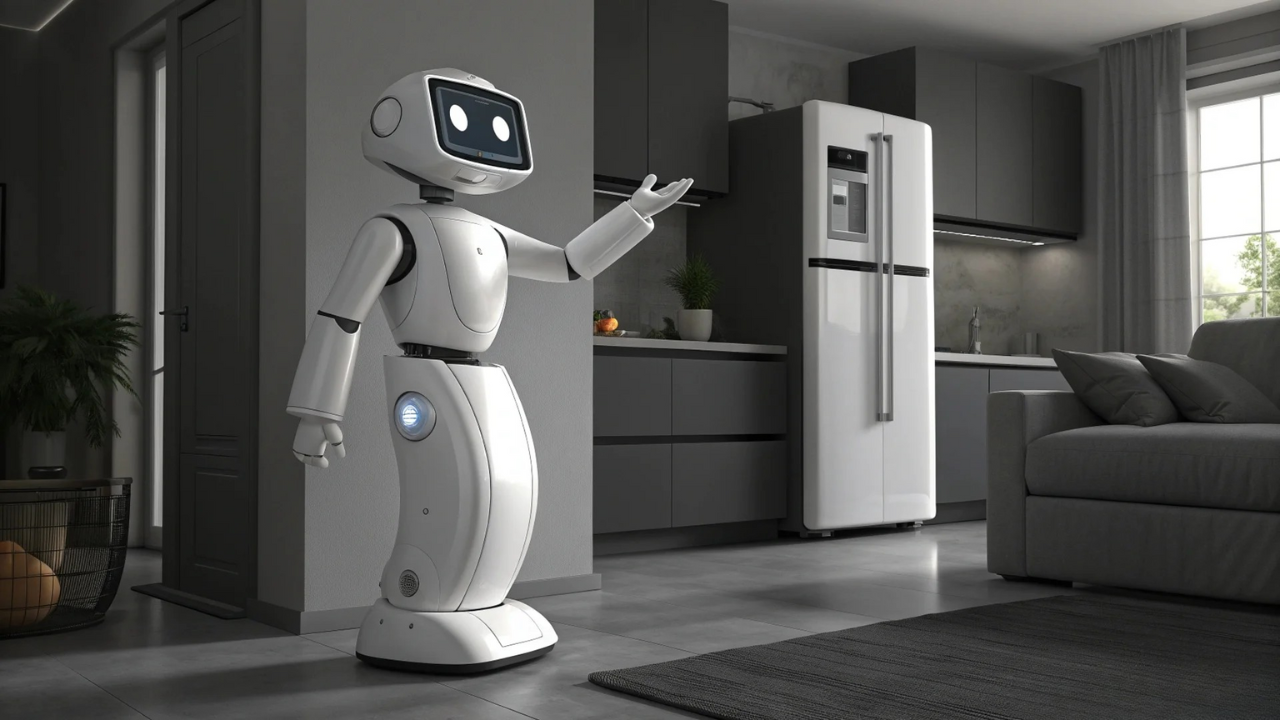
Several exhibits leaned into the most camera-friendly chore in robotics: cloth handling. DYNA Robotics’ laundry-themed robot used claw-like hands to sort and fold linens in a controlled setup, a reminder that “humanoid” can mean human-shaped intent more than human-grade dexterity. On another stand, Singapore-based Sharpa presented its North robot dealing cards and using a Fujifilm Instax camera tasks chosen as much for repeatability as for spectacle. Meanwhile, LG framed its effort around a broader home-automation thesis: CLOiD, a nearly five-foot-tall wheeled robot that can load a washing machine slowly and extend into cooking and dish unloading, presented as part of a home vision tied to connected appliances.
Underneath the theatrics, cloth folding keeps showing up because it is a rare overlap of “hard enough to be impressive” and “forgiving enough to be trainable.” IEEE Spectrum’s exploration of why the industry keeps returning to this benchmark points to modern imitation-learning and vision-language-action approaches that make deformable-object manipulation less brittle than prior generations, while still benefiting from highly staged scenes and easy resets when the robot fails. In other words: towels are a safer proving ground than glassware.
LG’s own narrative makes that tradeoff explicit. In a detailed CES briefing, the company tied CLOiD to a “Zero Labor Home,” describing a robot with seven degrees of freedom per arm, hands with five independently actuated fingers, and a wheeled base chosen for stability and cost. The more strategic reveal sits upstream: LG also introduced AXIUM robotic actuators, treating joints and drivetrains as a differentiator rather than an invisible bill-of-materials burden.
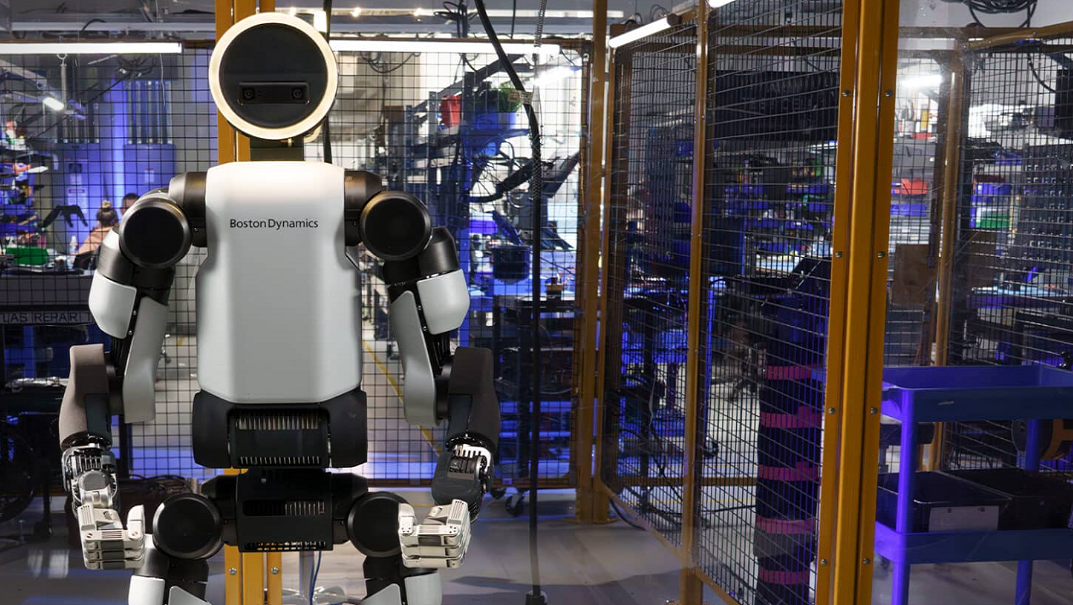
That components-first mindset shows up even more clearly on the industrial side of humanoids. Boston Dynamics positioned its new Atlas as enterprise hardware, emphasizing repeatable deployment, software integration, and fleet replication rather than household charm. In a CES announcement, CEO Robert Playter said, “This is the best robot we have ever built,” while the company highlighted 56 degrees of freedom and a 50 kg (110 lbs) lift capacity as signals of industrial intent.
The gap between a staged home demo and a reliable home appliance remains wide. But CES 2026 made one point harder to dismiss: the humanoid conversation is shifting from “can it move?” to “can it be manufactured, trained, serviced, and integrated” and the robots folding laundry are often the most revealing evidence of that shift.