F-35 Readiness Drop Puts Sustainment System Under Fresh Pressure
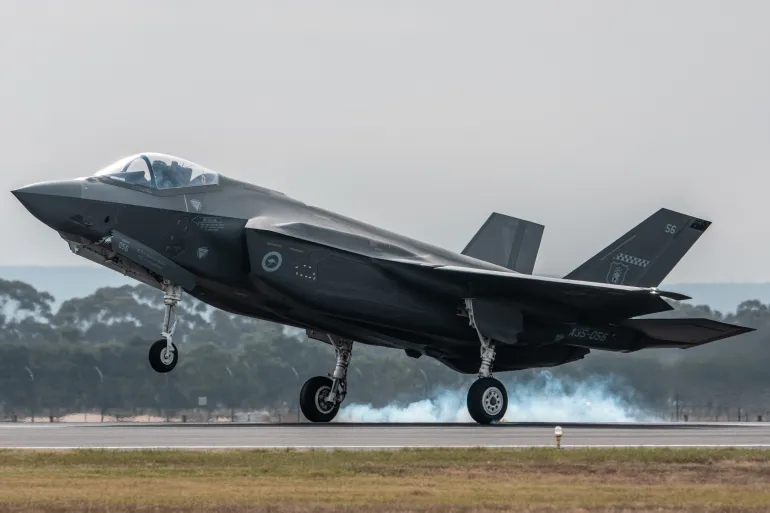
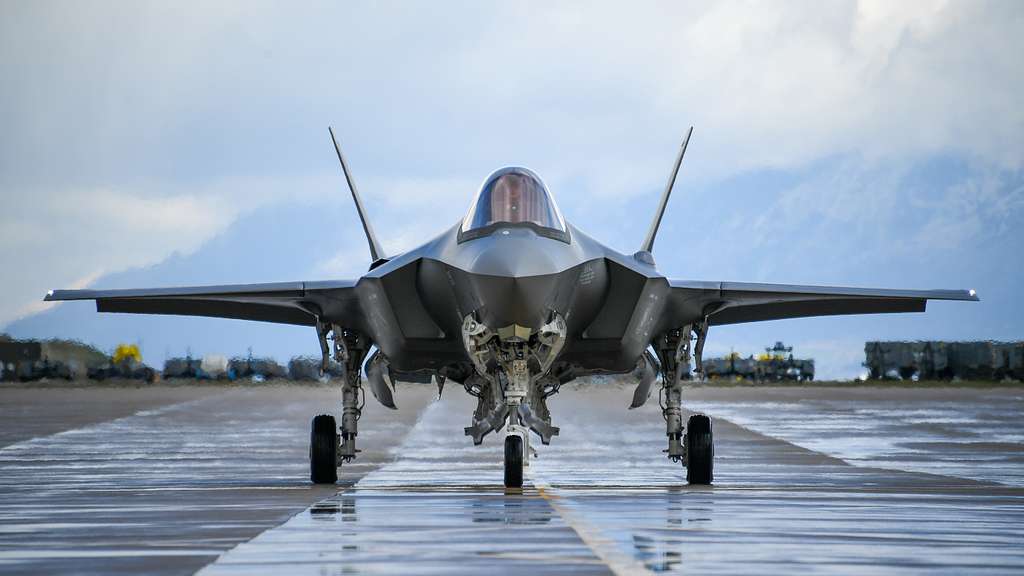
The most recent Government Accountability Office report confirms quantitatively one long-lasting issue concerning the F-35 fighter. Maintaining aircraft ready for action proves to be much more complicated than procuring the fighter fleet. All U.S. military fighters belonging to the F-35 program showed considerable declines in the fully mission capable rate to 25% for fiscal year 2025 from 38% in 2021. It means that fighter jets could handle their assigned mission tasks only one out of four times. Moreover, the mission capable rate demonstrated a significant fall as well: it declined from 67% to 44% over the period under consideration. It is not as demanding as the former indicator; it still means the ability to accomplish at least one of missions.

This point is important. If a particular aircraft can perform its missions partly, it is mission capable. A fully mission capable one can do everything it is expected to do in the scope of assigned missions. Considering the F-35 as an advanced multi-mission aircraft, this difference becomes critical.
Currently, the problem concerns such typical sustainment factors as parts shortages, software issues, significant repair backlogs, and some planes being corroded. All these aspects look familiar but they become a serious problem whenever they occur in a modern stealth aircraft.
One might think that it is easy to identify the problem as a part shortage, for example. Yet, addressing the issue becomes extremely complicated in case the aircraft requires some rare component. Given the large fleet and many variants, parts logistics can turn into an engineering problem.
Incorporating modern software becomes a further complication. After all, it is an advanced fighter featuring both hardware and software components. According to the information given by Air Force officials, some of the decrease observed in 2025 was caused by software development backlog that resulted in some fighter aircraft being unable to operate due to software issues and lack of parts. It is essential to note that it did not prevent the aircraft from being delivered despite lacking operational ability.
Repair backlog may sound less important in terms of sustainability. However, it becomes the key issue because it prevents maintenance services from performing their work efficiently. As the number of repairs increases due to the growing level of corrosion, keeping the entire fighter fleet ready for action will eventually turn into a serious challenge.
To solve the problem, the F-35 team developed a new sustainment strategy aiming at 80% mission capability rate and 65% fully mission capability rate by 2030. This project is supposed to cost up to nearly $14 billion until 2031. They seem quite an ambitious target with regard to readiness indicators. Nevertheless, these data point to a clear change in priorities for the aircraft procurement.
The problem with the project is not the budget. Actually, it concerns more the opportunity to get needed parts, repair aircraft, and ensure timely software deliveries. In other words, the matter is not about spending money but about sustaining an aircraft effectively.
Outside experts also share the same opinion concerning the latest data on the readiness of the F-35 fighter. Thus, according to Daniel Grazier, senior fellow at the Stimson Center, “No one should really be shocked to learn that the program’s readiness rates have decreased. That has become a pattern with the F-35.” One more critic of the new findings advised taking into account previous Continuous Capability Development and Delivery, or C2D2, software modernization as a good example of the similar project with problems arising from it.
From the author’s perspective, the primary step should be improving the aircraft reliability prior to procuring additional planes. This approach goes beyond financial considerations. Indeed, it reflects one basic principle of fleet management from the perspective of aerospace industry: increased production helps little without proper maintenance.
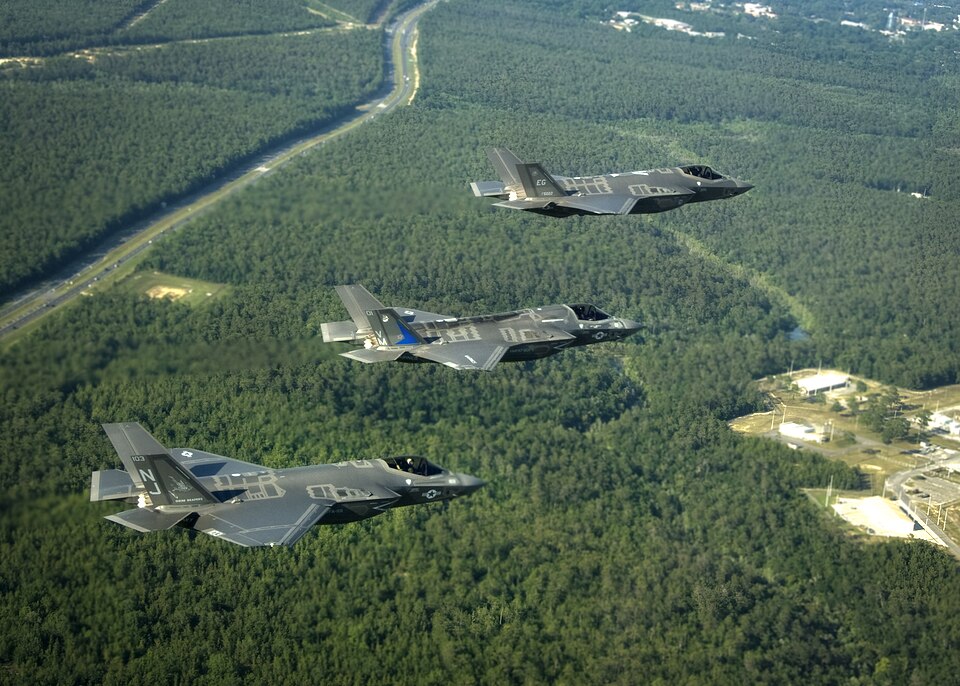
Despite remaining a backbone of the U.S. air power, the latest data show a change in priorities in the scope of F-35 procurement program. It is not just about building and delivering aircraft. Now, the issue of sustainment in terms of aircraft parts, software delivery, repairs and overhauls, and corrosion management becomes central to the F-35 readiness.
By David Whitaker – Associate editor for AMI’s aerospace and drone systems desk, covering flight systems, aircraft programs, spaceflight, and UAV development.