

NASA-Backed Drone Challenge Accelerates STEM Learning in Schools
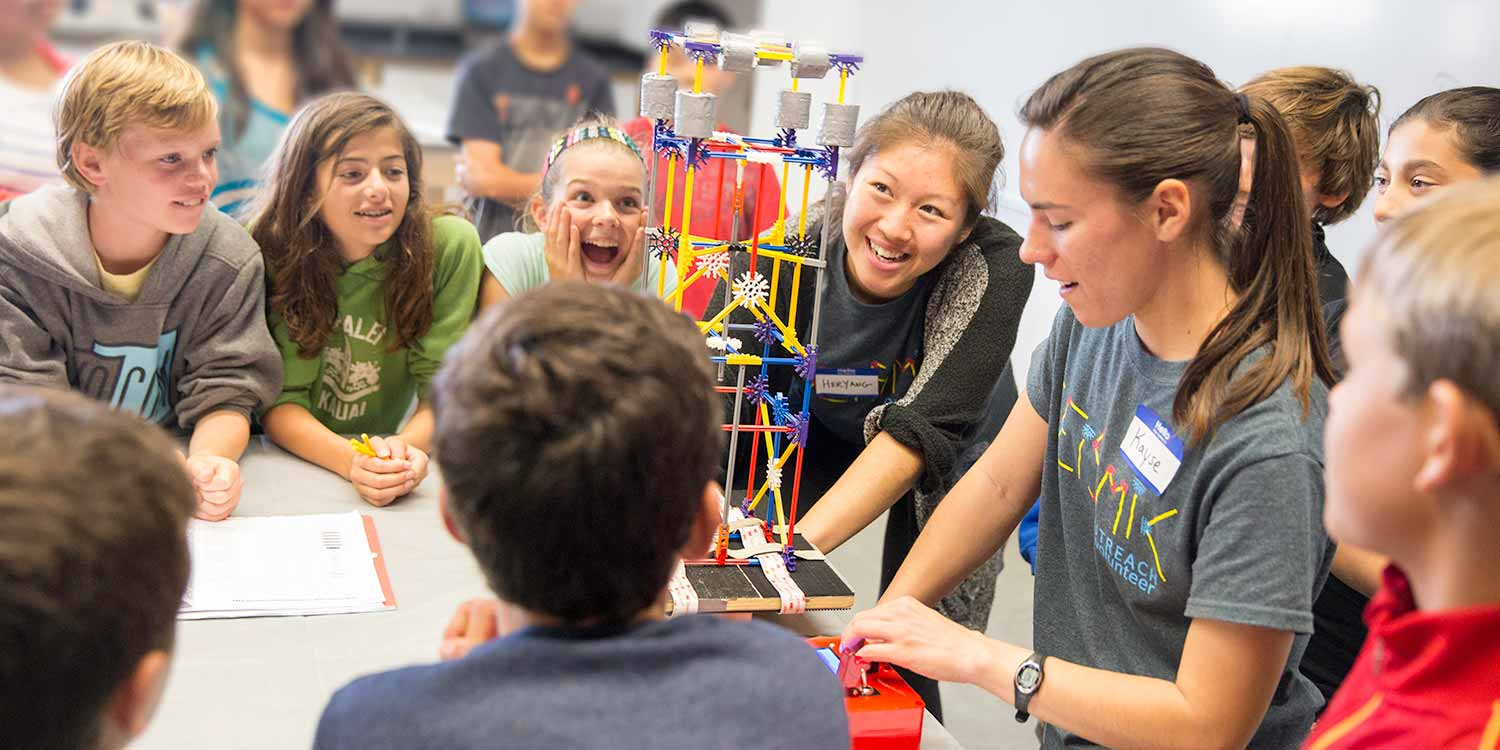
The greatest movement in STEM education may well be occurring in the school gym or auditorium instead of in the science or technology lab and it’s happening when students operate drones in competition with the skill of experienced aerial pilots, wrote Ken Fletcher of the Katy Times on the Harmony School of Excellence Katy Middle High School drone competition that took place on November 15. Forty-two teams participated in this competition that forms part of the national aerial drone competition.

In its ninth year in the Harmony Houston North District and its fifth year of participation, this competition seamlessly integrates excitement and skill development aligning with the school curriculum. “The Aerial Drone Competition inspires our students to push the boundaries of what’s possible,” exclaimed Yilmaz Kahraman, STEM Coach in the Harmony Houston North District. “Each year, we see their creativity and problem-solving skills soar to new heights.”
The contest is hosted by Robotics Education and Competition Foundation (RECF), which is an international non-profit organization that aims at increasing participation in science, technology, engineering, mathematics, and computer science education among students at affordable and sustainable rates. RECF emerges as an organization that fits well within the nation’s aspirations for workforce readiness, and this is reinforced by collaborations that include NASA and the Department of Defense STEM. Collaboration comes in the form of funding and technical know-how.
“This is reflective of NASA’s wider initiative to engage the community and promote STEM cultures in areas beyond just the professional and technical workforce,” explained Dr. David Lavery, director of the Astro TEC Program at NASA. “Not only are students exposed to STEM concepts at Aero Fair, but it is made relevant due to the link to NASA,” described Shauna Tinich, a middle school educator whose class hosted the Aero Fair initiative. Projects like this further illustrate the worth of events like the Aerial Drone Challenge, in which students are further exposed to practical problem-solving scenarios.
“Mission 2025: Gravity”–the theme of the 2024-2025 season–is expected to attract students in grade 5 to grade 12 in large numbers, including a possible 10,000 participants in 42 states. Students get to work with “CoDrone EDU”–a drone that can be programmed and supports languages such as Blockly and Python–provided by “Robolink.”
In addition to the excitement of competition, this initiative fills an important need: introduction to new and evolving technologies at an early age. “The drone industry is expected to break the barrier of over $128 billion in 2030 and play an important role in agriculture, logistics, safety services, and environmental observation.” By incorporating drone education into the school system, the education sector can prepare students for the workforce in areas of the economy that are expected to be powered by drones.
No experience? No problem! programs like this are proven to be very effective. The effects of such programs are well known. FAA-funded outreach in the Alliance for System Safety of UAS through Research Excellence (ASSURE) has identified that immersive education for drones changes lives for the better. Near 75% of students in one drone school in California expressed interest in pursuing an aviation-related career after engaging in this course. We’ve already seen the impact on so many students in underserved communities, inspiring them to pursue STEM-related careers in order to help develop the next leaders of the aviation industry, Nick Lento, the ANG New Entrants Division manager, stated.
Harmony Schools is an excellent demonstration of what can be accomplished in STEM when dedication and hard work are put behind this cause for an extended period of time. Harmony boasts an unprecedented 98% rate of graduation and 100% college acceptance for seniors. Therefore, it can be observed that when STEM and other programs are integrated on a national level within local school systems, and when such programs are combined with the power of the like-mentioned agencies of NASA and DoD STEM and RECF, it can be very beneficial. For members of the education and administration team, the Aerial Drone Competition is more than just a one-day conference. It is an introduction to incorporating practical applications of engineering as part of daily schooling. It is also a demonstration for parents of what can be accomplished when curious minds are equipped and guided towards the pinnacle of technological advancements.