

Ukraine Stops Just 60% of Faster Geran Drones as Interceptors Lag
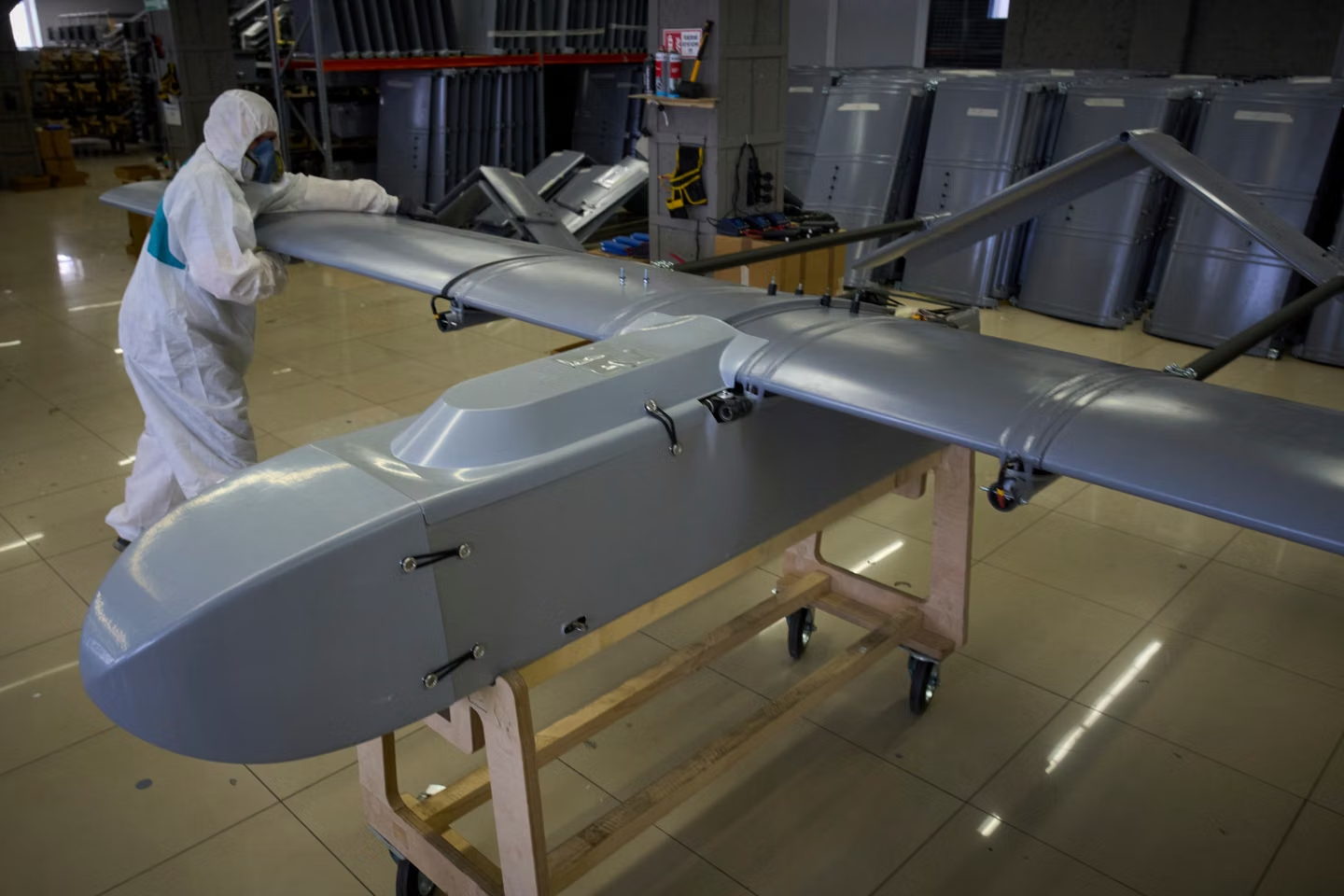
Just over 60% is the figure defining Ukraine’s latest counter-drone problem. The Wall Street Journal reports that Ukraine intercepted only slightly more than six in 10 newer jet-powered Geran drones in August, down from more than 90% against older, slower models.
The comparison points to a readiness gap rather than a simple increase in drone numbers. Russia is fielding faster and heavier Gerans with more autonomous functions, while Ukraine’s purpose-built jet-powered interceptors remain under development. Ukrainian military data reviewed by Reuters indicated that Russian use of jet-powered drones increased sixfold over the summer, while Reuters sources characterized tests of Ukraine’s new interceptor generation as disappointing.
Speed changes the interception problem
The newer turbojet Gerans reportedly exceed 300 mph and can carry payloads approaching 200 pounds. Higher speed compresses the time available to detect, classify and engage an aircraft. It also reduces the margin for an interceptor to reach a useful position after launch.
That does not mean speed alone explains every unsuccessful interception. Public figures do not provide a full accounting of detection conditions, engagement attempts or the defensive systems involved. But a sharp performance difference between slower and jet-powered models is consistent with a basic control problem: the faster the target, the more demanding the interceptor’s acceleration, guidance and sensing become.
A purpose-built counter-drone aircraft must do more than achieve a high maximum speed. It needs enough speed advantage to close on the target, sufficient maneuverability to correct its path and reliable guidance throughout a short engagement window. Those requirements can compete with cost, endurance and production simplicity. A design optimized only for top speed may still struggle to deliver repeatable interceptions.
Autonomy and jamming resistance add another layer
The reported change extends beyond propulsion. Upgraded variants called Seekers can reportedly recognize and follow targets visually, continue operating after losing contact with an operator and resist electronic jamming. Those functions reduce dependence on a continuous command link and make the defensive task less predictable.
The Geran family’s development model helps explain the pace of change. A CSIS analysis of the platform’s evolution describes rapid subsystem changes involving navigation, communications, propulsion and payloads. Its central industrial point is that the Geran has evolved through repeated modifications and production feedback rather than through a single clean-sheet redesign.
That approach can accept imperfect early versions, then scale modifications that appear useful. For a defender, the consequence is a moving qualification target. An interceptor designed around the speed and behavior of one Geran generation can face a materially different aircraft by the time it reaches larger-scale production.
A broad defensive response carries a resource cost
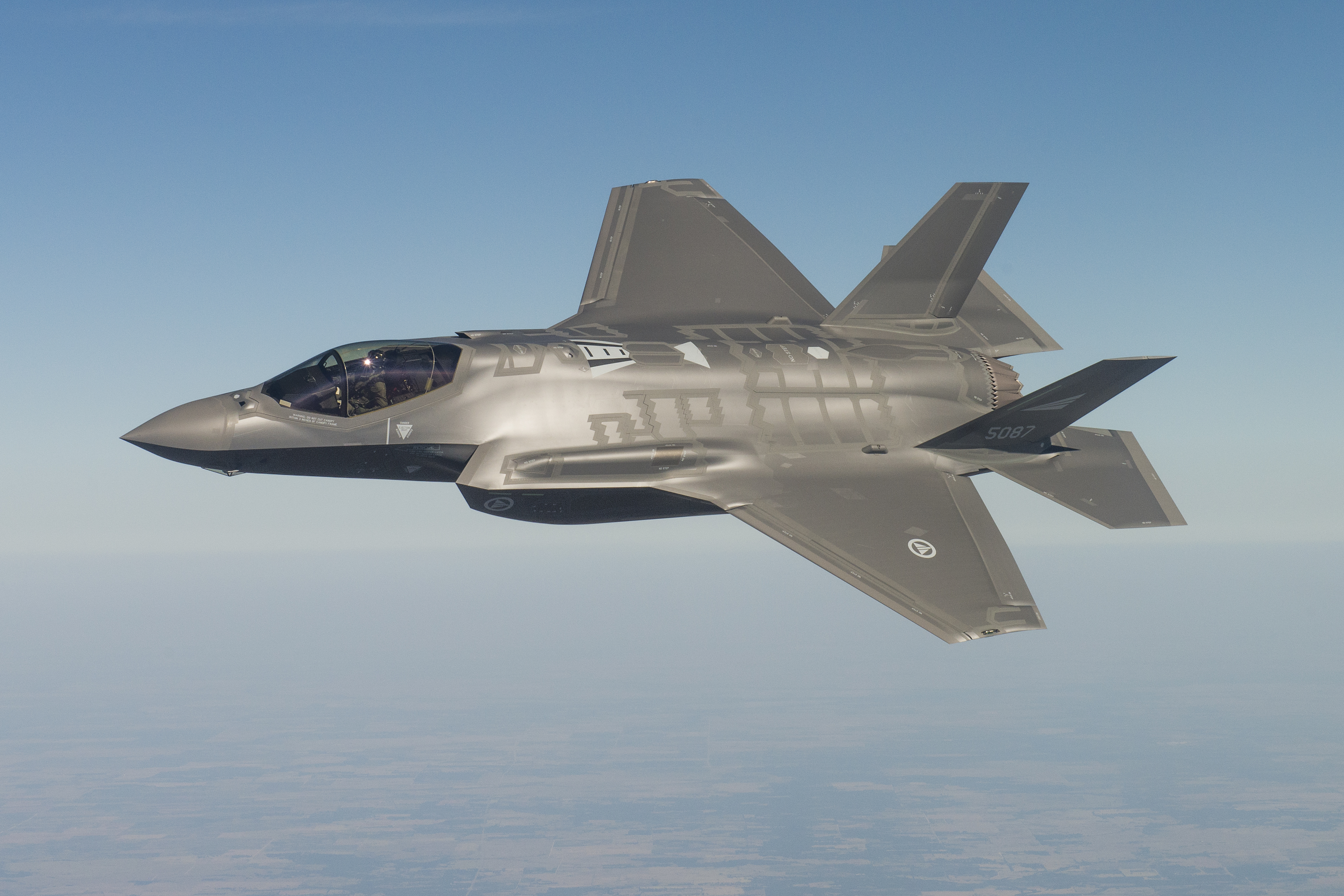
Ukraine has reportedly used assets ranging from F-16 fighters to portable missiles against the jet-powered drones. That breadth demonstrates flexibility, but it also shows why a dedicated interceptor matters. When lower-cost counter-drone systems cannot reliably catch the target, defenders may have to draw on more capable aircraft or missile inventories needed for other threats.
The pressure is intensified by volume. Russian use of jet-powered drones rose sixfold over the summer, according to the Ukrainian military data reviewed by Reuters. The aircraft are also arriving frequently enough to sustain attacks against Ukrainian cities and infrastructure around the clock, according to the Journal. More engagements mean greater demand for crews, sensors, aircraft availability and interceptor stocks, even before individual weapon costs are considered.
Ukraine is trying to close that gap, but development remains incomplete. Recent reporting described the summer test results as disappointing. A subsequent interceptor test did destroy a Shahed, according to a Ukrainian government-linked news report, although guidance still required refinement and officials said more time was needed.
That distinction matters. A successful demonstration proves that an interception is possible under at least one test condition; it does not establish repeatable performance across different speeds, weather, electronic interference or engagement geometries. Operational readiness also requires producibility, maintainability, trained crews and integration with detection and command systems.
The gap is partly industrial
Investigators say Russian Geran production continues to depend on imported dual-use components, including parts originating in China and Western countries despite sanctions. That reliance represents a supply-chain constraint, but it has not prevented rapid modification or the reported summer increase in jet-powered use.
A senior Ukrainian commander acknowledged that Ukraine had lost the initiative against the jet-powered threat. The next meaningful milestone is therefore not another isolated test success. It is whether Ukraine can turn improved guidance into a repeatable, manufacturable interceptor before faster Gerans become an even larger share of the continuing drone pressure.
| More aerospace and engineering stories, right in your MSN feed. Follow AMI on MSN |
By Stephen Wallace — Editor for AMI’s aerospace integration and unmanned mobility coverage, focused on drone manufacturing, VTOL systems, autonomous networks, and air-ground mobility links.