

Pentagon Watchdog Records F-35A’s First Combat Damage, $33.4 Billion Cost
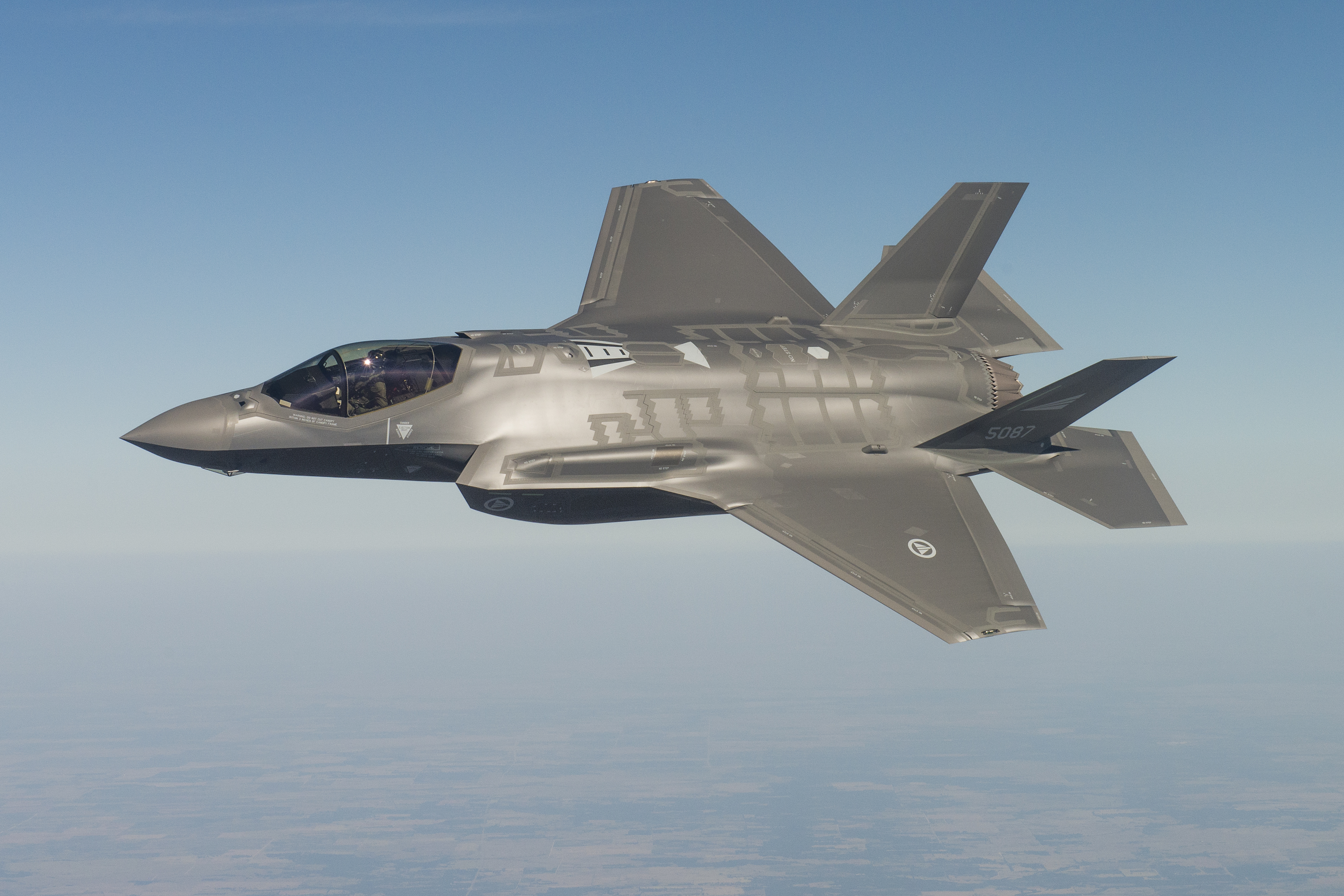
A Pentagon watchdog’s initial accounting of the Iran conflict puts U.S. military costs at $33.4 billion through June 30 and records what it describes as the Lockheed Martin F-35A’s first combat damage. The congressionally mandated assessment, presented to lawmakers in September, also identifies aircraft attrition, damaged facilities and precision-munition shortfalls that extend the cost well beyond one fighter.

The reported equipment tally includes four F-15E fighters, one A-10 attack aircraft, seven KC-135 refueling aircraft, seven helicopters and more than 30 unmanned aircraft lost, destroyed or damaged. The watchdog attributed the F-35A damage to enemy fire, but did not disclose its severity, repair requirements or whether the aircraft returned to service. Those unanswered questions prevent a meaningful judgment about the fighter’s survivability or the maintenance burden created by this particular incident.
Most of the recorded cost went into munitions
The more consequential readiness figure is $22.3 billion: the portion of the $33.4 billion estimate attributed to expended munitions. The remaining accounting included $3.7 billion for equipment losses and $7.4 billion in other expenditures. The watchdog said the rate of weapons use produced strategic inventory shortfalls and exposed bottlenecks in the domestic industrial base.
That distinction matters for taxpayers and force planners. An aircraft loss creates a visible replacement requirement, but depleted weapons inventories spread the burden across multiple services and future missions. Replenishment is not simply a matter of authorizing enough money. Advanced precision weapons depend on specialized suppliers, critical materials, long-lead components, testing capacity and production lines that cannot necessarily multiply output on short notice.
Procurement officials are seeking streamlined processes, shorter production lead times and stockpiles of selected materials, components and munitions. Those efforts are responses to the constraint, not proof that it has been removed. Proposed schedules and framework arrangements still require funding, contracts, supplier investment and completed deliveries before they increase usable inventories.
Aircraft readiness depends on more than replacement purchases
The F-35A finding also lands against a broader sustainment problem. A separate Government Accountability Office assessment found that only one in four U.S. F-35s was fully mission capable in fiscal 2025. The Air Force’s rate was 28.5 percent, while the Navy and Marine Corps variants ranged from 15.3 percent to 22 percent. That measure represents aircraft ready to perform all assigned missions, not merely aircraft capable of flying.
Operational experience during the conflict showed the other side of that equation. Air Force officials said heavily used F-35s maintained high mission-capable rates when they received priority access to parts and logistical support. Sustainment centers increased parts procurement by nearly 120 percent during the campaign. This indicates that concentrated support can raise availability, but it also highlights the tradeoff: resources surged to deployed aircraft are not automatically available across the entire fleet.
Lockheed Martin and the F-35 program had already identified underinvestment in spares relative to the fleet’s size and planned flying hours. Lockheed made two reported $1 billion investments intended to purchase parts and address supplier-capacity gaps, while the program office awarded the company a record $1.6 billion critical-spares contract in July. Even with advance purchasing, the company said some components could not be delivered quickly enough because capacity was limited.
Replacing lost aircraft adds another layer of cost and time. The Pentagon says the average flyaway cost of an F-35A in the latest two production lots rose to $92 million, up from $82.5 million in the preceding contracts. Flyaway cost does not capture the full expense of training, infrastructure, spares and long-term support, so it cannot be used as a simple multiplier for the conflict’s equipment bill.
The published total is not a final bill
The $33.4 billion estimate also excludes the cost of repairing damaged military facilities. Iranian strikes reportedly destroyed or degraded hundreds of buildings and support structures at U.S. bases in the region. Separately, physical damage to diplomatic facilities in Iraq, Kuwait, Saudi Arabia and the United Arab Emirates was estimated at $184 million.
Executive leadership has said defense production is running at historic levels. That claim and the watchdog’s finding can coexist: production may be high in absolute terms while remaining insufficient to replace weapons as quickly as they were consumed. The unresolved measure is not how many initiatives have been announced, but when replenished munitions, repaired infrastructure and replacement aircraft become operationally available. Until those deliveries materialize, the first combat-damaged F-35A remains a notable entry in a much larger readiness ledger.
| More aerospace and engineering stories, right in your MSN feed. Follow AMI on MSN |
By David Whitaker — Associate editor for AMI’s aerospace and drone systems desk, translating flight systems, aircraft programs, spaceflight, and UAV developments into accessible technical stories.