

F-35 Begins $13.7 Billion Overhaul With Fewer Than Half Mission Capable
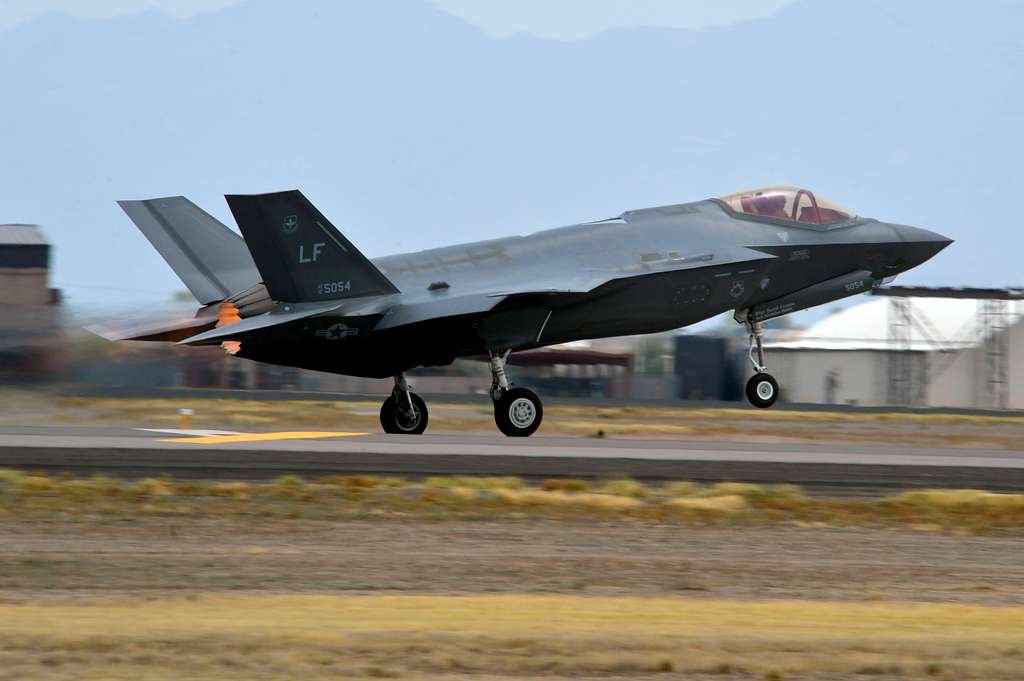
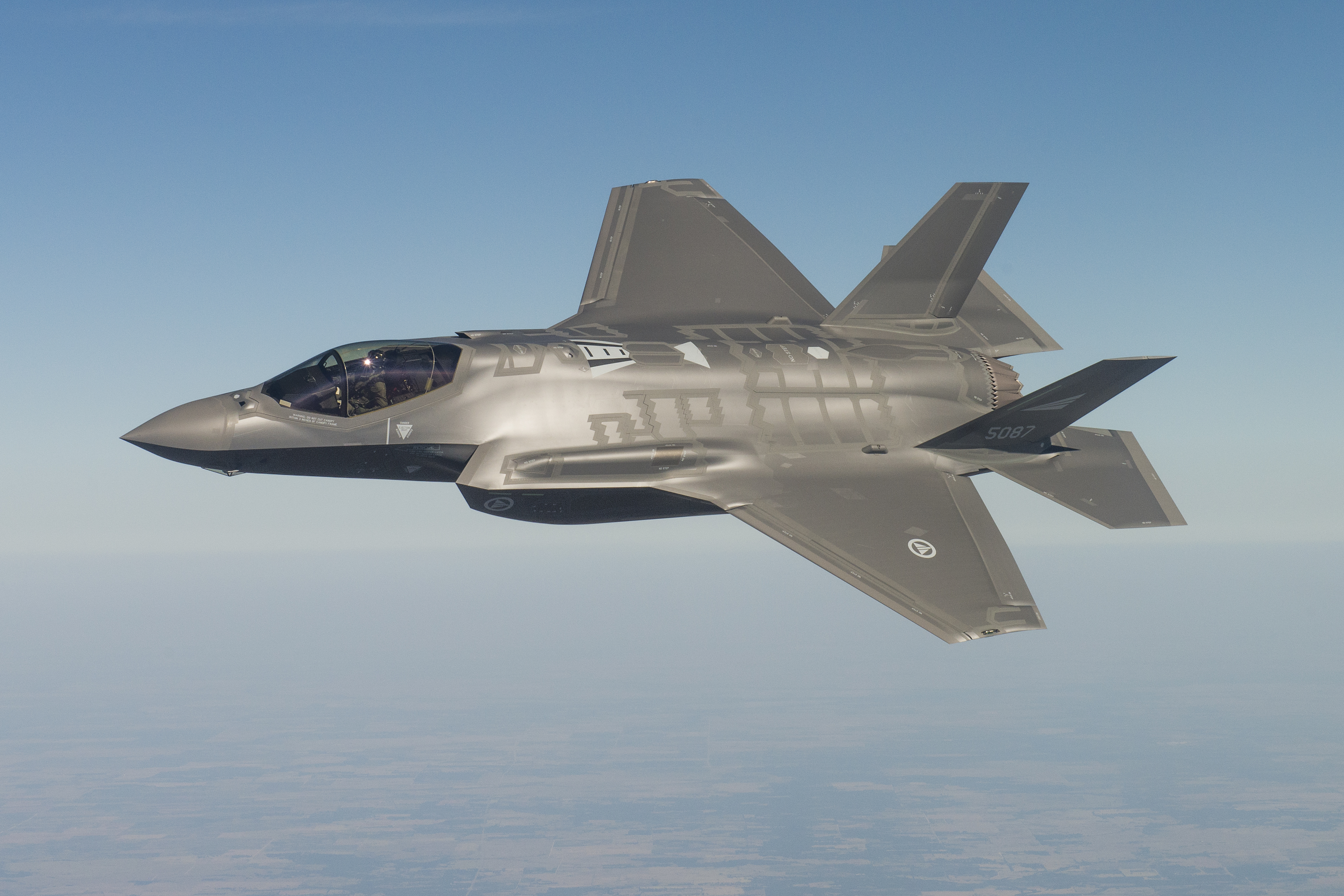
The F35 fleet has grown beyond 1,300 aircraft, yet only about 44% were reported mission capable in mid 2026 meaning able to perform at least one assigned mission. The F35 Joint Program Office has now begun a $13.7 billion Global Support Solution Reset through fiscal 2031 to address that gap. The more demanding fully mission capable rate, covering all assigned missions, was roughly 25%.

That contrast defines the program’s central problem. Manufacturing more fighters expands capacity on paper, but operational availability depends on repair throughput, spare parts, stable software and compatible equipment. The reset targets mission capable and fully mission capable rates of 80% and 65%, respectively, by 2030. Those figures are goals, not current results.
A support system sized below the fleet’s needs
The reset directs additional funding toward depot spares and regional maintenance capacity, while revising Lockheed Martin contracts to penalize performance shortfalls. That matters because readiness is not simply a question of whether maintainers can diagnose a problem. A grounded aircraft stays unavailable when the required component is absent, a repair line lacks capacity or depot work must compete with modernization tasks.
Recent experience also shows why buying parts alone cannot provide an immediate cure. Lockheed Martin said it made two $1 billion investments after joint modeling with the government identified the components needed to pursue the 80% and 65% targets. The company found that some suppliers lacked enough capacity to deliver parts on the required schedule. In July 2026, the Joint Program Office awarded Lockheed a $1.6 billion critical spares contract, according to an Air & Space Forces Magazine account.
That is an industrial base constraint rather than a simple purchasing problem. Suppliers need predictable demand to add tooling, labor and output, while operators need inventory before aircraft are grounded. Buying ahead can shorten future waits, but it also commits public money before every demand forecast is proven. The fairness question for taxpayers and allied users is therefore not whether sustainment costs money; it is whether contracts convert that spending into measurable aircraft availability.
One fleet now contains several technical baselines
Maintenance is becoming harder because “the F35 fleet” is not a single configuration. Technology Refresh 2 aircraft retain older computing hardware and the Block 3F software baseline. Technology Refresh 3, or TR-3, introduces a new integrated core processor, more memory and an open architecture panoramic display. It is described as providing 25 times the computing power of its predecessor and is the required hardware foundation for the Block 4 modernization.
More than 150 TR-3 aircraft were accepted with limited interim software after deliveries had been suspended for about a year. Accepting them reduced the factory backlog, but the aircraft remain restricted to basic training until updates correct software stability problems and activate additional systems. Delivery, in other words, did not equal complete operational availability.
The configuration split will persist. Some older TR-2 aircraft are expected to remain Block 3F platforms, while selected newer examples will receive TR-3 processor conversions at depots. Those conversions add work to facilities already needed for repairs. They also require operators to manage different hardware, software and parts requirements across a common aircraft family.
Radar fit adds another branch. U.S. TR-3 and Block 4 aircraft are intended to receive the newer AN/APG 85 radar, while international customers retain the AN/APG 81. Some new U.S. aircraft were accepted without installed radars pending later depot work. Those aircraft should not be confused with fully equipped combat ready fighters; their acceptance shifts unfinished integration from the production line into the support system.
Computing upgrades create power and cooling demands
Block 4 is intended to add a modernized electronic warfare suite, an upgraded electro optical tracking system and expanded internal weapons capacity. But additional processing and sensors impose electrical and thermal loads. The complete capability set therefore depends not only on TR-3 software maturity, but also on an F135 Engine Core Upgrade and an improved power and thermal management system.
Pratt & Whitney said in September that the engine upgrade had completed a risk reduction design review, covering design maturity, aircraft integration and supply base readiness. That is a development milestone, not fleet deployment. Ground testing has been expected in 2027, flight testing around 2030 and production in 2031. Fleet integration is scheduled to begin in 2031 after the support reset’s 2030 readiness targets.
The schedule exposes the boundary of the $13.7 billion plan. More spares, repair capacity and stronger contract incentives can improve availability across today’s mixed fleet, but they cannot instantly standardize its computers, finish interim software, install delayed radars or supply future cooling capacity. The reset is an attempt to make the support enterprise catch up with more than 1,300 aircraft; full Block 4 operation still depends on technical work extending into the next decade.
| More aerospace and engineering stories, right in your MSN feed. Follow AMI on MSN |
By David Whitaker — Associate editor for AMI’s aerospace and drone systems desk, translating flight systems, aircraft programs, spaceflight, and UAV developments into accessible technical stories.