

Pentagon Seeks F-35 Parts Diverted to Hong Kong as Custody Questions Persist
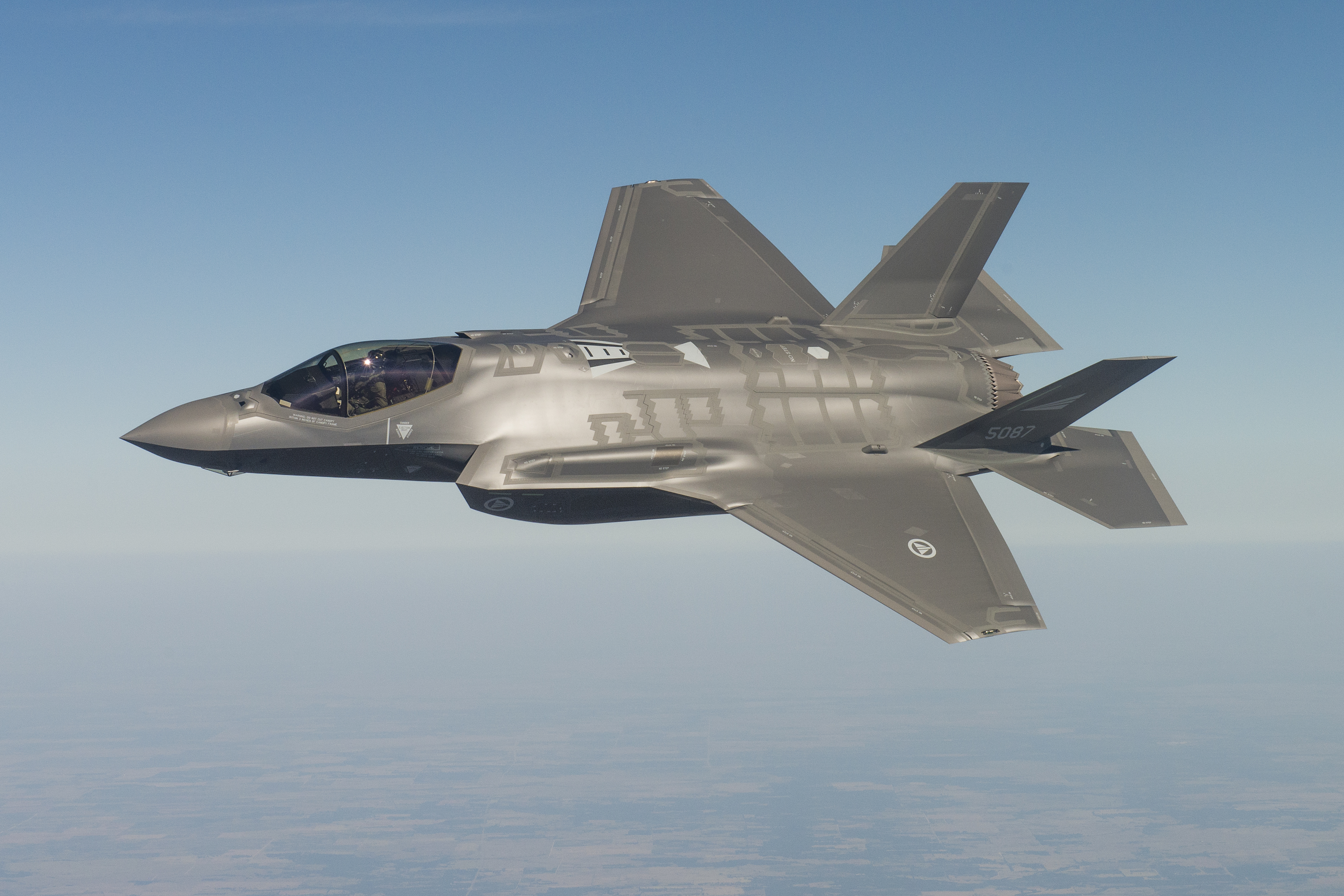
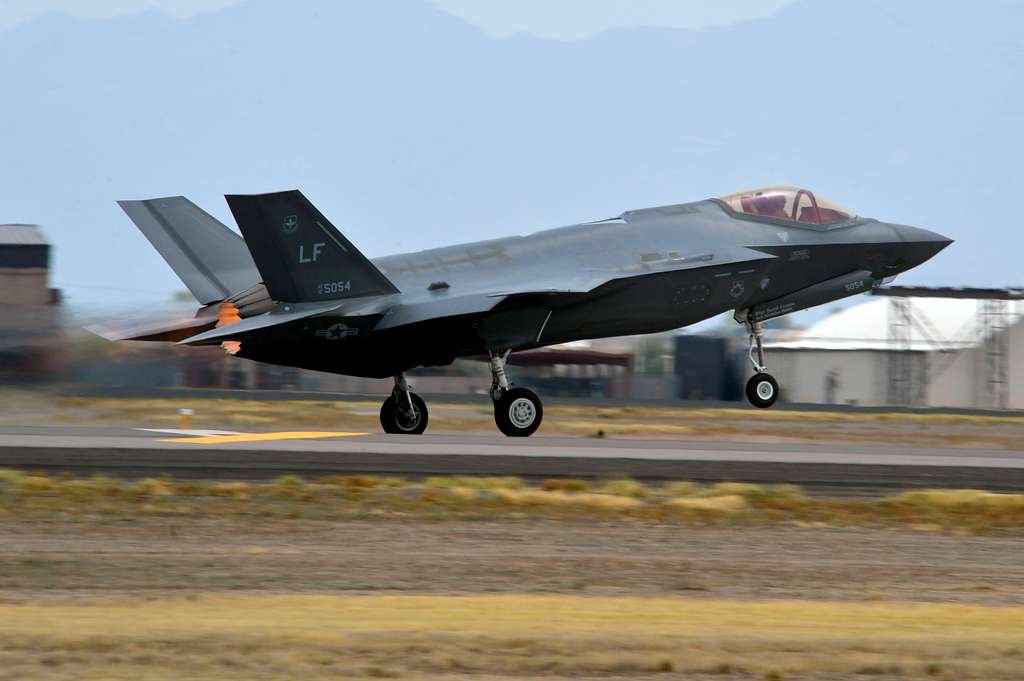
U.S. authorities are trying to recover unserviceable F-35 Lightning II components diverted from an Australia-to-United States repair route to Hong Kong. The Pentagon’s F-35 Joint Program Office has confirmed a shipment issue and says it is working with authorities and industry partners to retrieve the hardware, investigate the incident and prevent another occurrence.

The parts were being transported by an intermediary for prime contractor Lockheed Martin, according to Politico’s acz`count of the investigation. Their current location and custodian have not been publicly identified. The transportation mode also remains undisclosed, and U.S. officials have not publicly established how the diversion occurred. Australia’s defense minister has described it as a mistaken diversion, but that does not explain the chain of events or assign responsibility.
One reported item was an F-35 canopy associated with the aircraft’s low-observable design. Australia’s defense minister said it was his understanding that the shipment contained no sensitive parts, while Lockheed Martin characterized the unserviceable components as presenting a low exploitation risk. There is no public evidence that Chinese authorities or the Chinese military obtained or examined the hardware.
A custody problem before it is a technology claim
The confirmed issue is narrower and more concrete than speculation about what another government might learn. Equipment belonging to a controlled multinational fighter program did not arrive at its intended repair destination, and the responsible organizations have not publicly accounted for its present custody.
That distinction matters. An unserviceable component is not necessarily worthless or free from handling restrictions, but its diversion does not by itself prove technology compromise. The investigation must establish the shipment’s route, each transfer of custody, who authorized any routing changes and whether the physical count matches the shipping records. Those are basic accountability questions, not conclusions about espionage or exploitation.
The F-35 support model makes those questions consequential. U.S. and allied operators draw from a shared pool of government-owned spare parts positioned across multiple countries. Components routinely move among operating locations, maintenance sites and specialized repair facilities. Lockheed Martin manages the global supply chain, while outside logistics providers can handle individual shipments.
That arrangement buys fleet operators access to a distributed support network without requiring every country to duplicate every repair capability. It also creates more organizational handoffs. Each handoff requires a reliable match among the physical item, its identifier, its approved destination and the accountable-property record. When routing and property systems do not remain synchronized, managers can lose visibility even if a component is still somewhere inside a commercial logistics network.
Earlier accounting weaknesses raise the stakes
A 2023 Government Accountability Office review found that the Defense Department lacked sufficient accountable-property records to capture real-time changes in F-35 spare-parts inventory. The program had reported more than 1 million parts missing over the preceding five years. GAO also found that the department could not review losses valued in the tens of millions of dollars because relevant data was controlled by Lockheed Martin.
Those findings do not establish why this shipment reached Hong Kong. They do, however, show why investigators cannot treat the case solely as an isolated shipping error. A program that relies on contractor-managed records and a globally dispersed pool needs government visibility sufficient to reconstruct a component’s custody without waiting for several organizations to reconcile separate systems.
For taxpayers, the issue is not simply whether every missing record represents a permanently lost part; GAO’s figure covered reported missing property and does not prove that all of it disappeared physically. The public-accountability concern is whether the government can independently determine what it owns, where it is and what losses require review. Without that visibility, officials cannot consistently assess replacement costs, identify recurring process failures or distinguish a documentation gap from a genuine loss.
For F-35 operators, tighter controls carry a tradeoff. Additional verification, restricted routing and more custody checks can slow movements through an already complex repair network. Weak controls, however, can produce their own delays when a shipment must be located, quarantined, investigated or replaced. The practical objective is traceability that follows the part without obstructing routine sustainment.
State Department and Pentagon officials began briefing congressional staff on national-security committees in June, and the House Armed Services Committee has said it is continuing oversight. The decisive next facts are still missing: where the components are now, who controlled them after diversion, why the route changed and whether their condition and seals can be verified. Until those points are established, Chinese access remains unconfirmed but so does the F-35 program’s custody of its own hardware.
| More aerospace and engineering stories, right in your MSN feed. Follow AMI on MSN |
By David Whitaker — Associate editor for AMI’s aerospace and drone systems desk, translating flight systems, aircraft programs, spaceflight, and UAV developments into accessible technical stories.