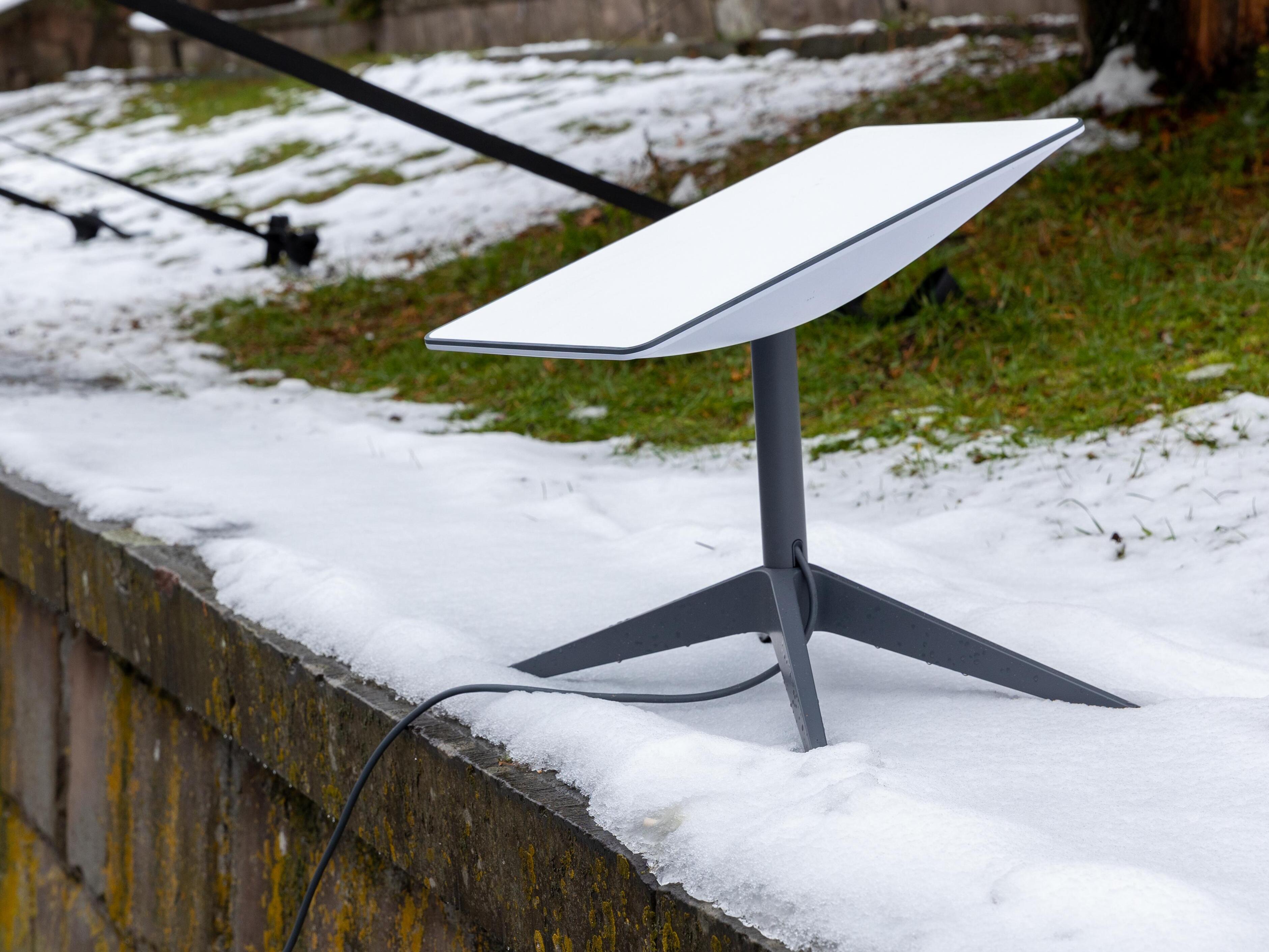
SpaceX Starshield Trial Shows New Zealand Utility but No Supplier Alternative
New Zealand’s military has identified a potentially useful secure-communications service that it says no alternative supplier can provide. The New Zealand Defence Force completed a six-month trial of SpaceX’s Starshield network and reported “potential utility,” but it has not committed to buying the service.
The trial, confirmed on November 8, 2026, examined secure, military-grade internet and data transfer. Defence withheld its detailed findings because releasing them could prejudice national security, defence or international relations. It said any purchase would still have to pass through normal capability-management and acquisition processes.
The procurement route already shows how access would work. New Zealand obtained the trial through the US government’s Foreign Military Sales system rather than contracting directly with another competing provider. Defence told its minister that the NZDF cannot procure the deliverables from any other supplier and would have fewer satellite-communications options without Starshield.
More connectivity, but not more supplier diversity
Starshield’s practical attraction is straightforward. The NZDF already uses the civilian-focused Starlink network, while Starshield was presented as offering higher encryption and greater protection against counterspace threats. Adding it could broaden the military’s available communications paths and provide access to US program management, technical support and purchasing power on a not-for-profit government basis.
Yet another communications option is not necessarily another independent option. The requested capability would still rely on SpaceX infrastructure, US approval and the Foreign Military Sales process. New Zealand would gain a service path, but not supplier competition for that particular set of deliverables.
That distinction affects readiness planning. Satellite communications support command, coordination and information exchange when terrestrial networks are unavailable or unsuitable. NATO’s published space approach similarly treats secure satellite communications as essential while warning that space systems must operate in disrupted, denied and degraded conditions. Resilience therefore depends on more than encryption or satellite numbers; it also depends on whether users can retain access and move among providers or architectures when conditions change.
New Zealand enters that decision with limited sovereign infrastructure. It is almost entirely reliant on Five Eyes partners for space capabilities, making foreign systems a practical route to advanced service without the expense and long lead time of building a national constellation. The tradeoff is reduced control over service terms, upgrades and continuity.
The contract governs part of the capability
For a privately operated network, contractual authority becomes part of the system design from the customer’s perspective. Hardware performance and coverage may be strong, but the usable military capability also rests on who can modify service, what notice is required and what continuity provisions apply.
A 2026 Starshield service restriction in Ukraine illustrated that exposure. Ukrainian officials reported a temporary change that affected some uses before normal service was restored. The party responsible for imposing the restriction remained disputed, according to a Center for Strategic and International Studies analysis. For New Zealand, the relevant point is institutional rather than tactical: a foreign government and private operator retain substantial control over a defence-critical service.
The US procurement channel can reduce some direct commercial risk by placing government processes around the arrangement. It does not create a second supplier, however. A future acquisition would need to be judged partly on whether its contract provides adequate service assurances and how Starshield fits alongside other communications paths rather than becoming the default path for every requirement.
Taxpayers also inherit a defined liability
The trial required New Zealand’s defence minister to sign an indemnity shielding the United States from damages claims. Judith Collins signed it in December 2025, about 18 months after internal NZDF emails first explored faster access to Starshield. Defence assessed a loss under the indemnity as unlikely and unlikely to exceed NZ$10 million.
That figure is an exposure estimate, not an announced cost or expected payment. It nevertheless places a public liability beside a trial whose detailed results, risk assessment and cost-benefit case have not been released. Taxpayers can see the upper range described to the minister, but not yet the evidence needed to compare that exposure and any future service price with the communications benefit.
The NZDF’s next acquisition process will have to resolve that imbalance. Starshield has cleared the first operational question by showing potential utility. The harder procurement question is whether New Zealand can secure dependable access, acceptable public liability and sufficient fallback options when the requested service exists through only one supplier channel.
| More aerospace and engineering stories, right in your MSN feed. Follow AMI on MSN |
By David Whitaker — Associate editor for AMI’s aerospace and drone systems desk, translating flight systems, aircraft programs, spaceflight, and UAV developments into accessible technical stories.