VH-92A Presidential Helicopters Won’t Fully Replace Older Fleet Until About 2030
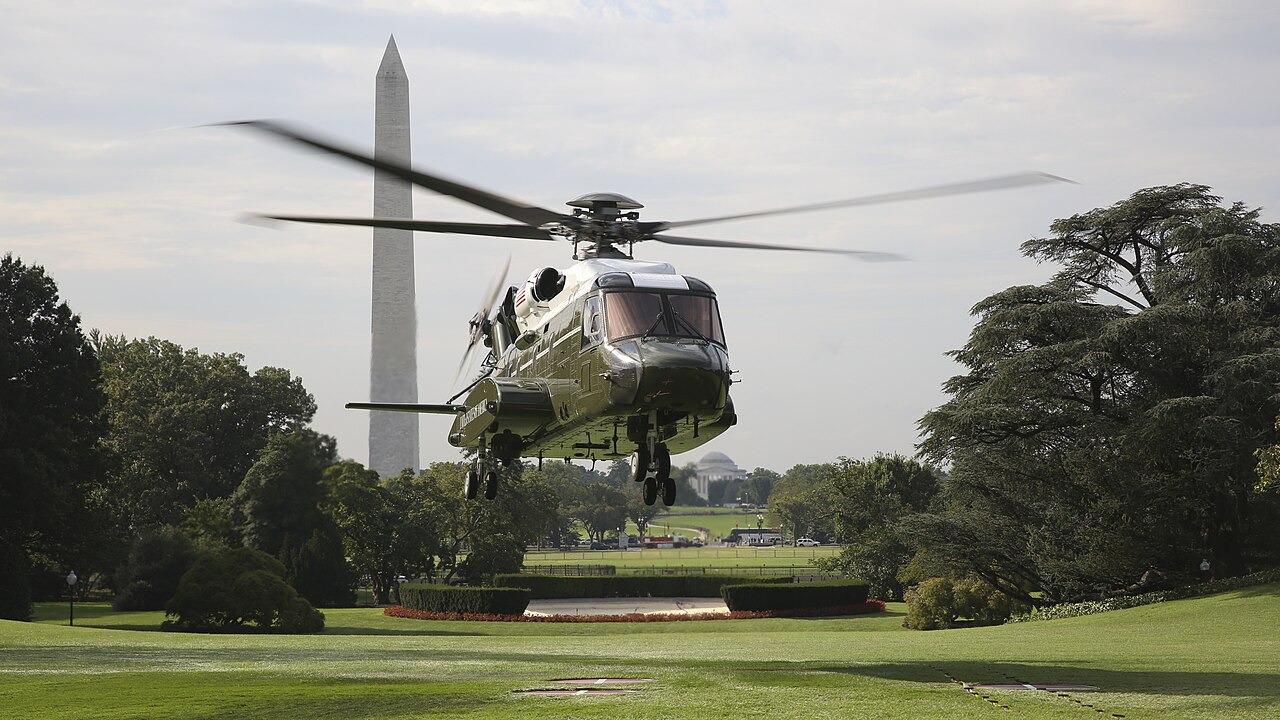
All 23 Sikorsky VH-92A presidential helicopters have been delivered, and the aircraft has already carried a sitting president under the Marine One call sign. Yet the Marine Corps’ 2026 Aviation Plan places the full transition at roughly 2030 about seven years later than an earlier 2023 endpoint because delivering the airframes did not finish the communications, performance and operating work required for the entire presidential mission.

Marine Helicopter Squadron One, or HMX-1, therefore continues to operate three presidential helicopter types: the new VH-92A Patriot, the VH-60N White Hawk and the aging VH-3D Sea King. The current plan anticipates the VH-3D serving through 2026 and the VH-60N remaining through 2030. That makes 2030 a planning target for completing the transition, not a guaranteed date for the last legacy-aircraft flight.
Production completion is not mission completion
The VH-92A program of record covers 21 operational aircraft and two test aircraft. The Navy accepted the last one in August 2024, completing a production run that began with a contract awarded to Sikorsky in 2014. The Marine Corps had declared initial operational capability in December 2021, began operational missions in 2022 and used a VH-92A to carry a sitting president as Marine One for the first time in August 2024.
Those milestones confirm that the helicopter can perform presidential-support missions, but they do not mean it is ready to absorb every assignment previously divided among the older types. The VH-92A combines a Federal Aviation Administration-certified commercial S-92 airframe with government-defined mission systems. Certification of the underlying civil aircraft provides a mature starting point; integrating specialized equipment and validating the finished configuration across demanding operating conditions remain separate tasks.
Continuing improvement work identified in reporting on the aviation plan includes beyond-line-of-sight communications, additional bandwidth and better performance at high altitudes and temperatures. These are mission-level requirements rather than basic measures of whether the helicopter can fly. A presidential transport must maintain communications and support continuity of operations across a wider set of locations and environmental conditions than a routine commercial mission.
The older fleet still covers operating boundaries
The planned retention of the VH-60N through 2030 provides HMX-1 with a helicopter already suited to hot-and-high operations while VH-92A improvements continue. High temperature and elevation both reduce rotorcraft performance by lowering air density, which affects the margin available for lift. For HMX-1, that constraint matters because the presidential mission travels rather than operating from one standardized base.
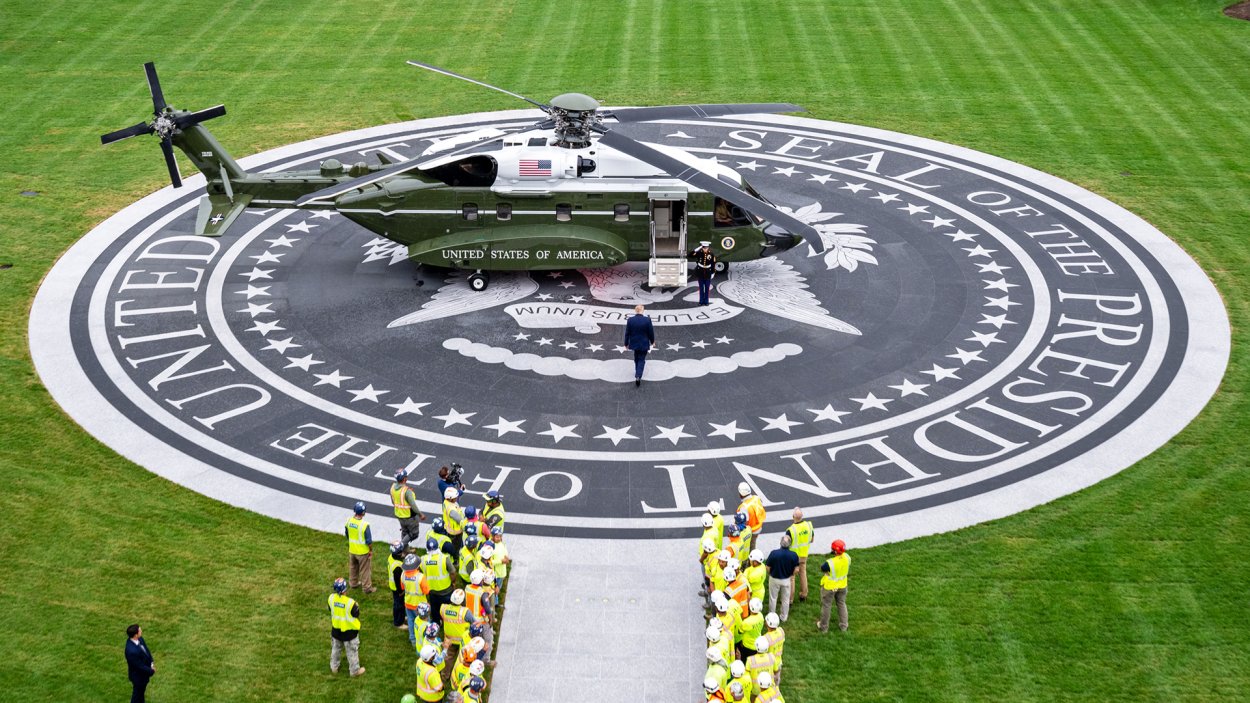
The White House introduced another unusually specific integration problem. Reported exhaust and rotor effects had constrained VH-92A operations on the South Lawn until a new granite helipad entered operational use. The aircraft has since used that landing surface operationally, but the episode illustrates why replacing a presidential helicopter is partly an infrastructure project: the new platform must work with a highly restricted site, not merely meet airborne performance requirements.
Mixed-fleet operations buy flexibility, but they also extend the maintenance and logistics burden. HMX-1 must sustain different airframes, parts inventories, training requirements and support arrangements while introducing modifications to the VH-92A. Presidential helicopters also travel aboard Air Force cargo aircraft for overseas movements, adding transportability and deployed support to the integration workload.
Further spending follows aircraft delivery
A Government Accountability Office report previously estimated total VH-92A acquisition cost at $5.1 billion, although the reviewed public material does not provide a verified current all-in figure. Production completion also does not end program spending. A reported $107.3 million contract extending through March 2031 covers rotor-blade modifications intended to improve flight characteristics, while a separate reported $113.5 million modification funds logistics and sustaining-engineering support.
Those awards reflect two different costs of fielding a specialized aircraft. Modification funding addresses how the platform performs; sustainment funding supports the people, engineering and supply system needed to keep it available. Neither category disappears when the final production helicopter leaves the factory.
“Marine One” is the call sign assigned to any Marine Corps aircraft carrying the president, rather than the name of the VH-92A itself. For the rest of the decade, that call sign can still apply to more than one helicopter type. The visible transition began when the VH-92A carried the president, but it will be complete only when HMX-1 no longer needs the older aircraft to cover the mission’s remaining technical and operating boundaries.
| More aerospace and engineering stories, right in your MSN feed. Follow AMI on MSN |
By David Whitaker — Associate editor for AMI’s aerospace and drone systems desk, translating flight systems, aircraft programs, spaceflight, and UAV developments into accessible technical stories.