

F-16 Pilot Leaves Hospital as Air Force Investigates Germany Crash
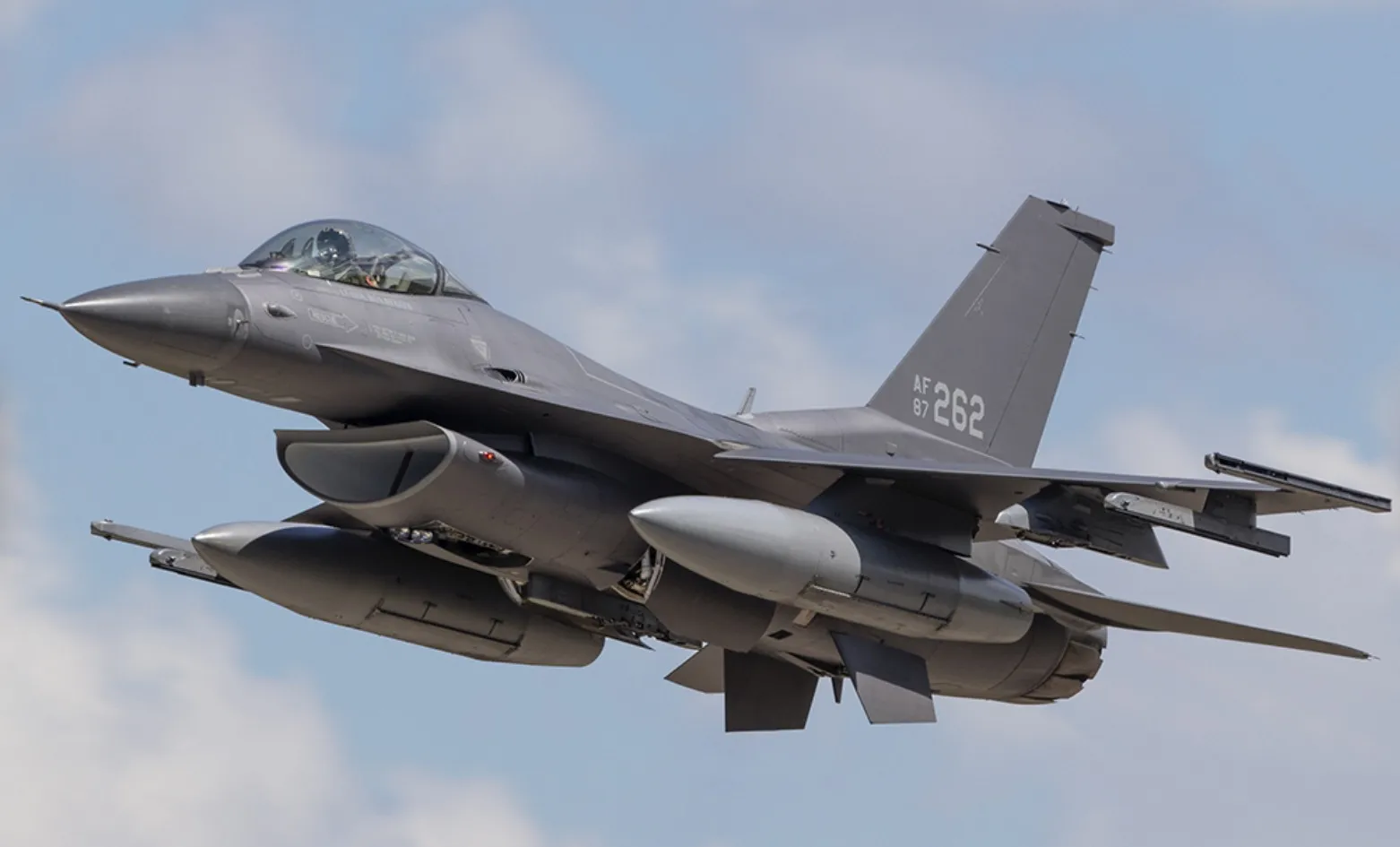
The pilot of a U.S. Air Force F-16 Fighting Falcon that crashed while returning from training in Germany sustained minor injuries and has been released from the hospital. The 52nd Fighter Wing said its investigation remains underway, leaving the central question why the fighter was lost on approach unanswered.
The F-16 crashed at Spangdahlem Air Base at approximately 2:30 p.m. local time on September 22. The pilot ejected, survived and received medical care. Emergency crews, supported by German responders, dealt with a fire after impact.
The aircraft was part of a four-F-16 training flight. After the crash, the other three fighters diverted to Ramstein Air Base and landed safely. That diversion is the clearest confirmed operational consequence beyond the loss of the aircraft: the formation could not complete its planned return to Spangdahlem, and another installation had to receive the remaining jets.
What the investigation has and has not established
The Air Force has confirmed where the aircraft was in its flight sequence: it was approaching Spangdahlem after a routine training mission. That fact defines the phase of flight but does not identify a failure, mistake or external event. No cause has been released, and the service says further causal details cannot be disclosed while the inquiry is active.
The investigation is being conducted under established Air Force mishap-investigation procedures and Air Force Safety Center requirements. At this stage, the publicly confirmed record supports three conclusions only: the aircraft was lost during its return, the ejection system enabled the pilot to survive, and the accompanying aircraft landed safely after diverting.
It does not support attributing the crash to maintenance, aircraft age, pilot action, weather, the airfield or a specific onboard system. The post-impact fire likewise establishes a consequence of the crash, not its cause. Reports that the jet came down on the base golf course beneath the approach to Runway 04 remain attributed reporting rather than an official investigative finding.
The pilot’s release from the hospital is a significant safety update because it replaces the initially undisclosed injury status with a confirmed outcome. It does not, however, answer whether the ejection occurred in response to a mechanical problem, a flight-control issue or another condition. Any such explanation would run ahead of the investigation.
A diversion is a response, not a diagnosis
Sending the other three F-16s to Ramstein separated them from the crash response at Spangdahlem and provided an alternate place to land. The available information does not establish why that choice was made beyond the immediate accident response, nor does it show that those aircraft had technical problems.
That distinction matters when assessing fleet implications. A single aircraft loss can lead investigators to examine maintenance records, operational circumstances and aircraft systems, but no broader maintenance action, grounding or fleet restriction has been announced in the information released so far. Until investigators identify a cause, the crash cannot reasonably be presented as evidence of a defect affecting the wider F-16 force.
Spangdahlem hosts the 480th Fighter Squadron, part of the 52nd Fighter Wing. Its F-16s perform the specialized mission of suppressing enemy air defenses. Losing one aircraft is therefore a real equipment and training consequence for the wing, but the available findings do not quantify any effect on readiness or future flying schedules.
The Germany accident occurred five days after a Texas Air National Guard F-16 crashed during training in Michigan. That pilot also ejected successfully. The proximity of the dates makes the two losses notable, but both remain under investigation and there is no confirmed information connecting them. Similar aircraft type and timing are not substitutes for a common causal finding.
The next meaningful development will be an officially releasable investigative result or an operational action tied to one. Until then, the strongest established outcome is also the most immediate one: the F-16 was destroyed, but its pilot escaped with minor injuries and left the hospital the following day.
| More aerospace and engineering stories, right in your MSN feed. Follow AMI on MSN |
By David Whitaker — Associate editor for AMI’s aerospace and drone systems desk, translating flight systems, aircraft programs, spaceflight, and UAV developments into accessible technical stories.