Final MV-22B Delivery Shifts 359-Aircraft Fleet to Sustainment Through 2055
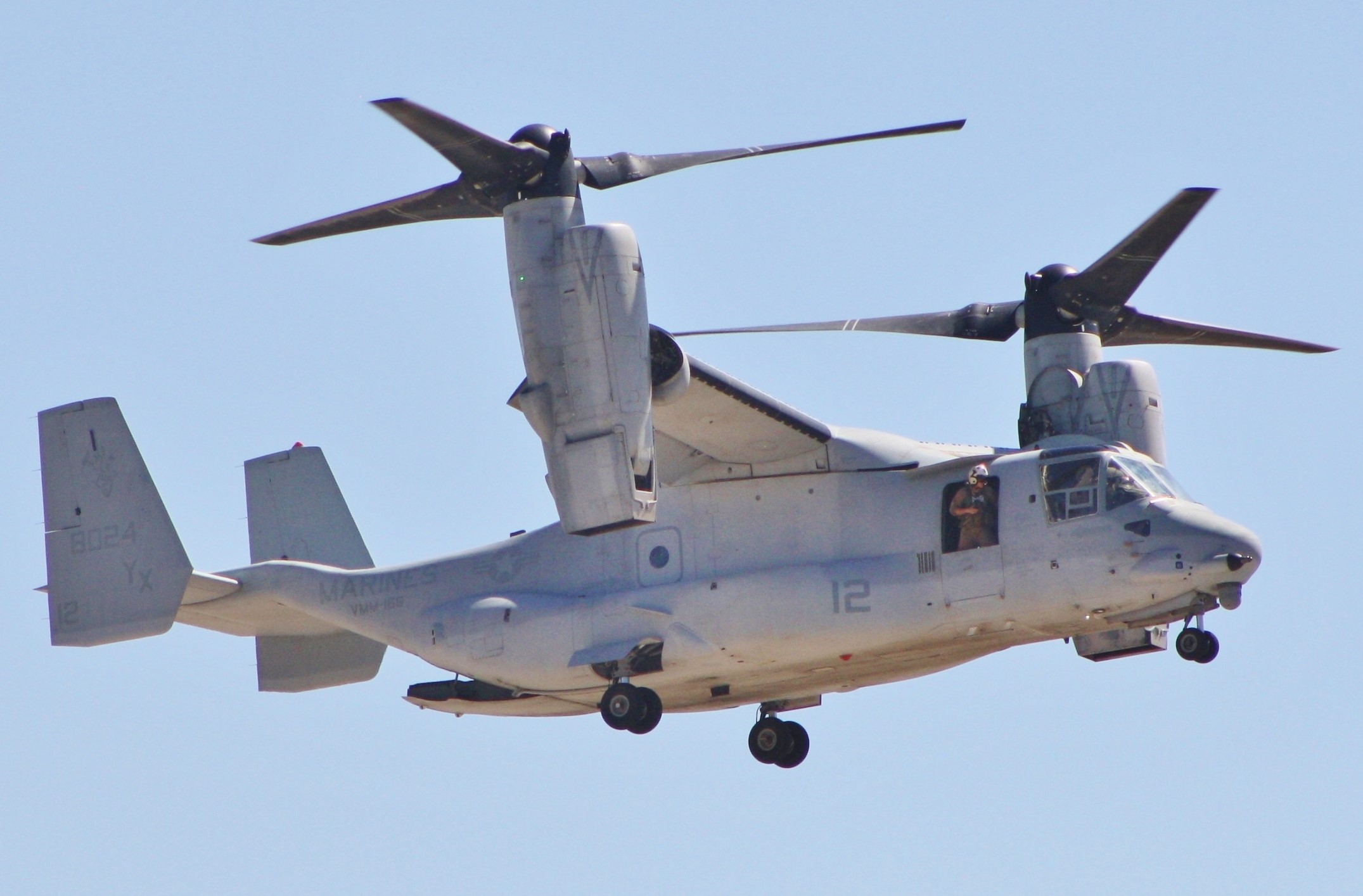
The U.S. Marine Corps received its 359th and final MV-22B Osprey on July 28, 2026, completing two decades of procurement and moving the tiltrotor program from fleet fielding to sustainment and modernization. The milestone, confirmed in a Marine Corps announcement, puts maintenance, configuration control and safety-related component improvements at the center of readiness planning for a fleet expected to serve through 2055.

This is not the end of the Osprey program in an engineering or budgetary sense. It is the point at which the work changes. With no additional Marine MV-22Bs left to deliver under the program of record, the service must preserve capability by upgrading existing aircraft, managing component life and reducing the maintenance burden across airframes of different ages and configurations.
That matters because the MV-22B supplies approximately 75% of the Marine Corps’ rotary-wing assault-support capability, according to Lt. Gen. William Swan, deputy commandant for aviation. The fleet has accumulated more than 686,500 flight hours across 114 operational deployments since reaching initial operational capability in 2007. Those figures establish both the aircraft’s operational importance and the scale of the sustainment workload now ahead.
Modernization now becomes a readiness program
The MV-22B’s defining design feature is its ability to rotate its propulsion system between vertical flight and airplane-like forward flight. That lets it hover and operate from ships or austere sites while offering more speed and range than the CH-46 Sea Knight it replaced. The same tiltrotor architecture, however, brings a mechanically and electrically complex set of systems that must remain supportable for nearly three more decades.
The Marine Corps says its current modernization work includes improving nacelle wiring to reduce maintenance hours, pursuing improved proprotor gearboxes made with triple-melted, refined steel components, standardizing aircraft configurations and redesigning key components for better safety and sustainability. Each addresses a different part of the readiness equation.
Wiring improvements target labor demand and aircraft downtime. Configuration standardization can reduce the number of different parts, procedures and training baselines that maintainers must manage across the fleet. Component redesigns and improved materials are intended to support safety and durability. Taken together, these efforts show why sustainment is more than replacing worn parts: it is an ongoing engineering campaign to keep an aging fleet available and technically consistent.
Standardization will be particularly important because a 359-aircraft fleet accumulated over two decades does not automatically represent one common hardware baseline. As modifications enter service, planners must decide how quickly they can be installed, how aircraft move through maintenance, and how older and newer configurations can be supported simultaneously. The Marine Corps has not disclosed a detailed upgrade schedule, sustainment budget or fleetwide completion timetable.
Gearbox restrictions remain an operating boundary
The final delivery also does not remove existing operating constraints. Naval Air Systems Command says flight-distance restrictions remain in effect and vary according to the type of proprotor gearbox installed on an aircraft. That makes gearbox configuration more than a maintenance record: it can affect how an individual MV-22B is assigned and operated.
A separate flight-hour restriction associated with the input quill assembly was implemented in February 2023. Marine spokesman Capt. Jacob Sugg said no additional hard clutch engagements have been reported since then. Investigators determined that a hard clutch engagement caused the June 2022 MV-22B accident that killed five Marines, and the broader issue contributed to a temporary grounding of military Osprey fleets in 2023.
Those facts should not be read as evidence that all gearbox-related restrictions have been lifted; they have not. Nor does the absence of reported hard clutch engagements since February 2023 establish that every underlying sustainment question is resolved. The confirmed position is narrower: restrictions and component-management measures remain part of current operations while redesign and gearbox-improvement work continues.
The final aircraft therefore closes the acquisition chapter but increases the importance of disciplined fleet management. For the Marine Corps, success through 2055 will depend less on accepting new airframes and more on reducing maintenance hours, controlling configurations, introducing improved components and managing restrictions without losing too much availability. The Osprey’s next phase will be measured not by delivery totals, but by how reliably the service can extract readiness from the 359 aircraft it already owns.
By David Whitaker — Associate editor for AMI’s aerospace and drone systems desk, translating flight systems, aircraft programs, spaceflight, and UAV developments into accessible technical stories.