Ford Recalls 565,691 Broncos as Harness Abrasion Raises Fire Risk
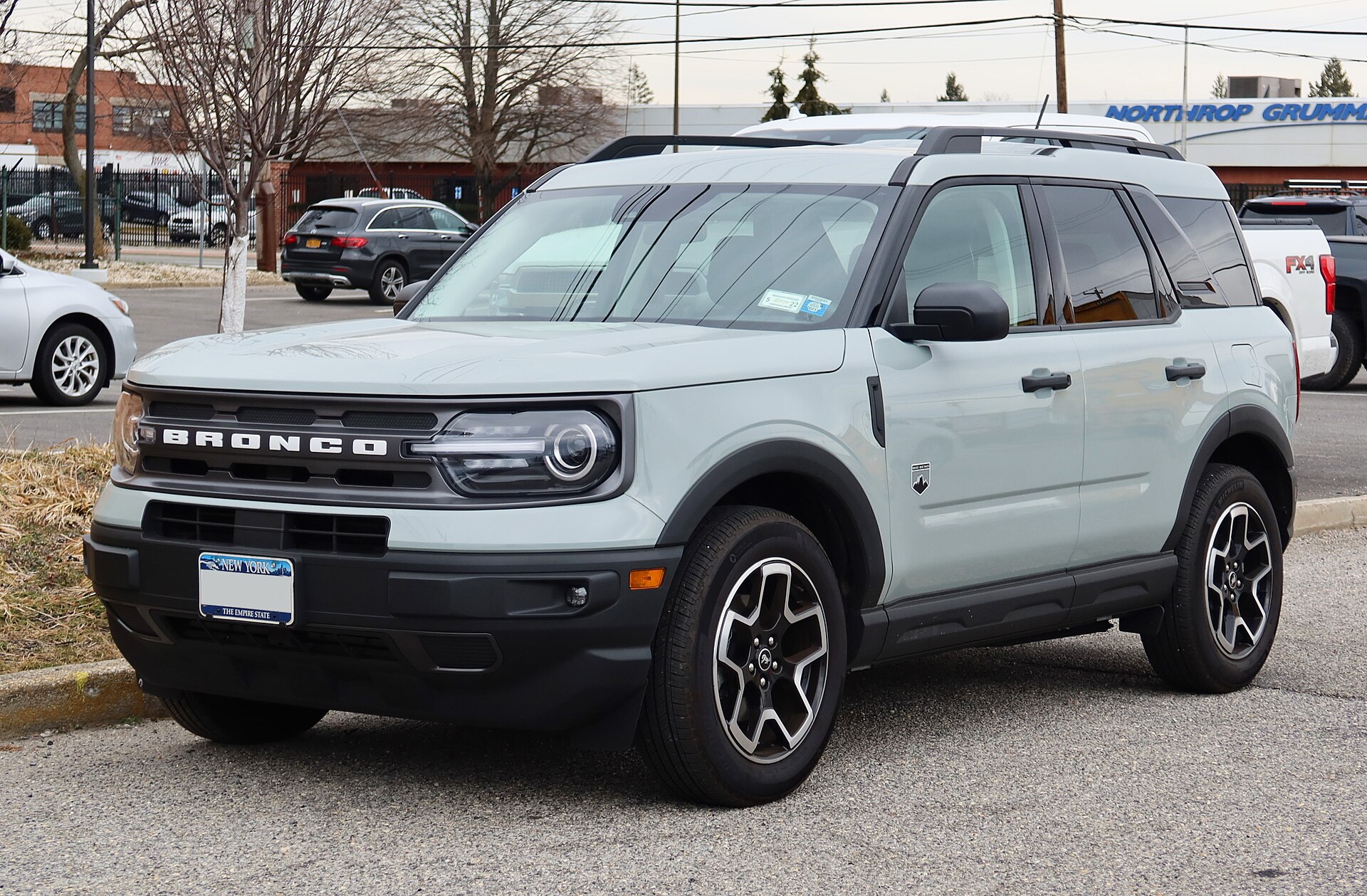
Ford issued a recall on July 24, 2026, covering 565,691 Bronco and Bronco Raptor sport utility vehicles from model years 2021 through 2026 because insufficient protection can allow an engine-compartment wiring harness to rub against nearby components. According to documents filed with the National Highway Traffic Safety Administration, the resulting wire exposure could produce a short circuit, electrical arcing and a possible engine-compartment fire. Ford’s remedy adds protective sheathing and abrasion tape, directly addressing the reported harness-movement and chafing condition.

The campaign is identified as Ford recall 26S55 and federal recall 26V468. Vehicle identification numbers covered by the campaign are now searchable through the federal recall system, according to the published recall details. Ford plans to mail owner notices from August 24 through August 28, and the repair will be completed without charge at Ford or Lincoln dealerships.
What owners should watch for
The reported warning signs are smoke entering through the cabin air vents, a warning message in the instrument cluster and flames appearing near the passenger side of the engine compartment. These signs do not establish that every warning message or smoke event has the same cause, but owners should not dismiss them if they occur in a potentially affected Bronco.
The available recall information does not specify what immediate actions Ford directs drivers to take if these symptoms appear. Owners should obtain that safety guidance directly from Ford or a dealer rather than relying on assumptions about the vehicle’s condition. Ford customer service can be reached at 1-866-436-7332, while the National Highway Traffic Safety Administration’s Vehicle Safety Hotline is 1-888-327-4236.
Ford identified 15 fire events between October 15, 2024, and June 20, 2026, that may have originated in the engine-compartment wiring harness. The company reported no related crashes or injuries. Ford also estimates that approximately 1% of the recalled population has the defect, but recall eligibility not that estimate determines whether a particular vehicle should receive the repair.
Why sheathing and abrasion tape matter
An engine-bay wiring harness must tolerate vibration, movement, temperature changes and contact risks throughout the vehicle’s service life. Convolute sheathing provides a physical barrier around the harness, while abrasion tape adds protection at areas subject to rubbing. In this recall, dealers will install both to prevent chafing and reduce the possibility that internal conductors become exposed and short against each other or nearby material.
That remedy identifies inadequate abrasion protection as the engineering issue being addressed, but it does not answer every technical question. The available information does not identify the affected circuit, precise contact location, harness supplier, inspection criteria or any production change for later vehicles. It also does not provide a breakdown showing how the 565,691 vehicles are distributed among the six model years or between the Bronco and Bronco Raptor.
Those limits matter because the campaign covers a broad production span, but owners should not infer that every 2021–2026 Bronco is necessarily included. Recall campaigns are normally applied by vehicle identification number and production configuration. Owners receiving a notice should arrange the free repair, and others with a potentially affected model should contact Ford or a dealer to confirm their vehicle’s status.
The practical takeaway is straightforward: this is a defined wiring-protection repair, not a diagnosis owners should attempt from visible symptoms alone. Protective sheathing and abrasion tape are comparatively simple components, but their placement is part of the vehicle’s electrical safety architecture. Completing the dealer remedy removes uncertainty at the vehicle level and restores the intended physical separation between the harness and nearby engine-compartment hardware.
By Thomas Caldwell — AMI’s senior editor for mechanical and mobility engineering, covering vehicle electronics, systems integration, electrification, chassis systems, propulsion, and safety policy.