CBO Projects Stealth Majority by 2033, Fighter Availability at 35–45% by 2040
The Congressional Budget Office projected in July 2026 that stealth aircraft will exceed half of the U.S. military fighter force by 2033, but that a smaller share of the overall fleet will be available for operations and training. By 2040, CBO estimates availability will fall to 45% for Air Force fighters and 35% for Navy fighters a widening gap between the capability of individual aircraft and the number ready to fly.

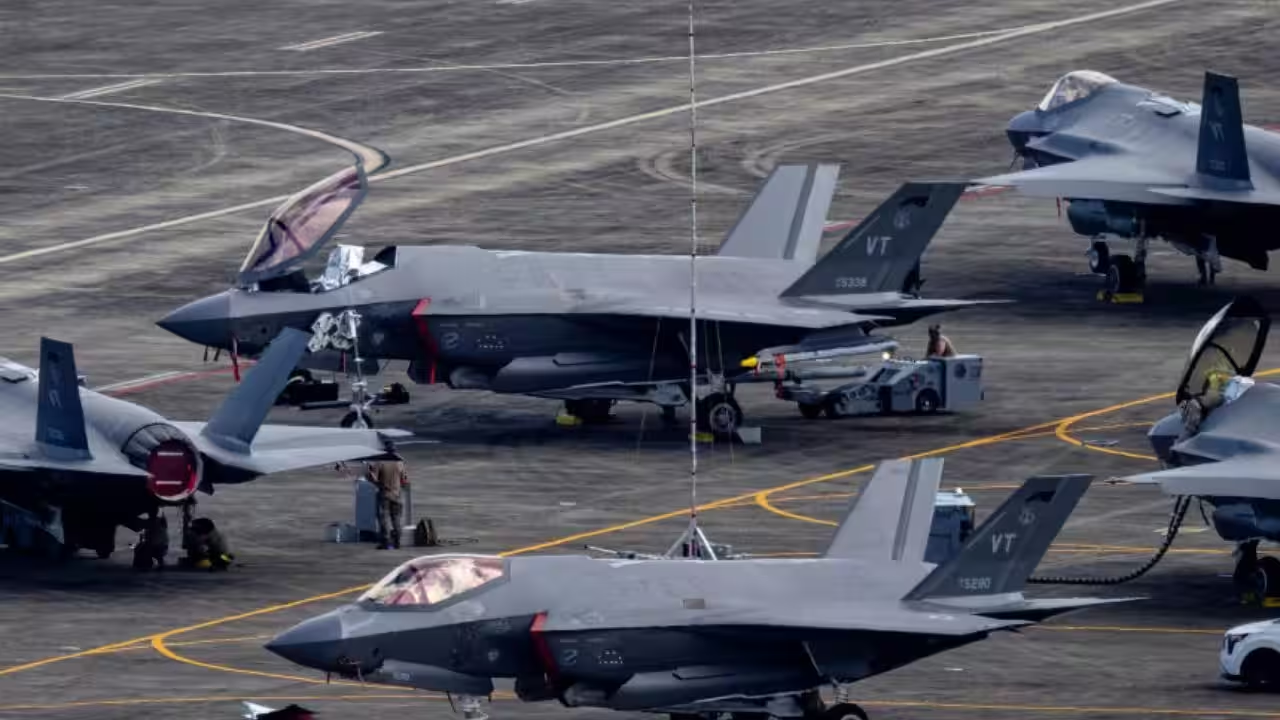
The force itself is expected to contract before recovering. CBO projects that the Department of Defense fighter inventory will decline to 3,000 aircraft by 2029, then rise to 3,600 by 2040. Stealth aircraft including the F-35A, F-35B, F-35C and planned F-47 and F/A-XX are projected to grow from 27% of the force in 2025 to more than 50% in 2033.
That transition buys reduced detectability and newer mission systems, but it does not automatically produce more usable flight capacity. CBO also projects declining annual flying hours as maintenance-intensive stealth aircraft occupy a larger share of the fleet and older fighters require continued support. Availability measures whether aircraft can be used, while fleet size is only a count of aircraft in the inventory. The two figures can therefore move in opposite directions.
Sustainment is becoming the controlling variable
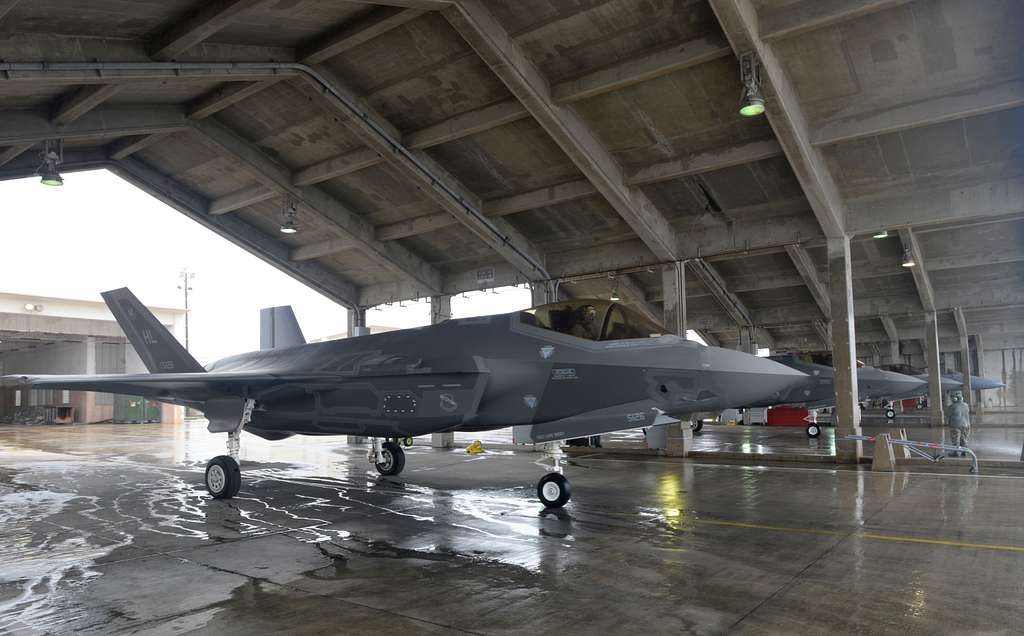
The most immediate warning comes from the F-35 fleet. A June 2026 Government Accountability Office assessment found that the fighter’s full mission-capable rate had fallen to 25% by fiscal 2025 amid spare-parts shortages and persistent sustainment-management problems. Full mission capable is a more demanding measure than general availability because it requires an aircraft to perform all of its assigned missions, but the result still shows how support performance can constrain advanced hardware.
The Pentagon is putting substantially more money into that support system. The F-35 Joint Program Office awarded Lockheed Martin a record $1.6 billion spare-parts contract in July 2026, covering base, global, deployment and afloat packages. According to details of the parts award, the program uses a shared global pool rather than assigning every operator a fully separate inventory. That structure can provide scale, but allocation, positioning and oversight become as important as the number of parts purchased.
Legacy aircraft create a different sustainment problem. The F-16C/D fleet is projected to average 48 years old by 2040. Keeping selected older fighters in service may preserve aircraft numbers, but it also requires parts, depot capacity, structural work and experienced maintainers that must be funded alongside newer platforms. A September 2025 Mitchell Institute assessment listed 1,386 active fighters with an average airframe age of 26 years and a 59% mission-capable rate, down from 81 Cold War squadrons to 31.
A mixed fleet could preserve capacity, with limits
One proposed answer is a heterogeneous force rather than an all-stealth crewed fleet. Analysts Mark Gunzinger and Heather Penney have advocated retaining selected upgraded F-15Es and F-16s while adding F-35s, future F-47s and Collaborative Combat Aircraft. Under that concept, uncrewed aircraft would supplement crewed fighters with sensing, electronic-warfare and weapons capacity rather than replace them outright.
This remains an analytical proposal, not a confirmed procurement architecture. Researchers Bradford Lott and Mark Gallagher argue that uncrewed systems cannot yet eliminate the need for crewed aircraft across air-superiority, suppression and precision-strike missions. Gregory Allen and Isaac Goldston likewise warn that additional requirements, expensive sensors, low production volumes and legacy procurement practices could turn nominally affordable autonomous aircraft into costly, over-specified systems.
Integration adds another engineering bill. Collaborative aircraft need compatible hardware, software, doctrine and training to work with crewed fighters. If those requirements expand faster than production volume, the military could gain sophisticated prototypes without securing the inexpensive mass that gives the concept much of its value.
The continued introduction of non-stealth aircraft illustrates why fleet modernization is unlikely to follow a single design path. The Air Force is preparing Kadena Air Base for the F-15EX, with a June 2026 visit used to validate maintenance procedures, logistics requirements and operating practices before permanent fielding. That work highlights a basic reality: readiness is built through maintainers, spares, software support and tested procedures, not simply aircraft deliveries.
CBO’s projection does not say stealth modernization is the wrong direction. It shows that aircraft sophistication and available capacity are separate outcomes. The decisive measure will be whether the United States can sustain flying hours and regenerate usable aircraft as the fleet changes not merely whether stealth fighters become the majority on paper.
By David Whitaker — Associate editor for AMI’s aerospace and drone systems desk, translating flight systems, aircraft programs, spaceflight, and UAV developments into accessible technical stories.