Whiteman Plan Sends 24 F-15E Fighters in 2031, Preserving Reserve Wing
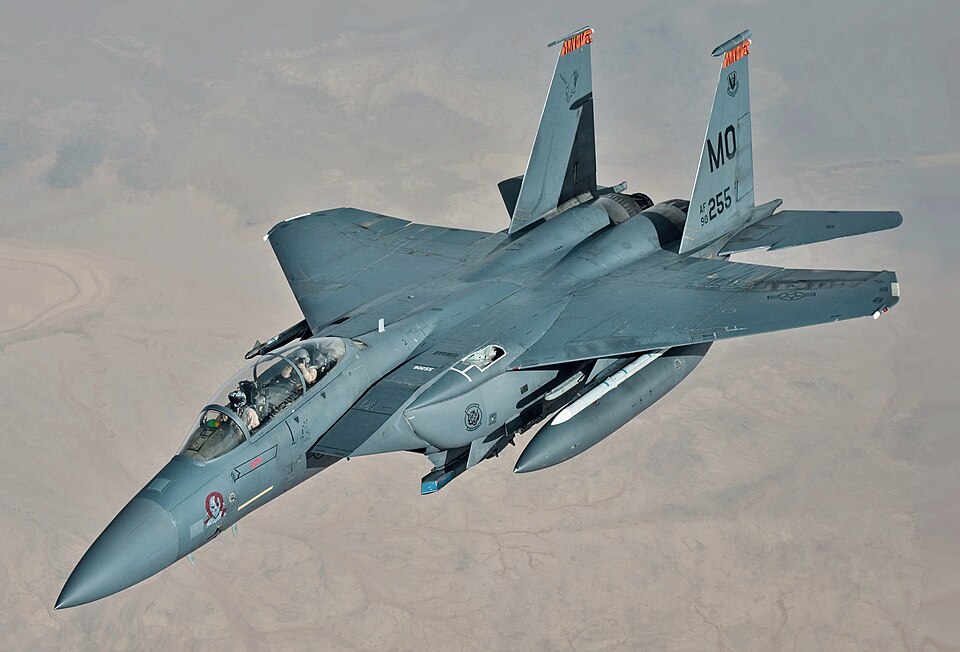
The Department of the Air Force approved an initial basing framework on July 30, 2026, identifying Whiteman Air Force Base in Missouri as the sole candidate for 24 F-15E Strike Eagles beginning in fiscal 2031, according to a release from Representative Mark Alford’s office. The planned assignment would preserve the Air Force Reserve’s 442nd Fighter Wing as a combat-coded fighter unit after its A-10 aircraft retire, but it is not yet a final basing decision.

The approval covers the enterprise definition, site-survey criteria and candidate location for the future mission. Air Force Reserve Command must still designate a preferred location, complete an environmental review and issue a final decision. Alford described the selection as “the first in several steps,” while an Air Force spokesperson told Air & Space Forces Magazine that a preferred-location decision is expected in 2027 and a final decision in 2029. Initial operational capability is anticipated in 2032, followed by full operational capability in 2034.
The aircraft must come from the existing fleet
The difficult part is not selecting Whiteman. It is finding the airplanes. The original F-15E is no longer in production, so the 24 aircraft cannot be ordered as new Strike Eagles. They will have to be transferred from the Air Force’s existing inventory, creating a fleet-management decision that extends beyond Missouri.
Current reporting places the operational inventory at about 212 F-15Es, primarily concentrated in six active-duty squadrons at Seymour Johnson Air Force Base, Mountain Home Air Force Base and RAF Lakenheath. A separate 2026 Air Force aircraft inventory, using data as of Sept. 30, 2025, listed 217 F-15Es. The differing figures reflect reporting snapshots, but both show the scale of the proposed transfer: 24 aircraft would represent roughly one-ninth of the fleet.
No supplying unit has been officially confirmed in the available basing announcement. Also unresolved are which engine configuration Whiteman would receive and what infrastructure, training and personnel changes would be necessary. The F-15E inventory includes older aircraft with Pratt & Whitney F100-PW-220 engines and newer examples with F100-PW-229 engines, a distinction that can affect how the Air Force organizes maintenance, spares and technical training at a new operating location.
The F-15EX expansion could create room, but no allocation is approved
The Air Force has proposed increasing its F-15EX fleet from 129 to 267 aircraft. That expansion creates a plausible route for the Whiteman transition: new F-15EXs could recapitalize selected frontline units, allowing some of their existing F-15Es to move into the Reserve. However, the Air Force has not confirmed that broader conversion sequence or approved a specific F-15E transfer for the 442nd.
That distinction matters because a new aircraft purchase and an internal fleet transfer solve different problems. F-15EX production adds aircraft to the force over time. Moving F-15Es to Whiteman instead redistributes available airframes, associated maintenance demands and remaining service life. Until the supplying unit and aircraft configuration are identified, the effect on the wider Eagle fleet cannot be assessed conclusively.
Congressional restrictions affecting F-15E retirements add another planning variable. Keeping aircraft in the total inventory does not determine where they will be based, but limits on retirement can shape the pool available for reassignment and the timing of any active-duty recapitalization.
A-10 extension helps bridge the transition
The Air Force now plans to operate some A-10s through 2030 rather than complete their retirement in 2029. The 442nd and an active-component squadron at Moody Air Force Base are planned to be the final operational A-10 units. For Whiteman, that extension reduces but may not eliminate the risk of a long break between the outgoing and incoming flying missions.
Preserving the wing is therefore about more than changing aircraft types. A multiyear transition must retain experienced personnel while introducing a different fighter, maintenance system and training pipeline. The schedule also leaves the plan exposed to environmental review, infrastructure requirements, aircraft availability and future budget decisions.
Whiteman is now the sole candidate, and the Air Force has put a specific number and arrival year behind the plan. The harder engineering and force-structure work comes next: identifying 24 suitable F-15Es, preparing the base to support them and transferring the mission without weakening the units that currently operate those aircraft.
By David Whitaker — Associate editor for AMI’s aerospace and drone systems desk, translating flight systems, aircraft programs, spaceflight, and UAV developments into accessible technical stories.